Category Innovation/ R&D

China Pulling The Cart To Propel Global IP Filings To New Heights, Trademarks Skyrocketing – WIPO

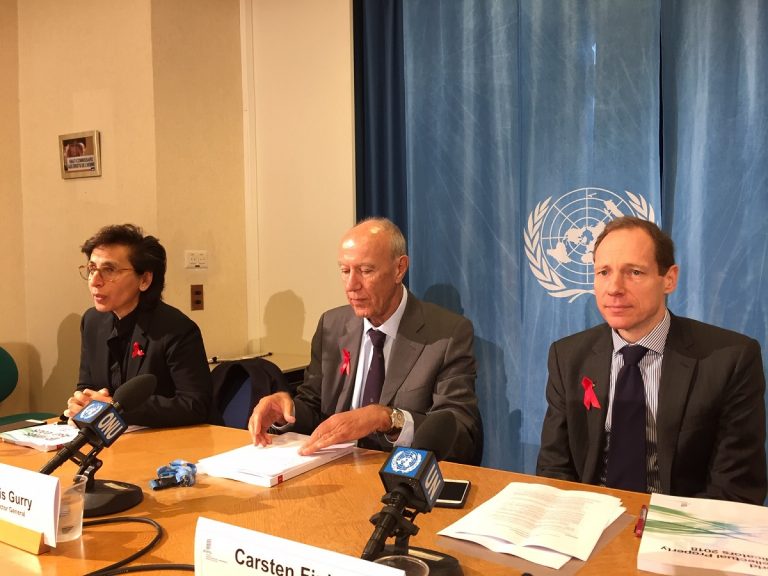
Global intellectual property filing numbers kept rising unabated in 2017, as China continued to pull the numbers upwards. The World Intellectual Property Indicators 2018, published today, also showed what the head of the World Intellectual Property Organization qualified as extraordinary growth in trademark applications. And he remarked on the increasing importance of intellectual property in the contemporary economy.

Conferences On Medicines Patent Information, Patent Office Cooperation, At WIPO This Week

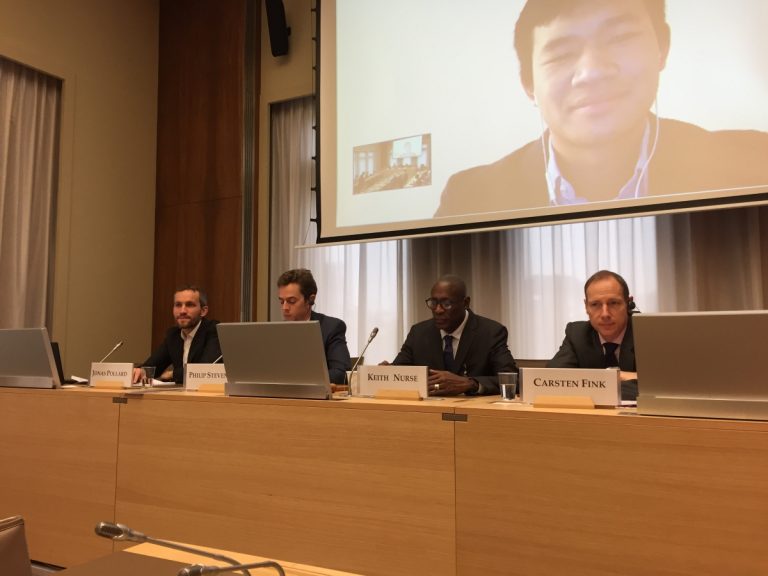
The World Intellectual Property Organization patent law committee meeting this week will convene two half-day conferences, one on cooperation between patent offices, and the other on publicly accessible databases on patent information on medicines and vaccines. Other topics for discussion will be patents and health, confidentiality of communications between patent applicants and their advisors, quality of patents, and the research exception.

Do Patent Trolls Exist? Two Studies Reach Different Conclusions (Part 1)

They are called many things. Patent Assertion Entities (PAEs), Non-Practicing Entities (NPEs), Patent Trolls, and on occasion, names not suitable in polite company. They often are accused of harming innovation and the economy, while providing nothing useful in return. They, less often, are said to promote innovation, in part by helping small inventors monetize their discoveries. Two recent academic studies attempt to shed light on this dispute, but their findings seem contradictory – at least at first.

CBD Negotiating Group Issues Draft Decision On Genetic Resources Data

SHARM EL-SHEIKH, Egypt -- The co-chairs of a contact group working to find consensus language on a decision on genetic resources data issued a new draft this afternoon at the UN Convention on Biological Diversity meetings in Egypt.

Gene Editing: Fears Lead To Call For Moratorium At CBD, Discussions Ongoing

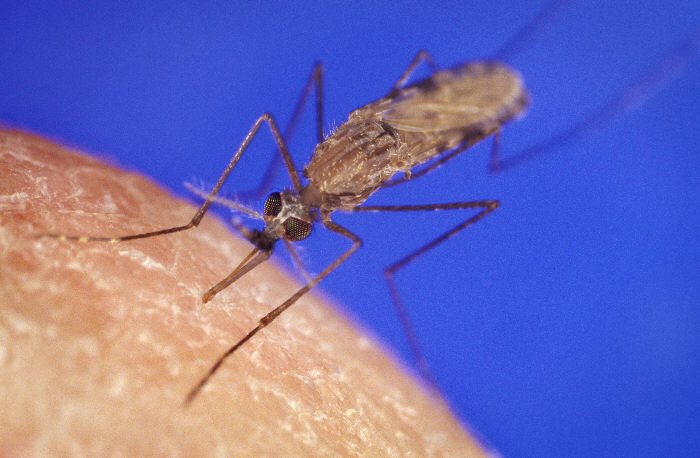
Gene editing techniques have opened the way to a new world of innovations. One of them is the potential eradication of malaria-carrying mosquitoes. What appears as a very attractive way to help with malaria eradication is denounced by civil society groups arguing that the technology is in its infancy. Wiping out entire species could have unforeseen environmental, health, and social consequences, they say. They are calling for a moratorium preventing the release of gene drive organisms in the wild. They also describe the gene drive mosquitoes as a Trojan horse, hiding broader interests of agricultural multinational corporations.

The Bumpy Road To Selection Patents In India

Namrata Chadha, of K&S Partners, a Tier 1 Indian law firm, discusses various crucial aspects relating to patenting of selection inventions in India, especially in pharmaceuticals and chemicals. Summary: The patenting of selection inventions is not plain sailing in India. The patentability of such inventions must be determined in accordance with the general provisions of the Indian Patents Act, as there is no separate provision for the same in the Act. Of the said general provisions, the assessment of inventive step and testing under section 3(d) of the Indian Patents Act can be perceived as the most critical to patentability of selected novel species. Additionally, the concepts of ‘implicit disclosure’ and the contrasting views on ‘coverage vs disclosure’ frequently makes it challenging for applicants to defend their novel selection under the Indian scenario. Given the lack of enough precedents in India on this aspect, to date the fate of selection patents depends mostly on the judgement of the patent controllers. Not all hope is lost, however, since not only the Indian Patent Office, but also the IPAB and higher Courts have time-and-again acknowledged the existence of selection patents in India.

China’s Xi Jinping Signals Higher Focus On IP, Market Opening To Ease US-Sino Tensions, But Global Leadership Friction In Innovation To Persist

SHANGHAI, China -- The President of China, Xi Jinping, in a keynote address on 5 November to political and business leaders attending the opening of the first China International Import Expo (CIIE) in Shanghai sent a strong diplomatic signal that Beijing will push ahead with further opening up of the economy to more international competition. In a move to try and ease US-Sino tensions Xi also indicated China will take proactive steps to boost protection of intellectual property rights (IPRs), including harsher penalties against violators - a major grievance for the United States and the pivotal issue in the escalating trade war between the world's two largest economies.

IP Experts Discuss US Congressional Changes, Prospects For IP Legislation

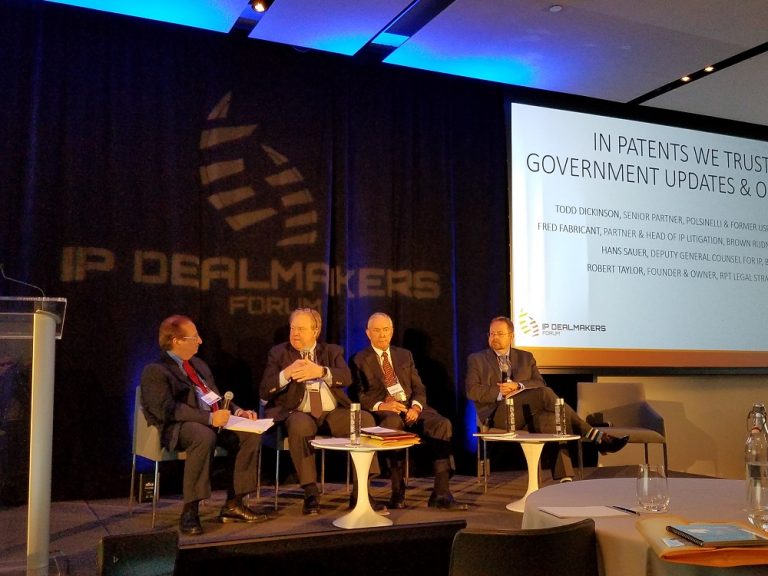
NEW YORK – Major changes are coming to the makeup of the US Congress from the perspective of intellectual property policy, and while it may translate into more patent-friendly officials, the prospect for legislation is uneven, a panel of IP experts told a private sector conference here last week.

WTO TRIPS Council Debates Competition Law, Plain Packaging’s Spread To Other Products

The World Trade Organization intellectual property committee met last week with lively discussions on the benefit of IP rights protection for new businesses, and on the role of competition law to prevent abuses of those rights and in particular ensure greater access to medicines. Also, considering the recent WTO Dispute Settlement Body ruling on the tobacco plain packaging, some countries warned against this decision becoming a precedent and spreading to other goods, and undermining trademark protection.

Intangible Capital Rising, IP Key For Start-Ups, Traditional Growth Model Has To Change, Panellists Say

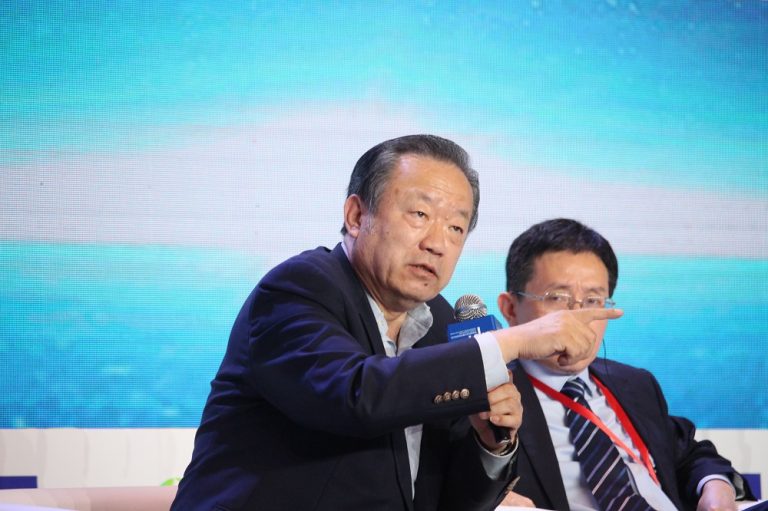
The importance of intangible capital is growing and so is the significance of intellectual property, according to some, and in particular in the new economy. Start-ups see intellectual property as an indispensable tool to attract investors and put their innovations onto the market. Developing countries still mainly stuck in what some call the "commodity trap" have to identify and exploit their intellectual property assets, according to panellists at an event held at the World Trade Organization yesterday.