Category Innovation/ R&D

Microsoft Joins Open Invention Network In A “Nice Validation” Of Open Source Movement

Tech giant Microsoft’s 10 October announcement that it will participate in the Open Invention Network is a “nice validation” of the organisation and a pragmatic acknowledgement that the open source software community is interdependent, CEO Keith Bergelt said in an 11 October interview. Microsoft said its decision to join reflects its changing views on patent practice.

Trade Agreements Making Rules In New Technologies, Territoriality An Issue For IP In Digital Age

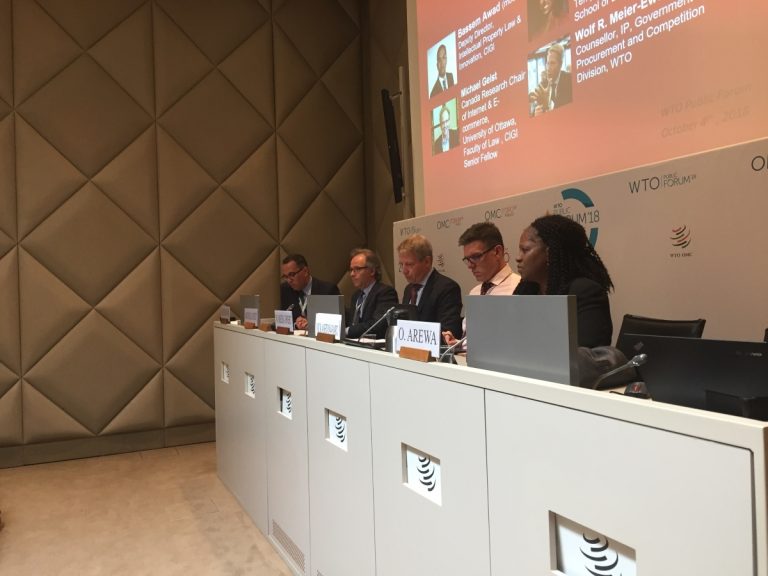
As new technologies have pervaded society, with more to come, policymaking has become a difficult exercise. Rules established before those game-changing technologies might be outdated. A session at the World Trade Organization Public Forum last week looked at how intellectual property rules are faring in the time of digital technologies. Speakers remarked on the role of regional trade agreements in norm-setting, and the growing issue of the territoriality of rights for copyright.

Trade In 2030: WTO Public Forum Opens With Visions For The Future

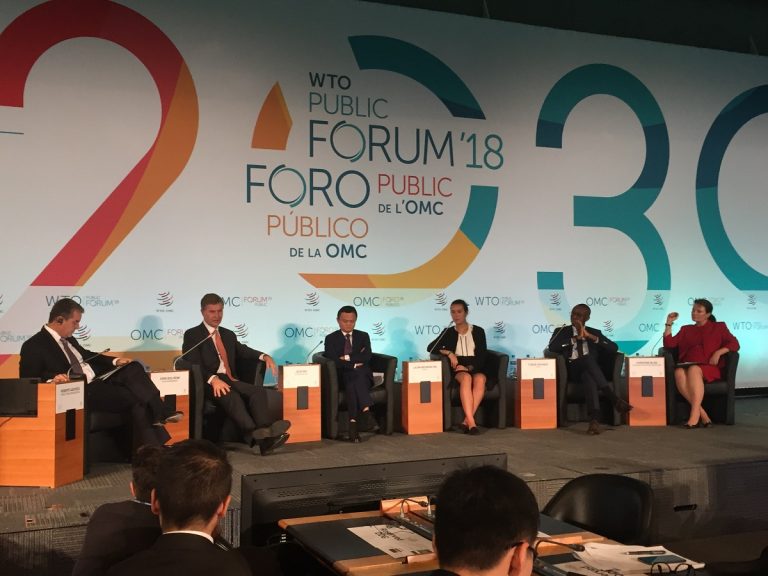
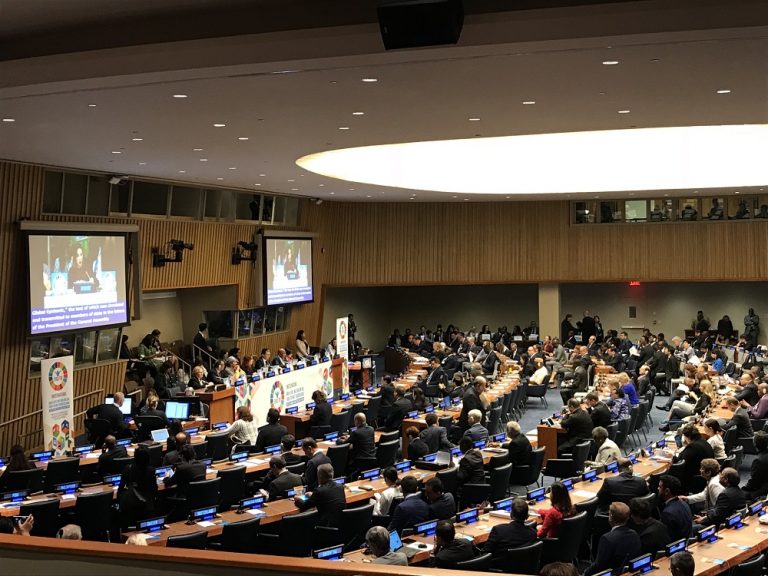
What will trade look like in 2030? This is the topic of the 2018 World Trade Organization Public Forum opening today. During the discussion opening the forum, WTO Director General Roberto Azevêdo said technological evolution cannot be stopped and should be shaped so it can yield the best results. Alibaba founder Jack Ma invited governments to build infrastructure to help ecommerce and stop trying to regulate it.

Interview With Miguel Ángel Margáin, Director General Of The Mexican Institute Of Industrial Property

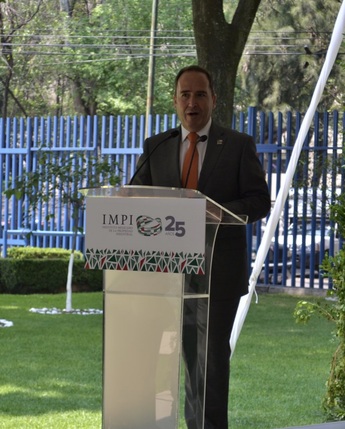
Miguel Ángel Margáin, Director General of the Mexican Institute of Industrial Property, took office in early 2013, and was in Geneva for the annual World Intellectual Property Organization General Assemblies. William New of Intellectual Property Watch sat down with him for an interview. He spoke about achievements of the office during this administration, major amendments to adhere to global treaties and changes in the NAFTA, the introduction of geographical indications, and the ascendance of IP rights in Latin America.

Alternate Dispute Resolution For IP Gains Momentum, Panellists Say At WIPO

Protecting an invention or a creation with intellectual property rights is only truly effective if inventors and creators can enforce those rights. Small and medium sized enterprises find it difficult and costly to go to court to sue potential infringers of their IP rights, and most time, just renounce, according to speakers at a panel on the side of the World Intellectual Property Organization General Assemblies this week. A much cheaper and quicker route than going to court is to seek dispute resolution through a dedicated service, the panellists said.

Interview With The Korea IP Office’s Acting Commissioner

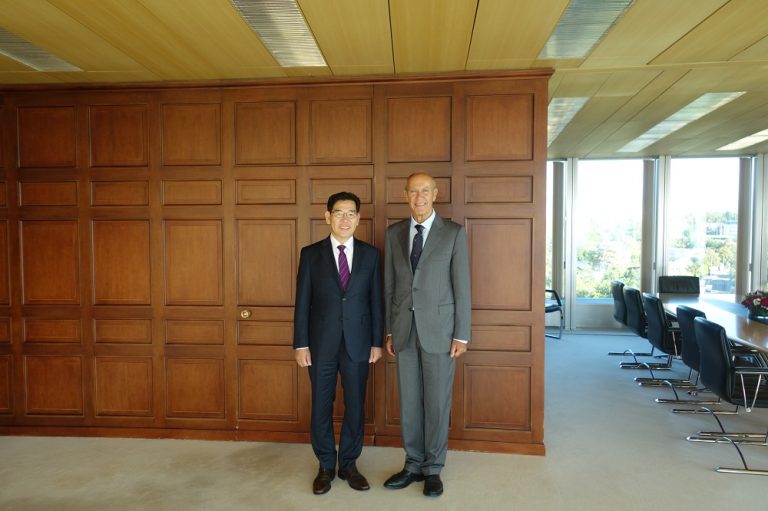
Korean Intellectual Property Office (KIPO) Acting Commissioner Kim Tae Man is attending the annual World Intellectual Property Organization General Assembly this week. In that context, he sat down with Intellectual Property Watch, and in a mutually prepared Q&A, he described some of KIPO’s policies and future plans, collaboration with WIPO, international partnerships, and regional efforts toward global harmonisation.

Why Follow-On Pharmaceutical Innovations Should Be Eligible For Patent Protection

Christopher M. Holman writes: Despite the important role of intellectual property rights in incentivizing innovation, the patenting of pharmaceutical innovation is frequently accused of impeding access to medicine. Criticism of the prevailing patent regime has focused in particular on patents directed towards follow-on pharmaceutical innovation, i.e., innovation that seeks to improve upon existing pharmaceuticals and their use in treating patients. Patents on follow-on innovation are often derided as “secondary” patents, with the implication that the underlying inventions are somehow lesser in nature than the subject matter claimed in “primary” patents, i.e., the drug active ingredient per se. While implicitly acknowledging the legitimacy of primary patents, critics of so-called secondary patents contend that patents on follow-on innovation allow drug innovators to “evergreen” their products, i.e., to extend the period of patent exclusivity beyond the expiration of any original patent on the drug active ingredient, and in doing so contribute to the high cost of drugs, thereby limiting the ability of patients to access the drugs upon which they have come to rely.


WHO Releases Draft Roadmap For Access To Medicines; Comments Show Polarised Views

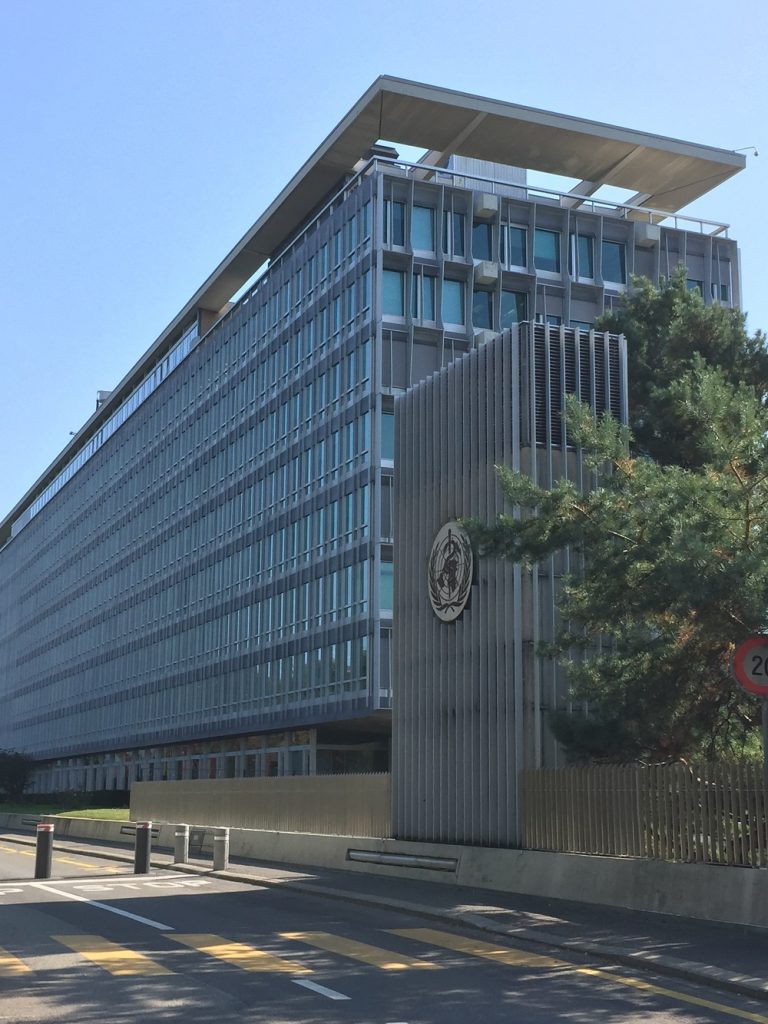
It is now acknowledged by most that the issue of access to medicines is not only a concern for developing and low-income countries, but a global challenge. The World Health Organization was tasked at its last annual assembly in May to draft a roadmap for access for the next five years. A preliminary draft of the roadmap was discussed last week with member states and stakeholders. The roadmap includes 10 priority activity areas, and a number of deliverables.

Brazilian Supreme Court Refuses To Judge Its Biggest Case On IP And Access To Medicines, And Benefits Big Pharma With Undue Monopolies

Marcela Fogaça Vieira and Pedro Villardi write: The Brazilian Supreme Court (STF) has mysteriously cancelled the judgment of the most important case regarding intellectual property and health ever to be decided by the court. On 28 June, the date of the judgment was set for 6 September. The cancellation occurred on the eve of the judgment, something very rare in the practice of the Court. The lack of decision on the case only benefits the transnational companies awarded with hundreds of undue monopolies. Just a few days before, the President of the STF - Judge Carmem Lucia - had a meeting with Interfarma, the association of multinational pharmaceutical companies in Brazil.

Civil Society Pushes EPO To Invalidate Hepatitis C Patent

The European Patent Office is expected to hold oral proceedings later this week on a challenge filed against a Gilead patent on hepatitis C treatment. Invalidation of the patent would open the way to competition and lower prices, according to civil society groups which initiated the challenge. But according to an EPO source, the company is seeking at most an amendment to the patent.