Category IP Law

Record Cybersquatting Cases Filed With WIPO In 2018

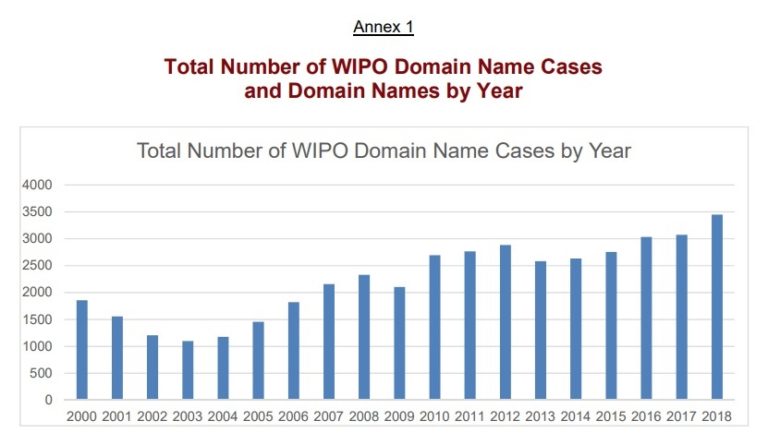
The World Intellectual Property Organization received a record 3,447 domain name dispute cases from trademark owners in 2018 – up 12 percent from the previous year. In addition, there was a 15 percent increase in alternative dispute resolution cases, according to WIPO.

In US, No Remedies For Growing IP Infringements

Ubi Jus Ibi Remedium. Alas, that longstanding legal principle – where there’s a right, there’s a remedy – doesn’t apply to IP owners in the US. Thanks to several Supreme Court rulings interpreting the US Constitution, owners of patents have no recourse when their IP is infringed by US states. Copyright owners now face the same fate, unless the Supreme Court reverses a recent 4th Circuit decision.

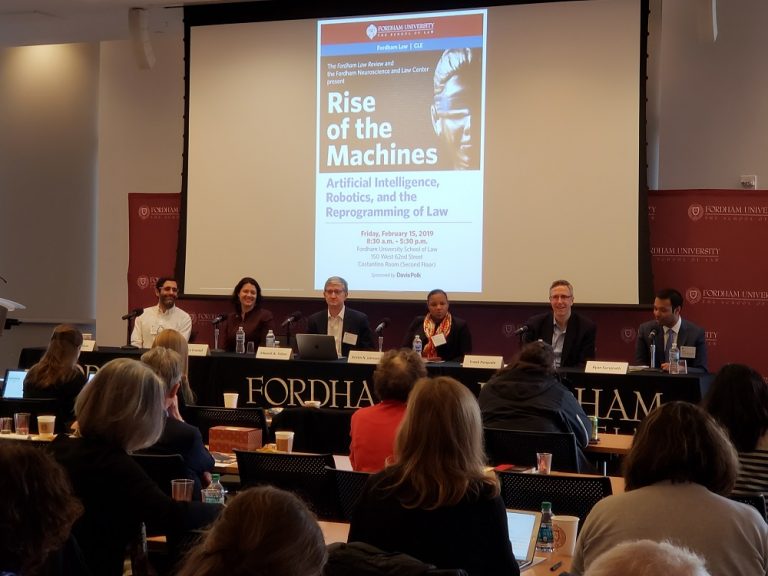
Rise Of The Machines: Experts Look At AI, Robotics And The Law

NEW YORK -- Artificial intelligence, robots, and the law, are all changing a rapid pace. A panel of experts at a recent event at Fordham Law School discussed latest developments and signs of the limits of the law when applied to AI areas like facial recognition, automated weapons systems, and financial technology.

On Eve Of Lego Movie 2 Release, WIPO Acts To Block Pirated Version

As the blockbuster animated movie Lego Movie 2 gets set to hit screens in the United States this weekend, the World Intellectual Property Organization had a release of its own: a domain dispute ruling against a pirate website purporting to offer a free version of the film for download ahead of the release.

US Complaints About Technology Transfer In China: Negotiating The Endgame

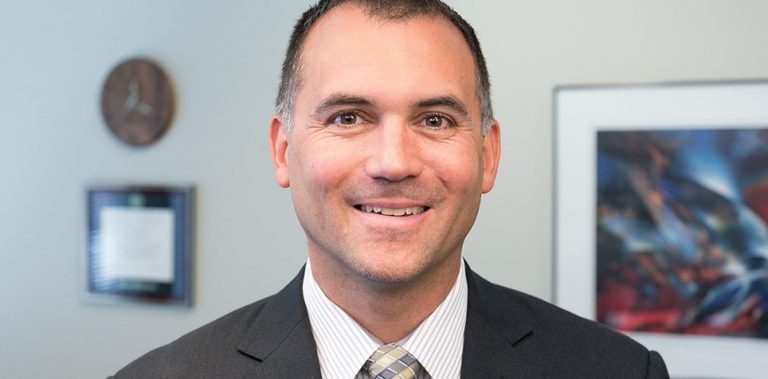
Dean Pinkert writes: The United States Trade Representative (USTR) has been open about its view of the difficulties faced by US companies who claim – generally anonymously – that they have been forced to transfer technology to Chinese entities: “The fact that China systematically implements its technology transfer regime in informal and indirect ways makes it ‘just as effective [as written requirements], but almost impossible to prosecute.’” As I explain in this article, I believe such informality is not merely a barrier to prosecutions; it also presents conceptual challenges for US trade negotiators as they attempt to craft effective means to address the concerns of US companies doing business in China.

What’s The Cost Of Allowing Patent Theft? Don’t Wait To Find Out

Russ Genet writes: Protecting patents can be expensive, especially for companies competing in a global arena where aggressive startups, cut-rate competitors and industrial giants are all vying for the next big innovation to snatch up or move to market. However, failing to protect patents can be equally expensive. It is estimated that patent theft costs the US economy billions each year. And for the corporate patent owner, failing to defend patent rights today can significantly limit their value in the future.

The Bumpy Road To Selection Patents In India

Namrata Chadha, of K&S Partners, a Tier 1 Indian law firm, discusses various crucial aspects relating to patenting of selection inventions in India, especially in pharmaceuticals and chemicals. Summary: The patenting of selection inventions is not plain sailing in India. The patentability of such inventions must be determined in accordance with the general provisions of the Indian Patents Act, as there is no separate provision for the same in the Act. Of the said general provisions, the assessment of inventive step and testing under section 3(d) of the Indian Patents Act can be perceived as the most critical to patentability of selected novel species. Additionally, the concepts of ‘implicit disclosure’ and the contrasting views on ‘coverage vs disclosure’ frequently makes it challenging for applicants to defend their novel selection under the Indian scenario. Given the lack of enough precedents in India on this aspect, to date the fate of selection patents depends mostly on the judgement of the patent controllers. Not all hope is lost, however, since not only the Indian Patent Office, but also the IPAB and higher Courts have time-and-again acknowledged the existence of selection patents in India.

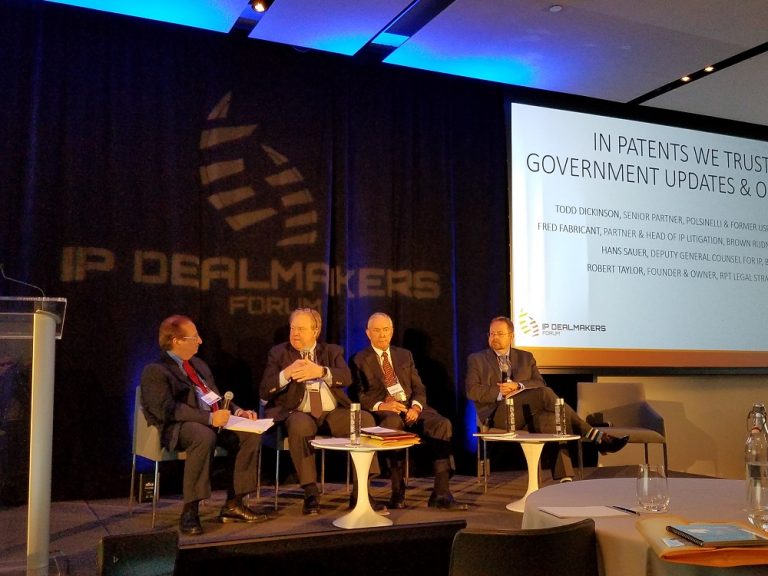
Experts Assess Coming Changes In US Courts And Patentability

NEW YORK -- A panel of legal and government experts this week discussed trends in courts in the United States on patent cases and changes underway at the US Patent and Trademark Office. One conclusion? There may be a real shift in what is seen as patentable in the US, but it may take an act of Congress. [Note: part 1 of 2. The second part will address this week's changes in the US Congress.]

USPTO Solicitor/Deputy General Counsel Leaves For DC Law Firm

Nathan Kelley has stepped down from his role as solicitor and deputy general counsel at the United States Patent and Trademark Office (USPTO) to join the Perkins Coie law firm in Washington, DC. Kelley also had served as chief administrative patent judge in charge of the Patent Trial and Appeal Board (PTAB).