Category Traditional and Indigenous Knowledge

EU Agrees To Accede To Controversial WIPO Agreement Raising GI Protection

European Union member states today agreed to accede to an agreement negotiated under the World Intellectual Property Organization that raises protections for geographical indications, products whose names derive from a particular regions with certain characteristics. Joining the so-called Geneva Act establishes a GI register for agricultural and non-agricultural products and appears to have the effect of requiring EU members to protect registered GIs of other members.

Innovation And Regulation Of Gene-Edited Vegetables: An Interview With IP Lawyer Chris Holly

Chris Holly is a practicing intellectual property lawyer with extensive experience helping clients leverage IP portfolios in the agriculture, food, microbiology and biotechnology industries. Intellectual Property Watch's David Branigan interviewed Holly to gain his perspective on the technological, regulatory and intellectual property considerations of next generation plant breeding techniques, in particular those that involve gene editing using CRISPR technology.

Asian NGOs Raise Concern Over IP And Seeds In RCEP Trade Deal

The Regional Comprehensive Economic Partnership (RCEP) trade agreement under negotiation among Asia and Pacific nations must not include measures that would undercut countries' ability to protect diverse local farming systems and sustainable plant genetic resources for food and agriculture, a range of Asian nongovernmental organisations argue. Groups in India, Malaysia and the Philippines this week specifically called for the RCEP not to include the high-level protections under the International Union for the Protection of New Varieties of Plants (UPOV).

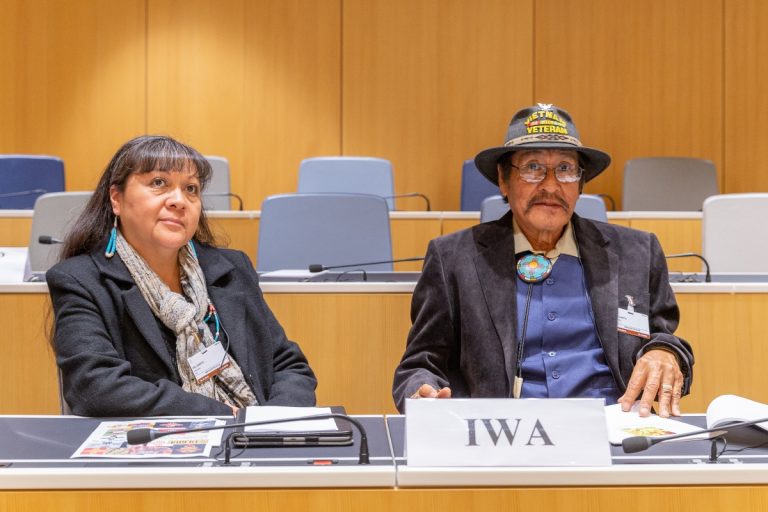
Indigenous IP And Climate Change Subject Of New Book

As this week opened with a meeting of the World Intellectual Property Organization committee working on the protection of genetic resources and traditional knowledge, a new book was released that looks into indigenous rights and indigenous intellectual property, in the context of the Paris Agreement. The book also looks into Tesla’s open innovation strategy.

Traditional Knowledge, Folklore: How To Protect Them From Misappropriation – This Week At WIPO

The ways to protect traditional knowledge and folklore against misuse and misappropriation are under discussion this week at the World Intellectual Property Organization. Member states are trying to find consensus on draft articles of a potential treaty, with a focus on core subjects, such as the scope of protection, and definition. Meanwhile, the fund which allows indigenous peoples to participate in the discussion is depleted, as calls for contributions have remained unanswered and some countries have refused in the past to allow WIPO's ample revenues to pay for them.

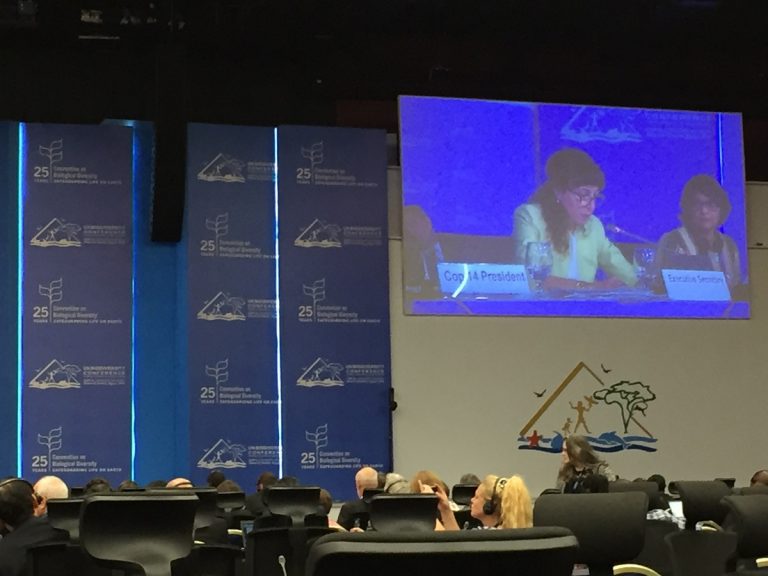
CBD Biennial Meeting Closes With Resolutions On Digital Sequence Data, Conflicts Of Interest, Global Benefit-Sharing

The biennial meeting of the Convention on Biological Diversity and its protocol on access and benefit-sharing closed yesterday with a list of adopted decisions. Among them was a decision to commission several studies on the impact of digital sequence data on the CBD for a recommendation at the next meeting in 2020. Delegates also agreed on a study to examine cases of genetic resources, and traditional knowledge associated with genetic resources, not yet covered by the protocol. Also adopted is the first decision on the management and prevention of conflicts of interest in expert groups.

Economically Sound And Fair Global Genetics Benefit-Sharing System Possible, Panellists Say

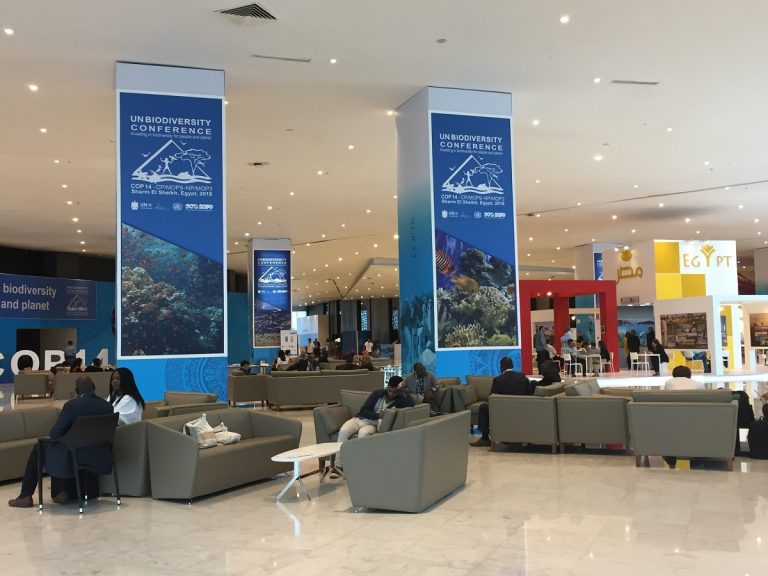
SHARM EL-SHEIKH, Egypt -- UN Convention on Biological Diversity members were trying this week to address questions that were left open when its protocol on access and benefit-sharing was adopted eight years ago. One of them is how to deal with genetic resources which are not yet covered by the protocol. A side event to the biennial conference of CBD members this week presented a solution, which they say could provide a more efficient, cost-effective and fairer system of access and benefit-sharing, based on inventions protected by intellectual property rights.