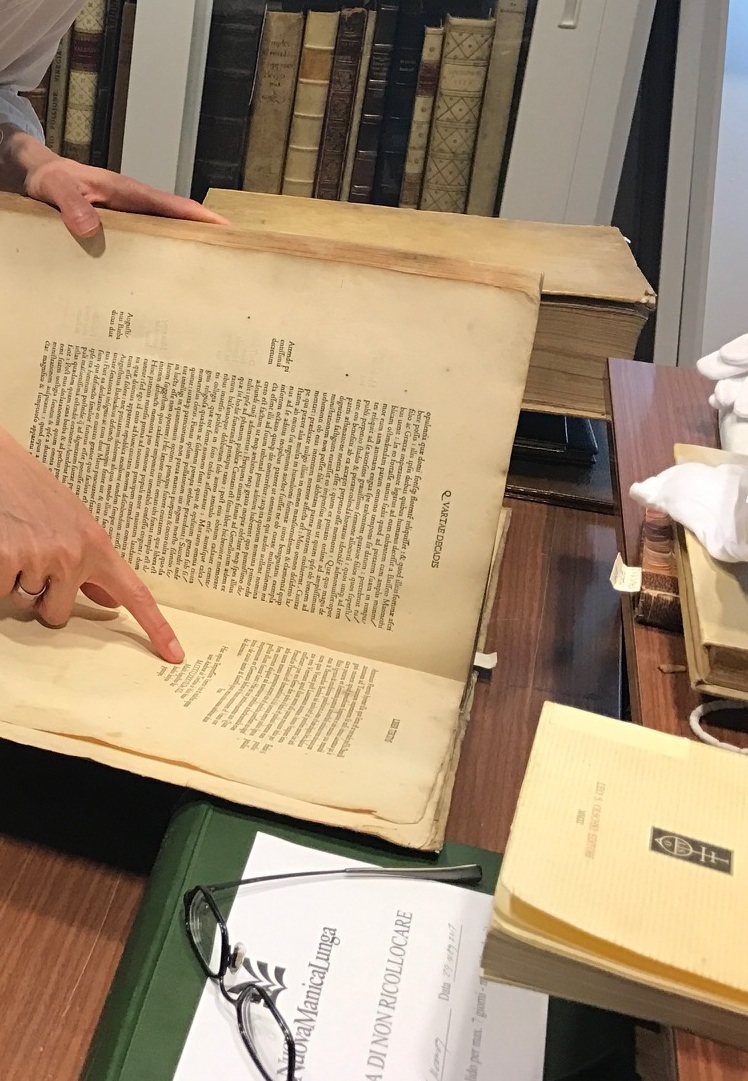
Gavin Keeney writes: As a type of historical morality tale, especially given arguments currently before the European Commission regarding copyright reform and “neighboring rights,” this short treatise addresses the origins of copyright in the Venetian Renaissance in the late 1400s under the aegis of privilegio, notably first granted to authors (author-publishers) versus printers (printer-publishers). Subsequently, printers as publishers would command the lion’s share of such rights to works. Arguably, Venetian privilege transferred the immemorial aspect of written works (here considered “moral rights” for works) to authors in a casual, yet emphatic manner leading to modern copyright. With contemporary copyright nominally belonging to authors, but in fact belonging by expropriation to presses and platforms, it is likely that one of the few solutions, short of benevolent presses fully sharing rights with authors, is for moral rights to return to works by way of the author renouncing copyright but refusing the arrogation of such renounced rights to presses and platforms.