Category Access to Knowledge/ Education

TRIPS Council: Fears That Non-Violation Complaints Could Undercut Flexibilities In IP Trade Rules

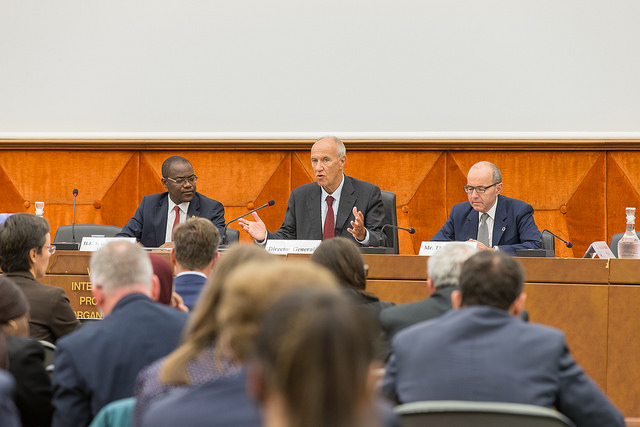
World Trade Organization committee members this week were asked to recommend to the upcoming ministerial conference whether to lift or indefinitely prolong a moratorium shielding intellectual property from complaints between members not involving a breach of a WTO agreement. Short of a consensus, the intellectual property committee will have to reconvene next month to try to find agreement. Separately, a two-year extension was granted to countries not yet having ratified the public health amendment to WTO IP rules.

WIPO-Pharma Patent Database Started With Industry In Early 2017

A newly announced partnership between the UN World Intellectual Property Organization and the international pharmaceutical industry to set up a database of medicines patents announced this month to the surprise of governments and civil society was an idea originally brought to WIPO by a group of companies in February of this year. Now they appear to be encouraging others to join in.

WIPO Faces Resistance To Ensuring Equal Treatment For LGBT Staff

The World Intellectual Property Organization is an international organisation based in Geneva, focused mainly on technical and legal issues of patents, trademarks and the like. But it is also a specialised agency of the United Nations, with over 1,000 employees. At its annual General Assemblies this week, an issue has arisen at WIPO that serves as a reminder of the complexities of UN membership.

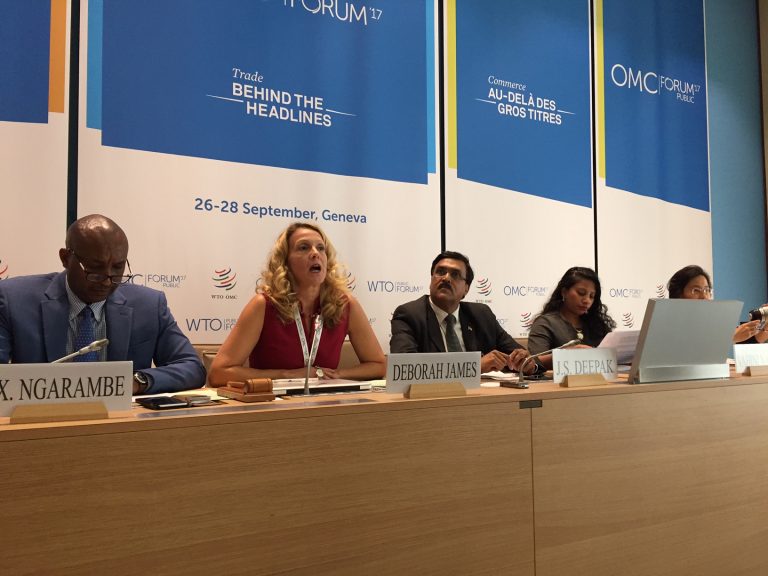
E-Commerce Regulation Needs Harmonisation, Labour Rules Should Be Part Of Trade Laws, Panellists Say

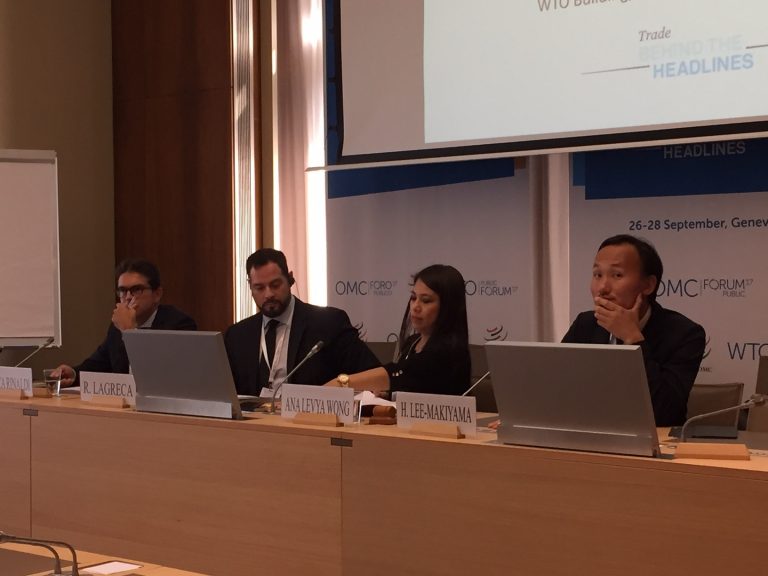
As electronic commerce is on the rise, attempts to regulate it are fragmented and in need of harmonisation, according to a panel at the recent World Trade Organization Public Forum. Intellectual property could be a harmonisation tool and is a market maker, one of the panellists said. Separately, a session looked at the relationship that they said should exist between trade and labour rights, and said the way goods are produced should be taken into account in WTO rules.

CopyCamp Conference Discusses Fallacies Of EU Copyright Reform Amid Ideas For Copy Change

Bugs in the European Union copyright reform were discussed during the 6th edition of the annual Warsaw CopyCamp held last week. Liability of platforms and special intellectual property rights on snippets were the poster child for bad legislation. But the activists, academics and internet companies also expressed concerns over a general backlash on internet openness and internet freedom.

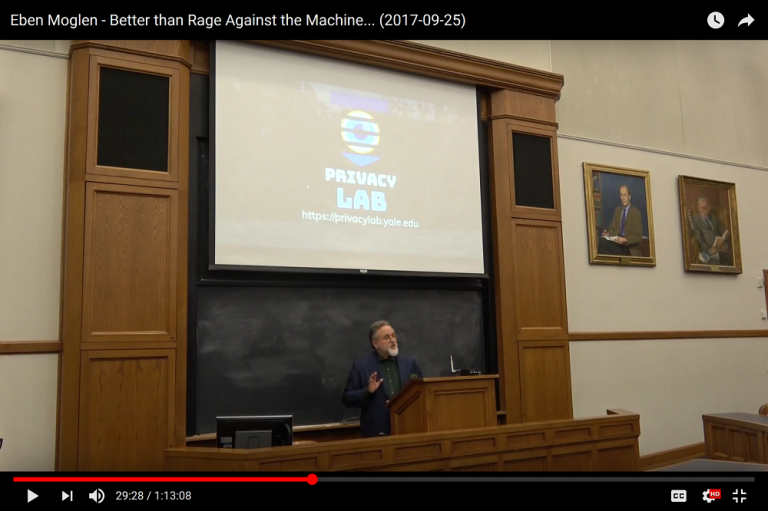
Moglen On Privacy And ‘The Machine’: This Is Not Over Yet

NEW HAVEN -- In an arresting presentation framed in a first-hand account of the creation of the early internet and focused on the hyper-sophisticated sensors we carry everywhere in the form of our smartphone, marking our every behaviour and element of our life for commercial and state use, Free Software legend and privacy advocate Prof. Eben Moglen gave a speech this week at Yale Law School on privacy, the "machine," and the jarring threat humanity is facing. There is at least one sign of hope, he said: the FreedomBox.

E-Commerce: Some Developing Countries Push Back On Idea Of New WTO Rules

While the profile of electronic commerce is rising in diverse international fora, some developing countries are saying they do not want to discuss a new negotiating mandate for e-commerce rules at the World Trade Organization. The current work programme on e-commerce is still adequate, they find, and the WTO Ministerial Conference in December should address more pressing issues, such as agriculture, or completing the Doha Development Round negotiations.

New EU Commission Guidelines On Illegal Content Online Clarify Liability For Online Platforms

The European Commission today issued guidelines for removing illegal content online, largely following the lines of existing rules and guidance, but hinting at a possible future move to harmonise practices in this area. Technology companies breathed in relief as the communication did not appear to reduce their protection against liability for content carried on their networks and devices, though it did provide extensive clarification on the liability exemption.