Category Access to Knowledge/ Education

UN Rapporteur For Privacy Rebuffed On Surveillance Oversight Negotiations

The United States, China and the European Union were unanimous yesterday in their rejection of international consultations for a possible legal instrument on government-led surveillance and privacy. During the 19th meeting of the 37th session of the UN Human Rights Council in Geneva, they called a possible legal instrument against uncontrolled cross-border surveillance proposed by the UN Special Rapporteur on Privacy, Joseph Cannataci, “unnecessary.” But Cannataci responded that the problems cannot be ignored.

Tough Talk On Transatlantic Privacy, Once Again

The EU Commissioner for Justice, Consumers and Gender Equality, Věra Jourová, ahead of her US visit announced “a tough tone” on remaining gaps in the implementation of the privacy shield, the arrangement that allows to transfers of data of EU citizens to the United States. Speaking before the EU Parliament's Committee on Civil Liberties (LIBE), Jourová said while she had heard the privacy shield was not a priority of the US administration, “it will be a priority, if we make clear that we will suspend the system if it doesn't work,” adding, “My patience is coming to an end.”

Protecting And Promoting Copyright Balance In NAFTA

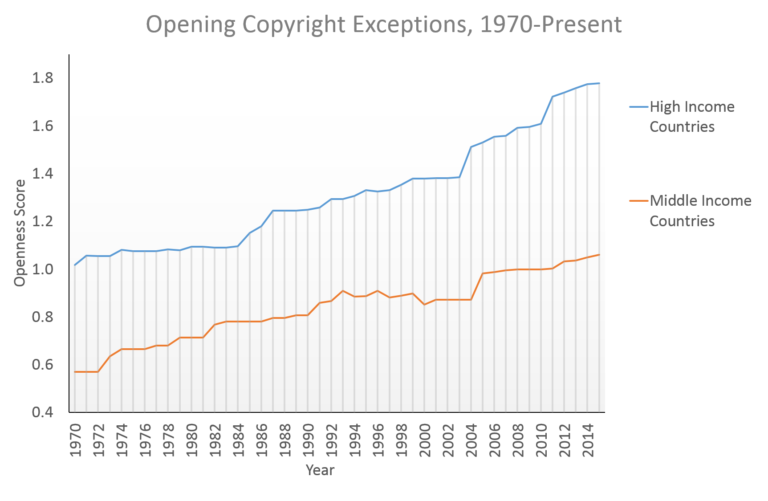
The ongoing NAFTA renegotiation presents a prime opportunity to move the ball on protecting and promoting general public interest copyright exceptions. All three countries have such exceptions to varying degree. And all three are under threat from an agenda to cabin their use through international law. NAFTA negotiators can and should include the best models from prior international agreements that protect and promote the ability of countries to have general exceptions, writes Professor Sean Flynn.

Section 1201 Rulemaking – The Process Is Moving Along

Dave Davis writes: Section 1201 is a curious little section of the US Copyright Act, added by the Digital Millennium Copyright Act (DMCA) of 1998. But the matter covered in that section is of great importance in our digital age and, due to its triennial rulemaking requirement, ‘1201’ exceptions are a topic of considerable discussion every few years. As it turns out, 2018 is one of those years.

WTO, WHO, WIPO Heads Share Views On Innovation And Access At Trilateral Symposium

How to encourage health innovations and make sure that new medicines, vaccines, or diagnostics will reach every person who needs them? That is a question which has been hotly debated in different fora. Yesterday, the World Trade Organization, UN World Health Organization, and UN World Intellectual Property Organization jointly held a symposium on how innovative technologies can promote the United Nations Sustainable Development Goals. The WHO director general called on his colleagues to support policies facilitating access to health technologies.

Swiss Panel Looks At Value-Based Drug Pricing, Link Between R&D And Prices

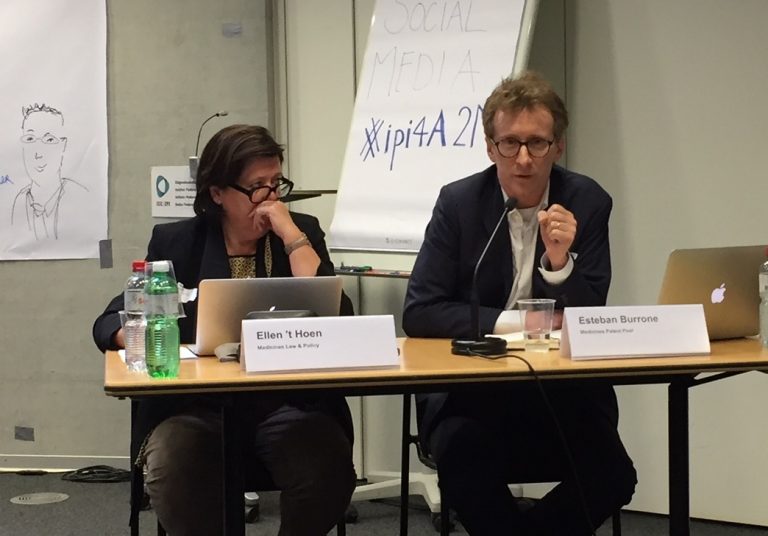
Some products are too cheap, generic drug companies do not invest in them because they do not make enough money out of them. Others seem astronomically expensive, and are said to include the costs of all research, successes and failures alike. Panellists at a recent Swiss-organised expert event in Bern concurred that something must done about pricing, and explored some surprising ways to do it.

Rising Patent Applications – And Challenges – For New Technologies, Artificial Intelligence

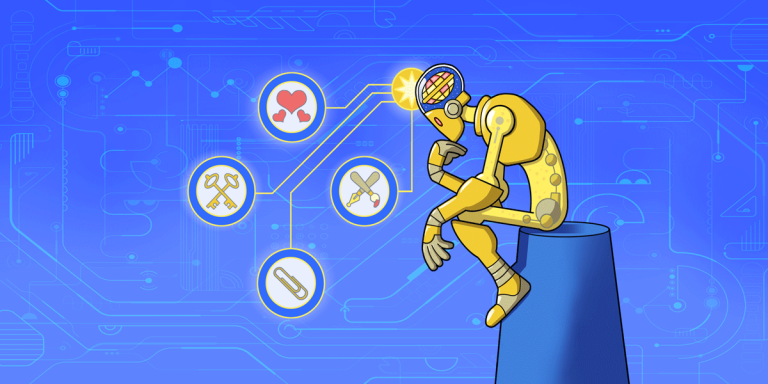
The steady increase in innovations relating to new digital technologies, in particular technologies using artificial intelligence, is matched by an upward patenting trend. The European Patent Office recently issued a study on the subject and is preparing a conference in May, while the World Intellectual Property Organization is working on its own in-depth study. However, the current patent system might not be ready for artificial intelligence-related inventions, according to a global standards-setting body.

Patenting Artificial Intelligence Might Hamper Progress, EFF Says

The Electronic Frontier Foundation launched a project last year to measure progress in artificial intelligence innovations and understand the legal, political, and technical issues potentially raised by those inventions. Some eight months later, the project has tracked rapid progress of those technologies, in particular in machine learning. According to the foundation, patents might be hampering the progress of artificial intelligence, and with the risk of patent trolls claiming rights on patents on machine learning systems.