Category Access to Knowledge/ Education

Julia Reda-Led Panel Discussion Reveals – Publishers’ Right Faces High Resistance From Academic Circles

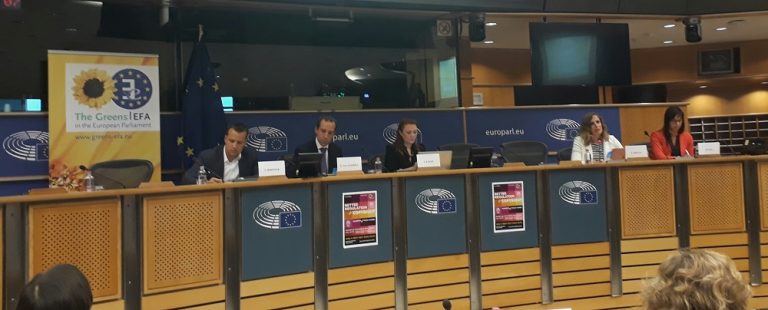
The Greens/EFA Group in the European Parliament organised last autumn the panel discussion titled, “Better Regulation for Copyright: Academics Meet Policy Makers” in Brussels. This is an initiative that together with a recently published study questions whether national and EU neighbouring rights for publishers are actually lawful. The article below gives an overview of the panel discussion and movements that followed in the legislative process in Brussels, with a special focus on the press publishers right, writes Ines Duhanic.

Libraries – A Trio Of European Court Rulings

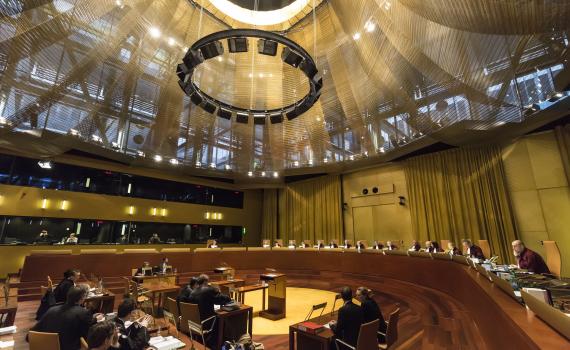
In recent years, the Court of Justice of the European Union (CJEU), Europe’s highest court, has made three important rulings concerning digital library activities in Europe, Vincent Bonnet and Barbara Stratton write on the EIFL blog.

Year Ahead: US Music Sector Calls For Major Legislative Changes To Copyright In 2018

The music community is ramping up its efforts to have significant new copyright legislation approved by United States Congress in 2018, amid key changes in the legislative apparatus, with the elevation of Rep. Jerold Nadler (D-New York) as the Ranking Member of the House Judiciary Committee, a pivotal role that puts him at the heart of the US legislative system, and the retirement of the Committee's current Chairman, Bob Goodlatte (R-Virginia), at the end of the year.

Top IP-Watch Stories Of 2017: What Do They Tell Us About Multilateral IP Policy?

What IP-Watch stories were readers reading most in 2017, and what does it say about the state of global intellectual property policy? In this article, we look at the most-trafficked stories of last year, and make a few assumptions. Asia, Europe, trade, health. These were the top targets of interest to readers among our offerings. Interestingly, despite all the sound and fury in Washington, our coverage there was not at the top of the list. Even more interestingly, neither was our extensive and world-leading coverage of the World Intellectual Property Organization.

What Could Have Entered The Public Domain On January 1, 2018?

Current US law extends copyright for 70 years after the date of the author's death, and corporate “works-for-hire” are copyrighted for 95 years after publication. But prior to the 1976 Copyright Act (which became effective in 1978), the maximum copyright term was 56 years—an initial term of 28 years, renewable for another 28 years. Under those laws, works published in 1961 would enter the public domain on January 1, 2018, where they would be “free as the air to common use.” Under current copyright law, we’ll have to wait until 2057.1 And no published works will enter our public domain until 2019. The laws in other countries are different—thousands of works are entering the public domain in Canada and the EU on January 1, writes the Duke University Center for the Study of the Public Domain.

Internet Governance Forum – An Encyclopaedic Endeavour

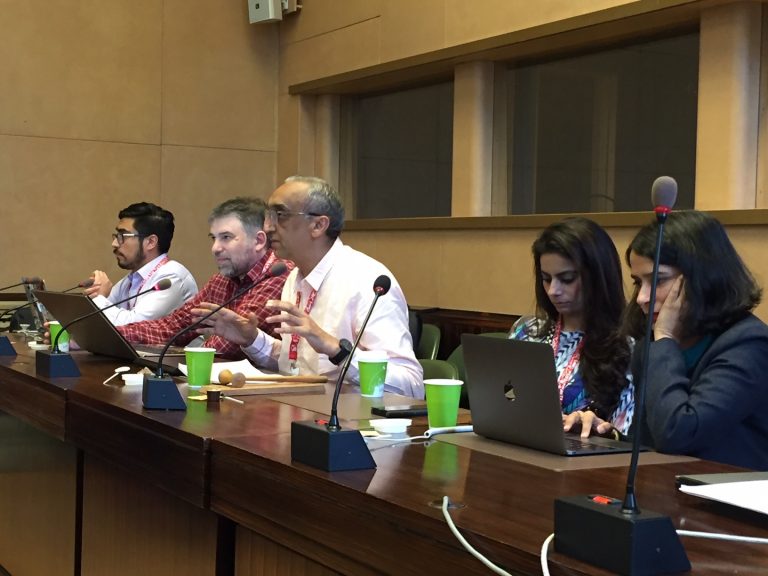
The 12th Internet Governance Forum has closed its doors and sent home the last of the more than 2,000 die-hard internet governance adepts from 142 countries who stayed until a mere three days before Christmas in the halls of the United Nations in Geneva. Asking the adepts and the critics about what has changed in the forum that started because governments just could not agree on how critical internet infrastructures should be managed during the 2005 UN World Summit on Information Society, the first answer always is just “big”.

With originally 3,000 registered, it is the biggest international internet politics conference. But “big” is not only the size of the meeting, it is also the number of workshops, panels, best practice forums and bi-, pluri- and (nearly) multi-lateral meetings taking place over the five days. So this year Intellectual Property Watch, having participated substantively all week, decided to make an encyclopaedic endeavour to bring you the first IGF dictionary (or to make a dictionary about that encyclopaedic endeavour) in an effort to give credit to the richness of the forum, but highlight some problems, too.

In Break From Past Leadership Role, US Gov Largely Missing From Internet Governance Forum

The United States has been a steadfast supporter of the UN-led Internet Governance Forum since its inception over a decade ago, regularly bringing large and high-level delegations to the Forum. The US must have seen the forum as the lesser evil when governments from many continents pounded the desks during the 2005 World Summit on the Information Society (WSIS) conference in Tunis over the US special role in overseeing the Internet Corporation for Assigned Names and Numbers (ICANN) and thereby the heart of the domain name system, the root zone. But IGF 2017, held this week, saw a dramatic change in that regard.

Friends, Foes Of Big Data Discuss Its Promise For Development, Privacy Issues

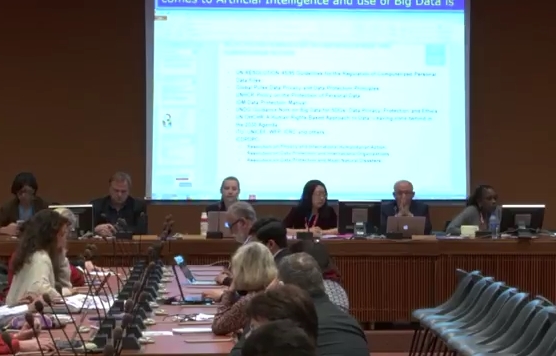
Big data and artificial intelligence hold promise for achieving the United Nations Sustainable Development Goals, but risks associated with extensive data collection should not be minimised, according to speakers at this week’s Internet Governance Forum. Of particular concern: privacy issues, the digital divide, the need for raising awareness of internet users, and current or upcoming legislation and guidelines seeking to address challenges associated with big data.

Artificial Intelligence Is Changing Societies, But What Cost To Social Justice? Transparency Is Key

The desire of countries to hop on the train of artificial intelligence and get a piece of the pie might be contrary to democracy, according to a speaker at this week’s Internet Governance Forum. Even though artificial intelligence has the potential to improve lives around the globe, the challenges that come with it are complex and difficult to address, said the speakers.

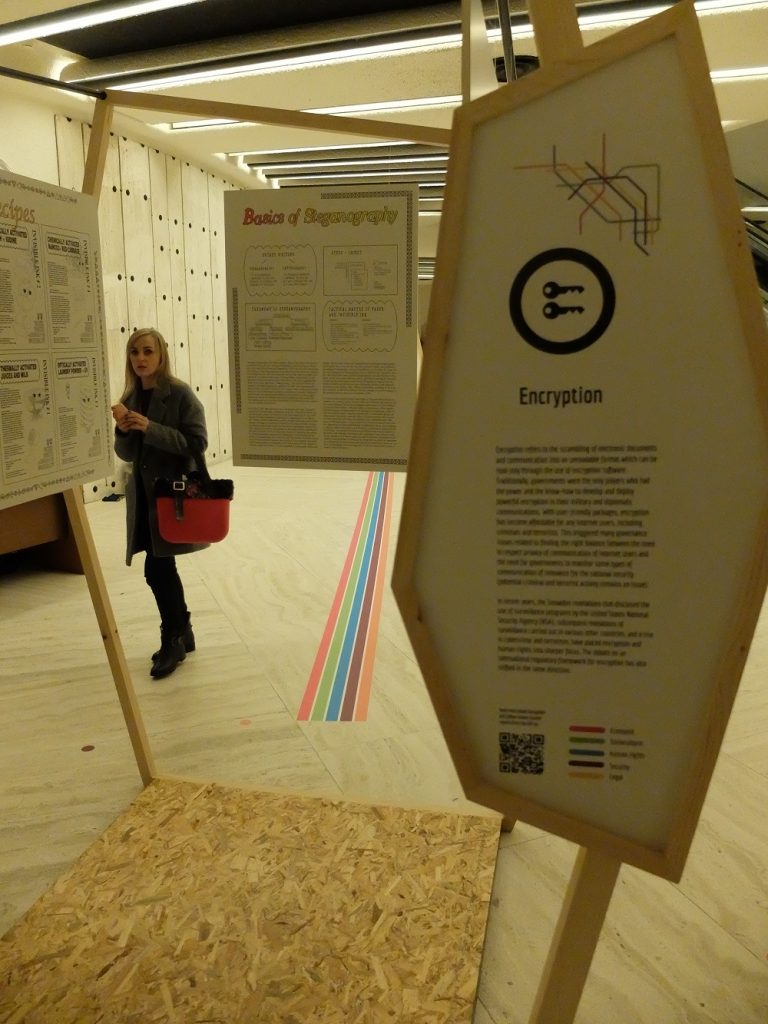
State Hacking An Option To Overcome Encryption, IGF Hears

The days of unfettered access to internet content are over, Riana Pfefferkorn of the Stanford Center for Internet and Society told government representatives during a panel dedicated to state interference in encryption, organised by Brazil's registry Nic.br and CGI.br at the 12th Internet Governance Forum this week in Geneva. “Governments have to adapt,” the cryptography researcher said. A concern is, though, that governments will adapt by either lashing out to get backdoors in code, weaken encryption or legalize state hacking.