Category Innovation/ R&D

Heads Of State At Davos’ Door: Trump, Modi, Macron, May
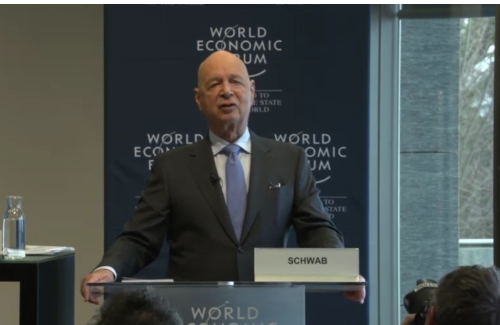
The World Economic Forum is meeting next week in Davos, with Indian Prime Minister Narenda Modi opening the forum, and US President Donald Trump closing it. One of the focuses of the annual meeting will be on finding ways to reaffirm international cooperation on common challenges, such as the environment and the global economy.
Guide To The WHO Executive Board: Access To Medicines, Noncommunicable Diseases, Non-State Actors

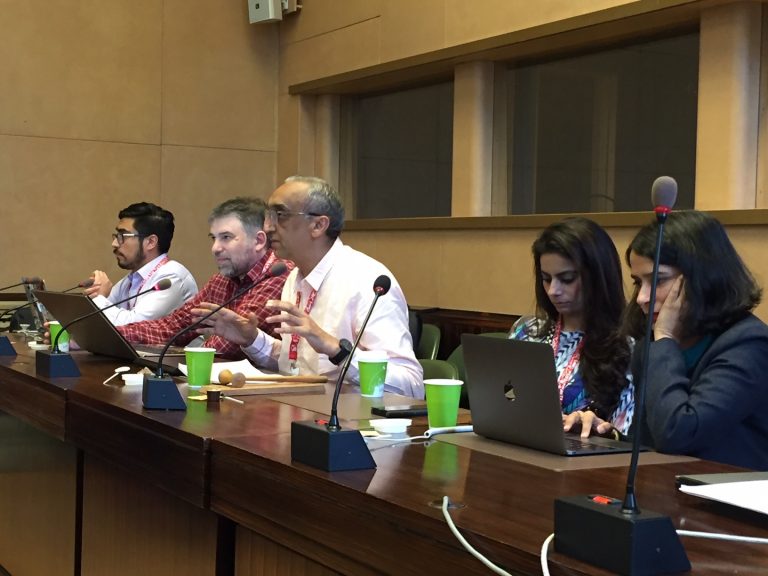
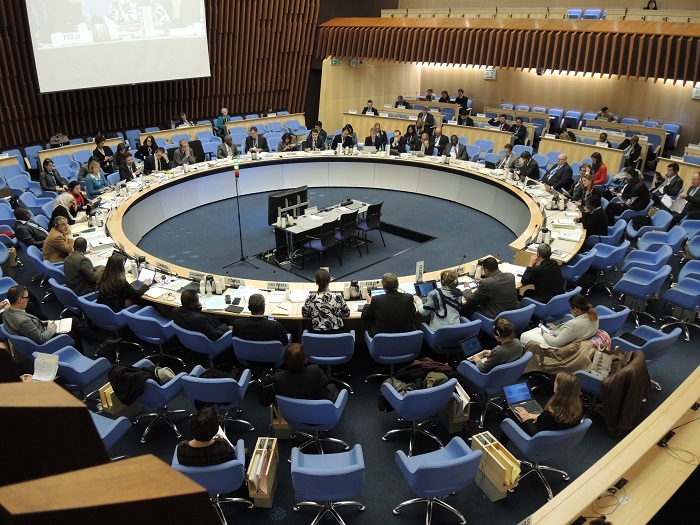
The World Health Organization Executive Board meets next week. On the agenda are recommendations of a review group on the WHO Global Strategy on Public Health, Innovation and Intellectual Property, and WHO proposed actions to increase access to affordable and safe medicines and diagnosis. The Executive Board is also expected to consider a report on noncommunicable diseases, new possible organisations to enter into official relationships with WHO, and how to address the global burden of snakebites, including access to treatment.

Blockchain-Related Patents On Exponential Rise, Lawyer Says. Targets? China, US, UK

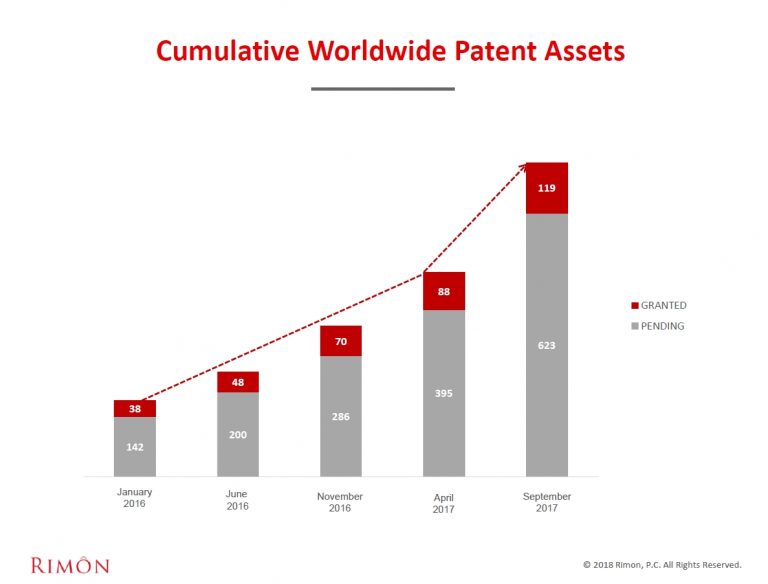
Patent applications related to blockchain technology are rising at exponential rate, according to a presentation given yesterday by a partner at United States law firm Rimon. Inventors are seeking intellectual property protection, bringing challenges into the blockchain ecosystem, such as infringement and patent trolls. He called for industry collaboration on IP, and the possibility of patent pools.

Artificial Intelligence Holds Enticing Promise, Needs Framework, Say OECD, Microsoft, IEEE

As artificial intelligence technology spreads its wings, governance issues are emerging, as are international discussions, including a range of activities planned for 2018. One of the panels of the December Internet Governance Forum in Geneva explored the policy questions, as panellists said artificial intelligence is unabatedly spreading to many areas of our lives with promises of economic growth and benefits, but with few regulations to frame it. Issues include ethics, privacy, biases, and lack of transparency.

Top IP-Watch Stories Of 2017: What Do They Tell Us About Multilateral IP Policy?

What IP-Watch stories were readers reading most in 2017, and what does it say about the state of global intellectual property policy? In this article, we look at the most-trafficked stories of last year, and make a few assumptions. Asia, Europe, trade, health. These were the top targets of interest to readers among our offerings. Interestingly, despite all the sound and fury in Washington, our coverage there was not at the top of the list. Even more interestingly, neither was our extensive and world-leading coverage of the World Intellectual Property Organization.

South Africa’s Push For Knowledge-Based Economy Through IP

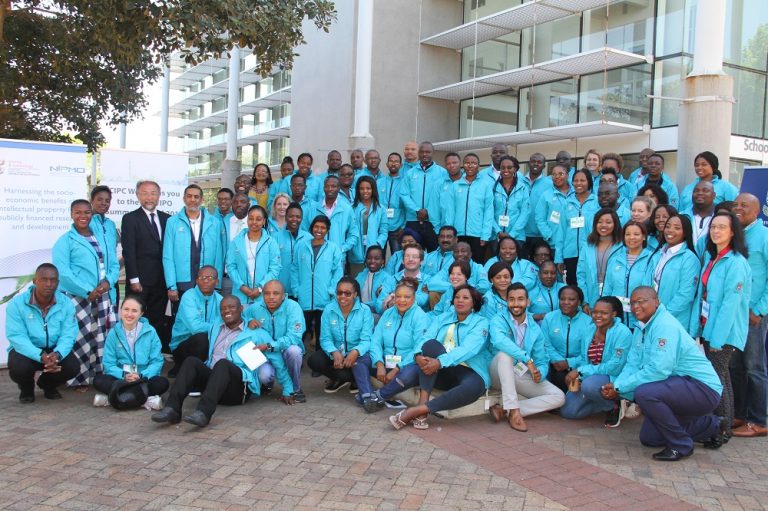
CAPE TOWN, South Africa – “If you want to create a knowledge-based economy and be part of it, be players not observers. There isn’t a stronger backbone than having an understanding of what IP is.” This statement was made by Mmboneni Muofhe, Department of Science and Technology (DST) deputy director general for technology and innovation, at the ninth Intellectual Property Summer School held at the University of the Western Cape (UWC) in December. The meeting brought together students, lawyers, scientists and different professionals drawn from Africa and other parts of the developing world for a ten-day intensive programme in intellectual property.

Artificial Intelligence Is Changing Societies, But What Cost To Social Justice? Transparency Is Key

The desire of countries to hop on the train of artificial intelligence and get a piece of the pie might be contrary to democracy, according to a speaker at this week’s Internet Governance Forum. Even though artificial intelligence has the potential to improve lives around the globe, the challenges that come with it are complex and difficult to address, said the speakers.

A Canadian Billionaire’s Mysterious Death And The Effect On Access To Medicines

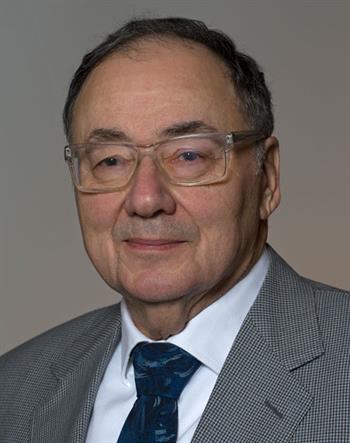
The mysterious death last week of Canadian billionaire Barry Sherman and his wife has raised many questions. For some, one question is what impact it will have on pharmaceutical competition in Canada, as his giant generic medicines company Apotex was seen as making a mark in access to medicines. It was also recalled that the company is the only one to have used an obscure provision of a World Trade Organization intellectual property agreement aimed at making more affordable medicines available in least developed countries.

WIPO Patent Law Committee Agrees On Future Work, Stays On Safe Path

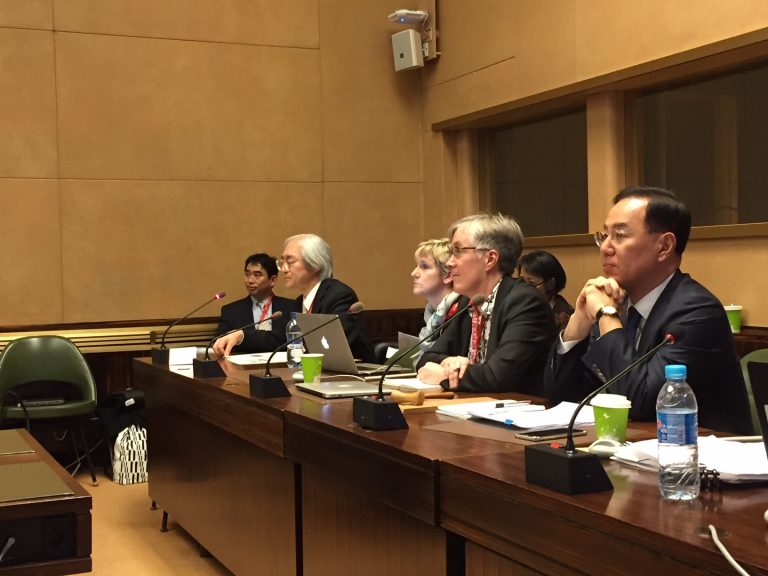
The mood was conciliatory this week at the World Intellectual Property Organization patent law committee as delegates mainly shared experiences and heard presentations. The five topics composing the work of the committee, which had been carefully negotiated in the summer and reflecting a “delicate balance” of interest between countries, will be pursued at the next session. Among them are the topics of patents and health, technology transfer, and the quality of patents.