Category Contributors

The Future Of The Ideas Business – The Rise Of Data-Driven Invention

New ideas are getting harder to find, and with less ideas there is a decline in organisational productivity and economic growth. This isn’t new, nor is the fact that to counterbalance the decline in idea generation, research and development have received and continue to require heavy investment. But with daily news of innovation centres opening up across the globe, the question remains whether initiatives like open innovation, crowdsourcing, or simply putting more scientific brains together will do this investment justice.

Last month, leading representatives of the IP, R&D and technology arenas met in Switzerland to discuss a technology-based alternative to human only idea generation. Hosted by data-driven invention company Iprova, the 2nd Data-Driven Invention Forum saw attendees from companies, such as Panasonic, Philips and DuPont as well as many other global organisations explore the future of innovation and the role data-driven invention plays in it. Here are some of the conclusions of the conference.


Albania Introduces New Trademark Regulation

A new trademark regulation entered into force in Albania on June 7, 2018, clarifying a range of issues raised by the changes to the Albanian Industrial Property Law in force as of March 24, 2017. Some of the most significant changes and clarifications concern the following:

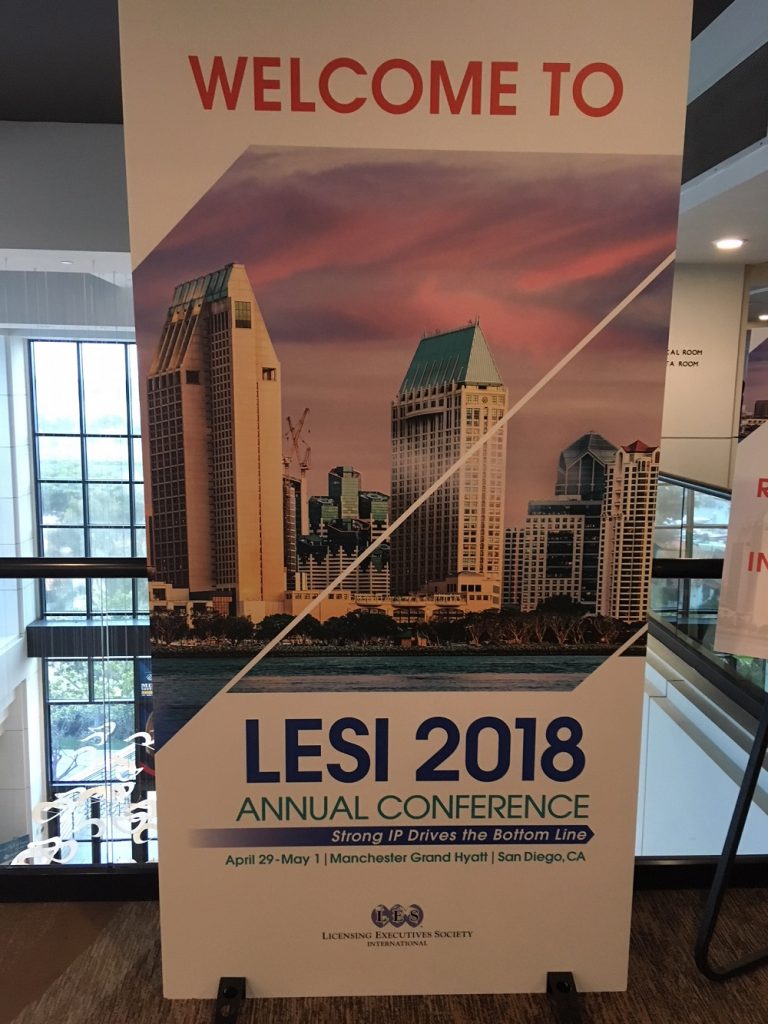
What You Can Learn From The Licensing Execs At The LESI Annual Conference 2018

“Strong IP Drives the Bottom Line”: Licensing executives, technology transfer officers and attorneys from all over the world met under this theme at the annual conference of the Licensing Executives Society International (LESI) in San Diego from April 30 to May 1, 2018.

Each year, the LESI annual conference brings together the strategists, pioneers and deal makers of the world to exchange about the hot topics in licensing, technology transfer and the business of IP. Bastian July of GoodIP reports on what you can learn from the keynote speeches and workshops he attended.

JPO Refused To Register Wordmark “ROMEO GIGLI” Due To Lack Of Consent From Italian Fashion Designer

In a recent decision, the Appeal Board of Japan Patent Office (JPO) refused to register trademark application no. 2015- 100245 for a red-colored word mark “ROMEO GIGLI” in gothic script (see below) designating goods of Class 24 and 25 on the grounds that applicant failed to obtain a consent from Italian fashion designer, Romeo Gigli, based on Article 4(1)(viii) of the Trademark Law, writes Masaki Mikami.

Japan Patent Office Invalidates The Word Mark “Bord’or” In Relation To Bordeaux Wines

In a decision in an invalidation trial jointly claimed by INSTITUT NATIONAL DE L’ORIGINE ET DE LA QUALITE and CONSEIL INTERPROFESSIONNEL DU VIN DE BORDEAUX, the Invalidation Board of Japan Patent Office (JPO) ordered the invalidation of trademark registration no. 5737079 for a word mark “Bord’or” in script fonts (see below) in violation of Article 4(1)(vii) of the Trademark Law, writes Masaki Mikami.

South Africa’s Push For Knowledge-Based Economy Through IP

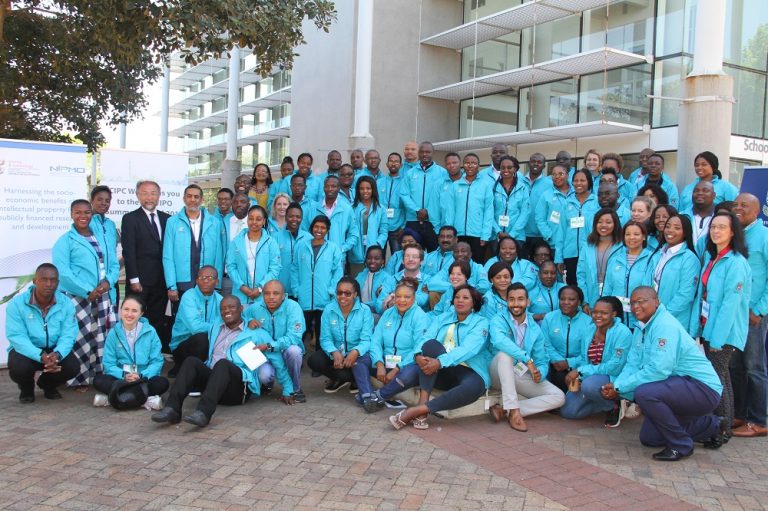
CAPE TOWN, South Africa – “If you want to create a knowledge-based economy and be part of it, be players not observers. There isn’t a stronger backbone than having an understanding of what IP is.” This statement was made by Mmboneni Muofhe, Department of Science and Technology (DST) deputy director general for technology and innovation, at the ninth Intellectual Property Summer School held at the University of the Western Cape (UWC) in December. The meeting brought together students, lawyers, scientists and different professionals drawn from Africa and other parts of the developing world for a ten-day intensive programme in intellectual property.

Expert Panel Recommends That The WHO Move Forward On Transparency And Delinkage

On Monday, 27 November, the WHO published the recommendations of the overall programme review of the global strategy and plan of action on public, health innovation and intellectual property (EB142/14). The expert panel provided 33 recommendations which included 17 forward looking”high-priority actions” including on transparency and delinkage, writes Thiru Balasubramaniam.