Category Innovation/ R&D

Top IP-Watch Stories Of 2017: What Do They Tell Us About Multilateral IP Policy?

What IP-Watch stories were readers reading most in 2017, and what does it say about the state of global intellectual property policy? In this article, we look at the most-trafficked stories of last year, and make a few assumptions. Asia, Europe, trade, health. These were the top targets of interest to readers among our offerings. Interestingly, despite all the sound and fury in Washington, our coverage there was not at the top of the list. Even more interestingly, neither was our extensive and world-leading coverage of the World Intellectual Property Organization.

South Africa’s Push For Knowledge-Based Economy Through IP

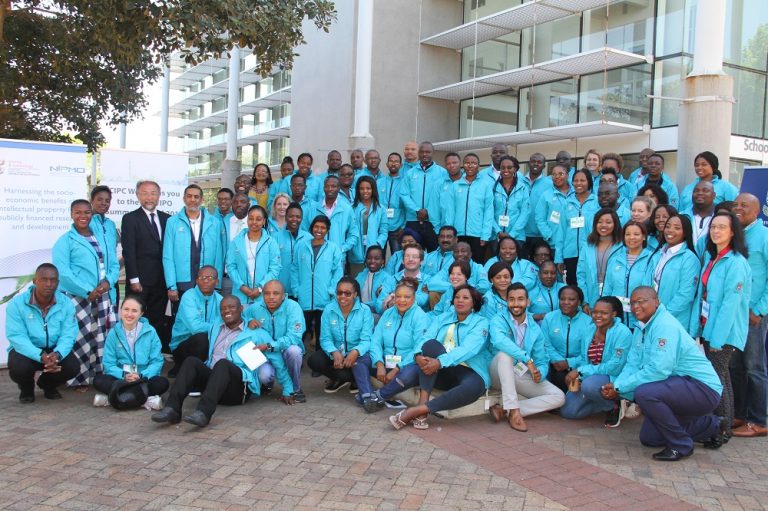
CAPE TOWN, South Africa – “If you want to create a knowledge-based economy and be part of it, be players not observers. There isn’t a stronger backbone than having an understanding of what IP is.” This statement was made by Mmboneni Muofhe, Department of Science and Technology (DST) deputy director general for technology and innovation, at the ninth Intellectual Property Summer School held at the University of the Western Cape (UWC) in December. The meeting brought together students, lawyers, scientists and different professionals drawn from Africa and other parts of the developing world for a ten-day intensive programme in intellectual property.

Artificial Intelligence Is Changing Societies, But What Cost To Social Justice? Transparency Is Key

The desire of countries to hop on the train of artificial intelligence and get a piece of the pie might be contrary to democracy, according to a speaker at this week’s Internet Governance Forum. Even though artificial intelligence has the potential to improve lives around the globe, the challenges that come with it are complex and difficult to address, said the speakers.

A Canadian Billionaire’s Mysterious Death And The Effect On Access To Medicines

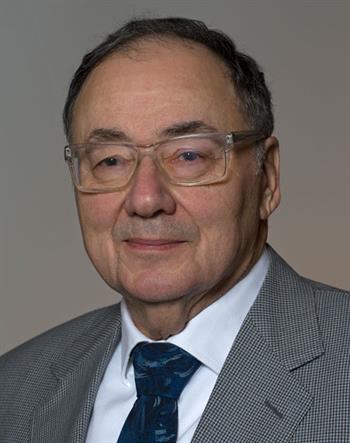
The mysterious death last week of Canadian billionaire Barry Sherman and his wife has raised many questions. For some, one question is what impact it will have on pharmaceutical competition in Canada, as his giant generic medicines company Apotex was seen as making a mark in access to medicines. It was also recalled that the company is the only one to have used an obscure provision of a World Trade Organization intellectual property agreement aimed at making more affordable medicines available in least developed countries.

WIPO Patent Law Committee Agrees On Future Work, Stays On Safe Path

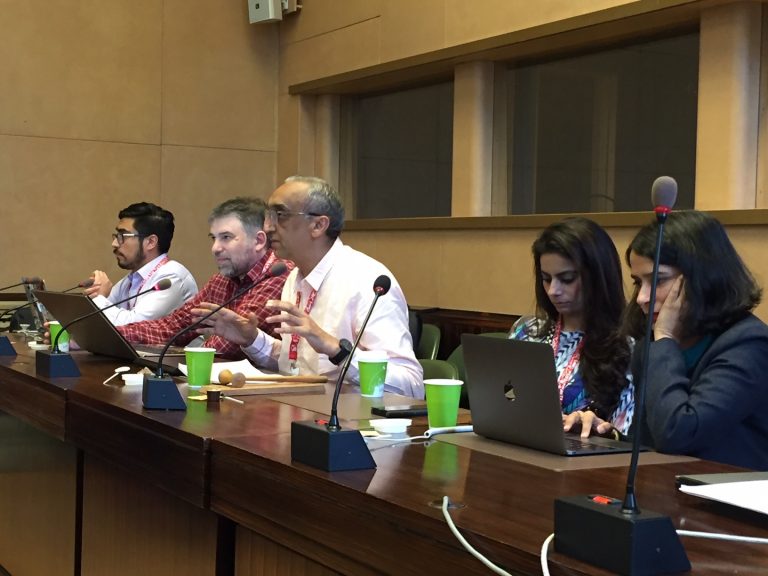
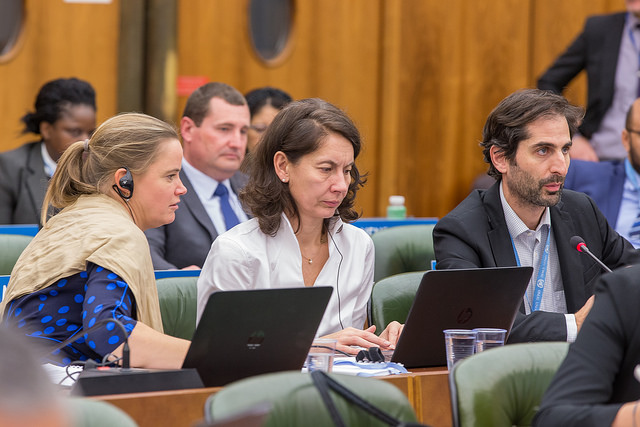
The mood was conciliatory this week at the World Intellectual Property Organization patent law committee as delegates mainly shared experiences and heard presentations. The five topics composing the work of the committee, which had been carefully negotiated in the summer and reflecting a “delicate balance” of interest between countries, will be pursued at the next session. Among them are the topics of patents and health, technology transfer, and the quality of patents.

Intellectual Property Rights In Trade – To Be Rethought?

After two decades of intellectual property regimes in trade agreements, one could have some second thoughts, according to a number of panellists at the Trade and Sustainable Development Symposium, organised by the International Centre for Trade and Sustainable Development (ICTSD) and held alongside the 11th World Trade Organization Ministerial in Buenos Aires, Argentina this week.

Obviousness In The Wake Of Arendi

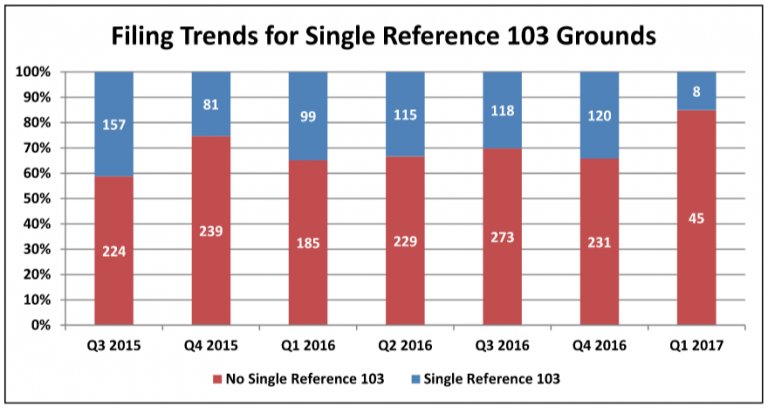
Since the U.S. Court of Appeals for the Federal Circuit issued its opinion in Arendi S.A.R.L. v. Apple Inc. last August,[1] many patent commentators have asserted that the decision marked a significant change in the analysis of obviousness under 35 U.S.C. § 103, especially as a weakening of single-reference obviousness grounds. Notwithstanding this decision, petitioners and the Patent Trial and Appeal Board have continued to rely on single-reference obviousness to assert and find that claims are obvious, write Amy Simpson and Kyle Canavera.

WIPO Delegates Told Patent Information Essential, Given Revealing Data On Medicines Access and Trade

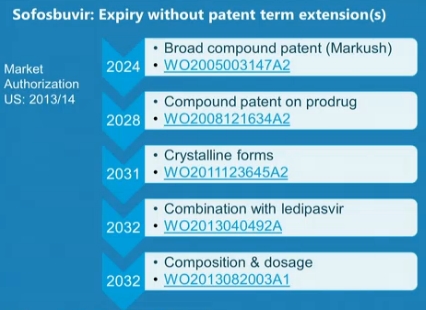
World Intellectual Property Organization patent law committee delegates heard a number of presentations this week on the relationship between patents and health, and access to medicines. The importance of patent information and accurate, up-to-date databases was underlined, particularly for procurement. The weight of intellectual property rights on the issue of access to medicines and prices and generic market entry was pointed out, but so were other factors, such as the small percentage of new drugs with added benefit, tariffs, and trade delays.

G-Finder Report: Global Funding For R&D In Neglected Diseases Increasing, Overreliance On US Funding Dangerous

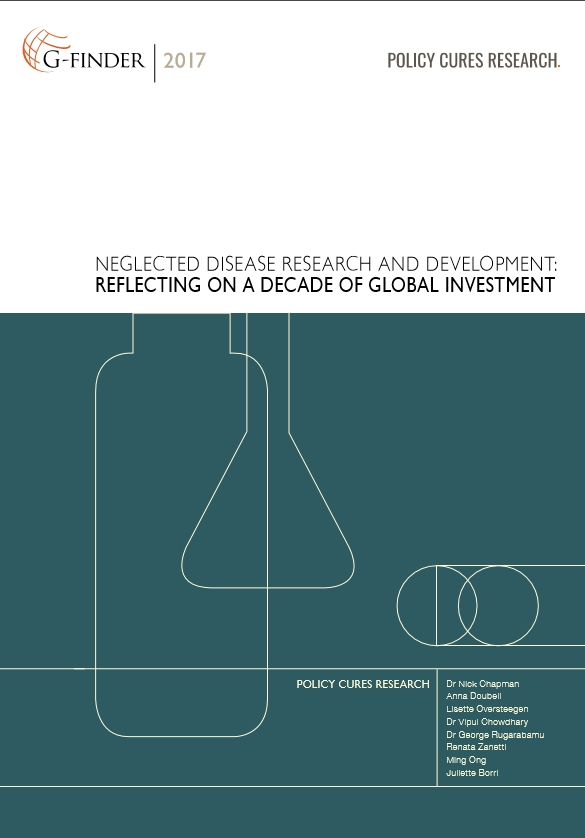
A report released today on global funding of research and development for neglected diseases found that global funding has increased but warns that overreliance on funding from the United States, which the report says is "unparalleled," and leads to a heavy concentration of global funding on HIV/AIDS, malaria and tuberculosis. This overreliance could also lead to change in total global funding, the report found.

Patents And Health Under Discussion At WIPO This Week: What Role For The UN IP Agency?

Patents are often involved in public health policy discussions, and are considered by some as playing a major role in the escalating prices of new medicines, creating access issues. The World Intellectual Property Organization committee on patent law this week is discussing the issue and is holding information sessions by the Medicines Patent Pool, World Health Organization, and the World Trade Organization.

Medicines Patent Pool Expands Its Patent Database To Cancer Treatments

The Medicines Patent Pool (MPP) announced today that MedsPaL, its database of information on the patent and licensing status of selected HIV, hepatitis C, and tuberculosis medicines, now extends to patented treatments on the World Health Organization Model List of Essential Medicines. New patents data include medicines for leukaemia, breast cancer and other cancer indications.