Category Access to Knowledge/ Education

European Libraries’ Five Principles For Open Access Negotiations With Publishers

European research libraries have issued five principles for libraries to use when holding open access negotiations with publishers, seeking to prevent over-charging and promote transparency and sustainable access.

Key IP Delegates In Geneva – Fully Updated!

Geneva, Switzerland is the gathering point for the world's governments to set international policy and practices relating to intellectual property rights, as they cut across many of the public policy issues of the day (eg innovation, trade, internet, health, food), including at the World Intellectual Property Organization, World Trade Organization and World Health Organization. Everyone has a stake in what governments and their stakeholders do in these venues. But who do you talk to in order to get your message through? Now Intellectual Property Watch has fully updated its unique list of the diplomats representing many of the key nations in those institutions in Geneva. Available here for subscribers only!

Between Human Rights And IP: An Interview With Laurence Helfer, Co-Author Of Guide To Marrakesh Treaty Implementation

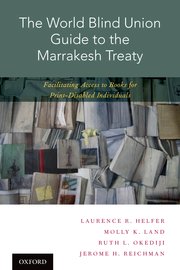
When in 2013, in Marrakesh, Morocco, a new World Intellectual Property Organization treaty establishing exceptions and limitations for people with visual impairment was adopted, it was hailed by some as a miracle. Entered into force in 2016, the way states implement the treaty is of major importance for the World Blind Union (WBU) so that the treaty serves its purpose to expand access to books for visually impaired people. Laurence Helfer is co-author of a Guide: The World Blind Union Guide to the Marrakesh Treaty: Facilitating Access to Books for Print-Disabled Individuals. Alongside the recent session of the United Nations Committee on the Rights of Persons with Disabilities, he sat down with Intellectual Property Watch Senior Writer Catherine Saez to explain the main aims and messages of the Guide.

New Guide Shows How Best To Implement Marrakesh Treaty So Books Are Accessible To Visually Impaired

The World Blind Union (WBU) has recently issued a guide to the World Intellectual Property Organization treaty providing copyright exceptions for visually impaired people. If the treaty was hailed by all, the way it is implemented could be a gamechanger, and the WBU provides advice to all stakeholders, and in particular governments, so that the treaty is interpreted and implemented to the best interest of the visually impaired. The union also warns against the implementation of two optional provisions, which they say could run counter to the aims of the treaty.

Law Enforcement, Industry Hold Event Against IP Crime At UN

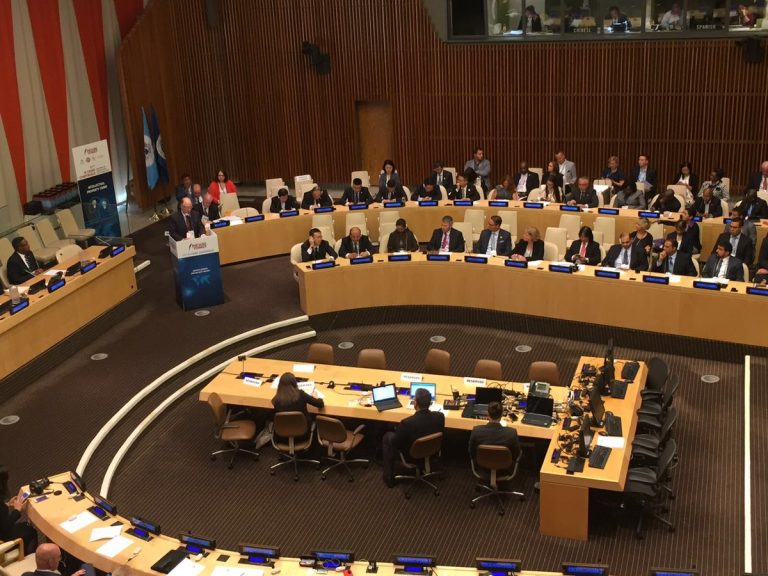
NEW YORK – An event of international law enforcement, security experts and industry this week at the United Nations headquarters in New York aimed at building strategies against a wide range of intellectual property crime worldwide. At the event, a senior United States official discussed plans to expand a program of US IP experts abroad.

Deadline Next Week For Swedish Sida Training On Genetic Resources And IP Regulation

Applications are due by 4 September for an all-expenses-paid Swedish International Development Cooperation Agency (Sida) Advanced International Training Programme aimed at building capacity in intellectual property and genetic resources in support of innovation.

The Dilemma Of Fair Use And Expressive Machine Learning: An Interview With Ben Sobel

Intellectual Property Watch recently conducted an interview with Ben Sobel, law and technology researcher, teacher, and fellow at Harvard University's Berkman Klein Center for Internet and Society. Sobel has focused his research on copyright and the fair use doctrine, in particular in the context of artificial intelligence (AI). Below, he shares his views on expressive machine learning, “the fair use dilemma” and “Big Content versus Little Users”. The most pressing copyright question has to do with AI readers, not AI authors, according to Sobel.

Information, Access, And Development: Setting A Course For The Sustainable Development Goals

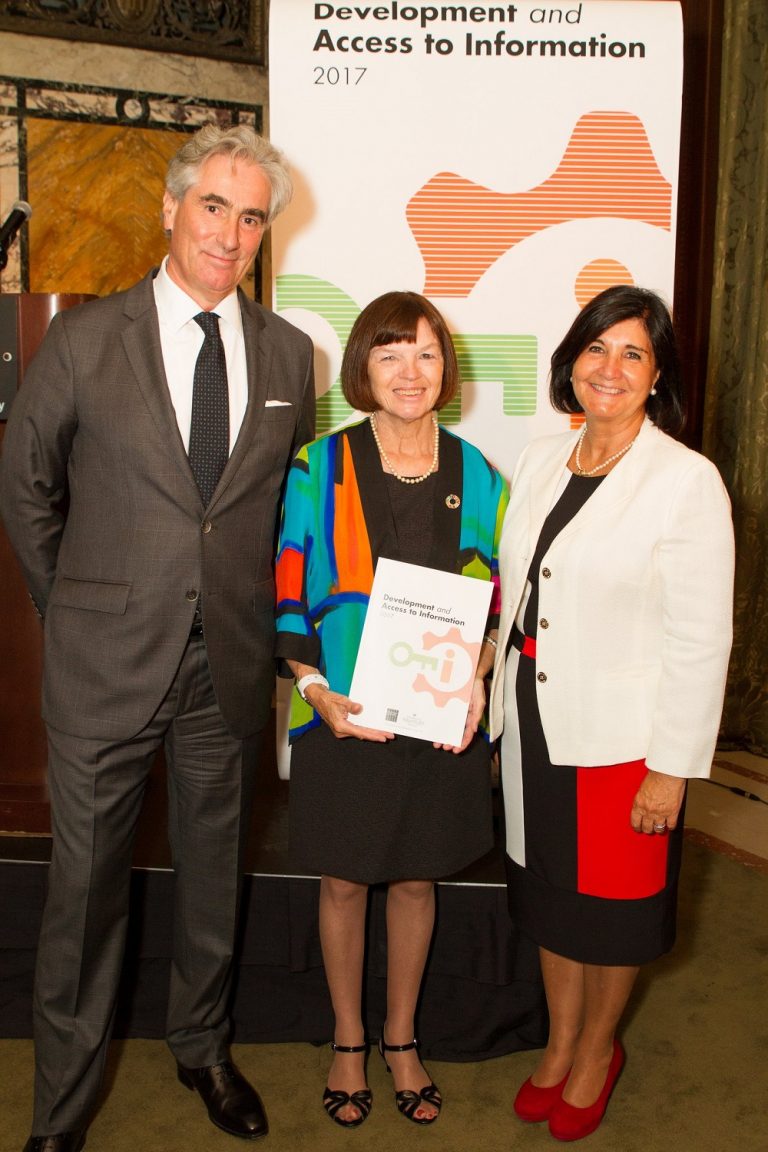
Gerald Leitner writes: Information is the raw material for decision-making. When individuals and groups make the right choices, based on good information, their chances of taking a full role in economic, social, cultural and civic life improve. They can better create and innovate, participate in politics, find and do their jobs well, and live healthily.

Informed citizens and communities are also essential to the UN’s 2030 Agenda. We cannot have sustainable development when individuals are not able to deal with new choices and challenges autonomously, drawing on access to information. And we cannot have inclusive development, with no-one left behind, unless this access is real and meaningful for everyone.

Libraries have long sought to do this, making sure that the world’s heritage is preserved and made accessible, allowing the sharing of knowledge between institutions and across borders, and giving children, families, students and others the chance to enjoy works which they could never afford to pay for individually.


Why Fair Dealing Is Not Destroying Canada Publishing

For the past few years, publishers around the world have engaged in a sustained campaign to hold up Canada as proof that making fair dealing more flexible for education will hurt publishers. Those efforts rarely tell the whole story: that paid access remains the primary source of materials in Canada, that educational copyright policies in Canada are primarily a function of court decisions not copyright reform (the emphasis on fair dealing came before the 2012 reforms), that global publishers were reporting marketplace challenges that have nothing to do with copyright, that Canadian publishers that supposedly stopped publishing were still in business, that court affidavits from Canadian publishers focus on many concerns other than copyright, and that a study from one Canadian publisher association highlighted issues such as open access and used book sales. University of Ottawa law professor Michael Geist expands on the reality of Canadian publishing and copyright law.

Intermediaries Could Be Made Liable In EU Copyright Legislation

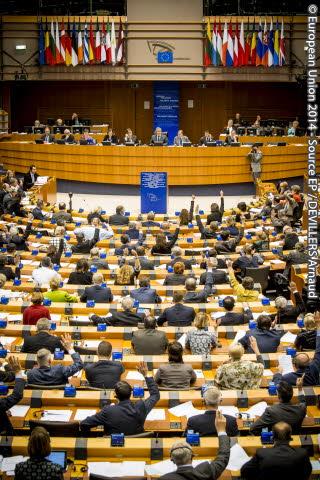
Positions on the new draft European Union Copyright Directive lie so far apart in the European Parliament that compromise before an expected October vote seems nearly impossible. Critics of a new special copyright for press publishers - and of a radical change towards holding internet intermediaries liable for what their users upload - were highly alarmed by this week’s developments in Brussels.