Category Access to Knowledge/ Education

Remote Sensing And (Geo-) ICTs, Prime Tools To Achieve SDGs, WSIS Forum Hears

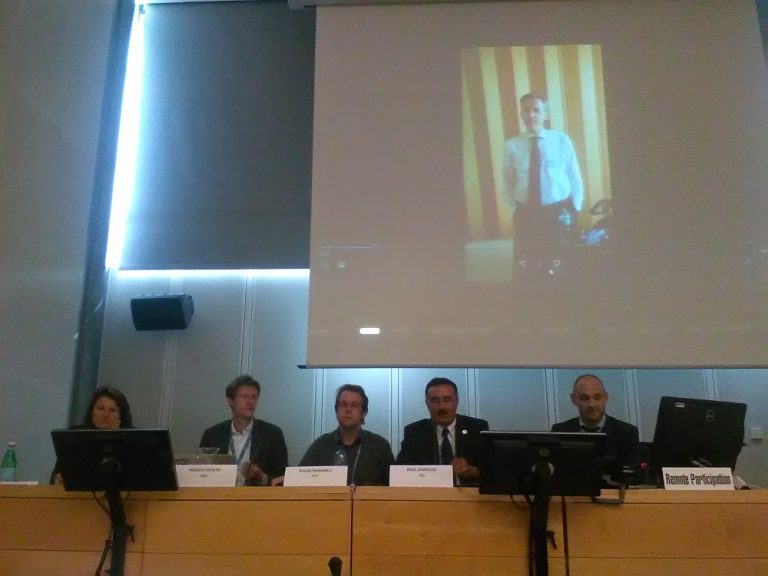
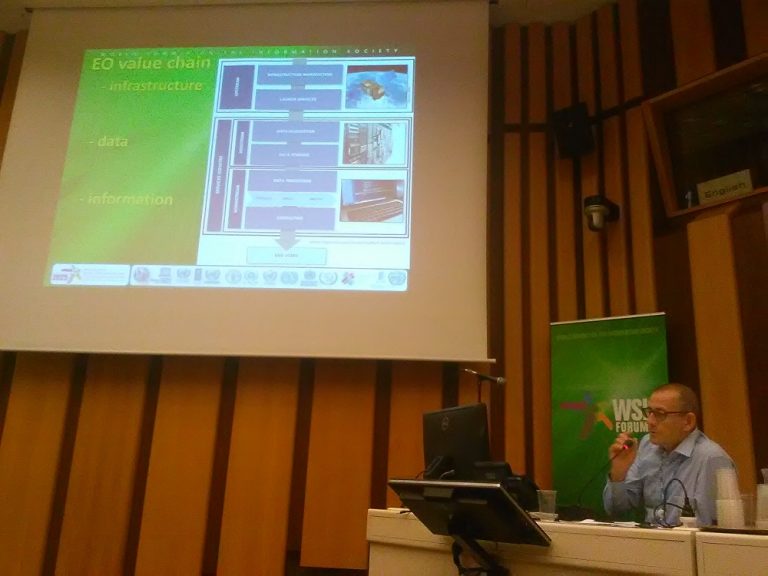
Remote sensing and geo-ICT are prime technological tools to achieve the United Nations Sustainable Development Goals (SDGs) by 2030, according to VITO, the Flemish Institute for Technological Research. But technology should not be considered as “deus ex machina,” a speaker added during the recent World Summit on the Information Society Forum (the WSIS Forum 2017).
Open Access Policy In International Organisations

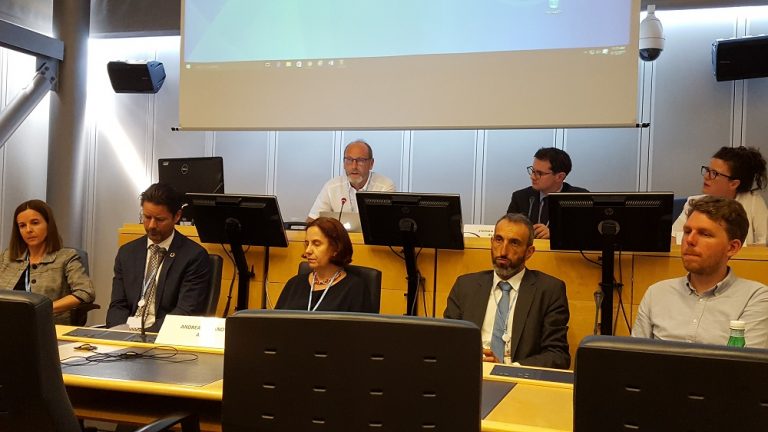
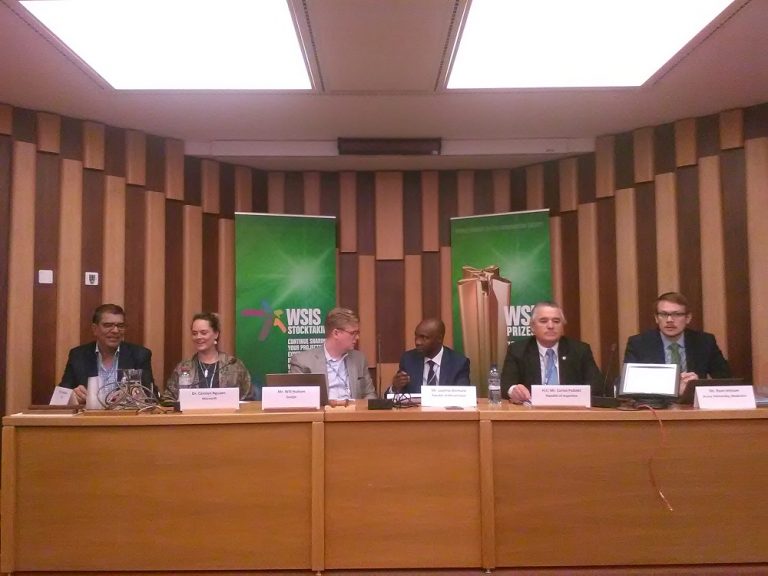
Open access is “part of the DNA” of international intergovernmental organisations, Charlotte Beauchamp, head of editorial and design at the World Intellectual Property Organization, said during a workshop last week. Representatives of different international organisations described during the workshop the increasing use of an open access policy by their organisations.

WSIS Forum: Close Link Between Internet And Human Rights

There is “no question” that there is a link between the infrastructure of the internet and human rights, Nicolas Seidler, senior policy advisor at the Internet Society, said at an information society event this week. Human rights are becoming “increasingly part of the design of the internet,” Niels ten Oever, head of digital at ARTICLE 19, said at the same event.

Stakeholders Collectively Designing Future Of Artificial Intelligence

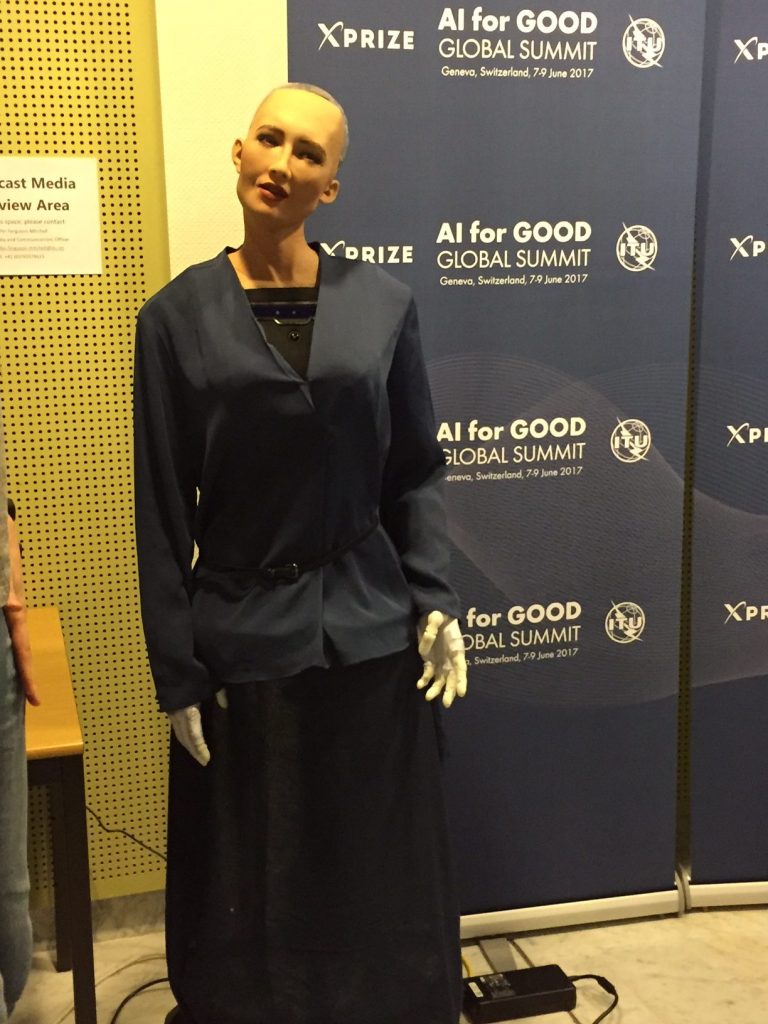
Designing a world where humans have to share space with robots is not an easy task. Several initiatives are looking at ways to address issues linked to the main fuel of artificial intelligence: data. Such issues include privacy, data ownership and sharing, but also making sure that artificial intelligence will not widen the existing digital divide. Speakers at a global summit last week provided insight on ongoing efforts to understand and best tackle the inevitable and sometimes unforeseen problems of this new territory.

US Supreme Court Adopts International Exhaustion Of Patents (Part II): Addressing the New Competitive Landscape

Frederick M. Abbott writes: The US Supreme Court has created a new competitive landscape with its decision adopting international exhaustion of patents. For the pharmaceutical sector, we can expect an initial period of uncertainty as the US Food and Drug Administration (FDA) assesses the regulatory framework affected by the decision and as competing stakeholders advance their interests. In an earlier Inside Views contribution, I addressed the principal impact of the decision on the US pharmaceuticals market: downward pricing pressure.[1] This follow-on addresses some of the regulatory and access issues affected by the decision, observing that parallel trade in pharmaceutical products is a long-standing practice, that recently introduced US legislative proposals may shape the regulatory framework in the United States, and concluding with ways that access programs in favor of developing countries are protected.

Summit: Artificial Intelligence Is Humanity-Changing, Build Safeguards Now

For artificial intelligence enthusiasts, the future is bright. Soon intelligent machines will help humankind solve most problems, and according to one speaker at an artificial intelligence summit in Geneva this week, humans will be outsmarted by robots in the foreseeable future, in an artificial intelligence bliss. For others, artificial intelligence is far from delivering a fully positive outcome, and for several United Nations representatives, such as the World Health Organization, the world should not be entrusted to robots just yet.