Category Access to Knowledge/ Education

When Machines Create Intellectual Property, Who Owns What?

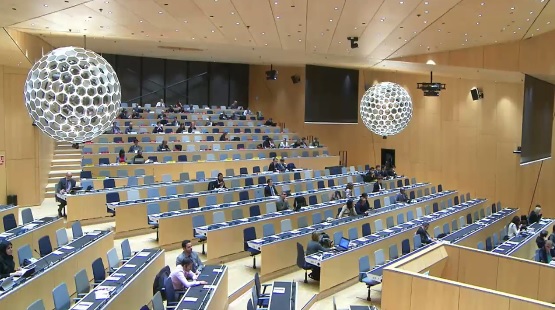
The concept of machines that can think and create in ways that are indistinguishable from humans has been the stuff of science fiction for decades. Now, following major advances in artificial intelligence (AI), intellectual property created by machines without human input is fast becoming a reality. The development thus begs the question among legal scholars, legislative bodies, and judiciary branches of governments worldwide of who owns the intellectual property that humans did not create.

European Parliament Demands Transparency In Expert Groups, Protection For Whistleblowers

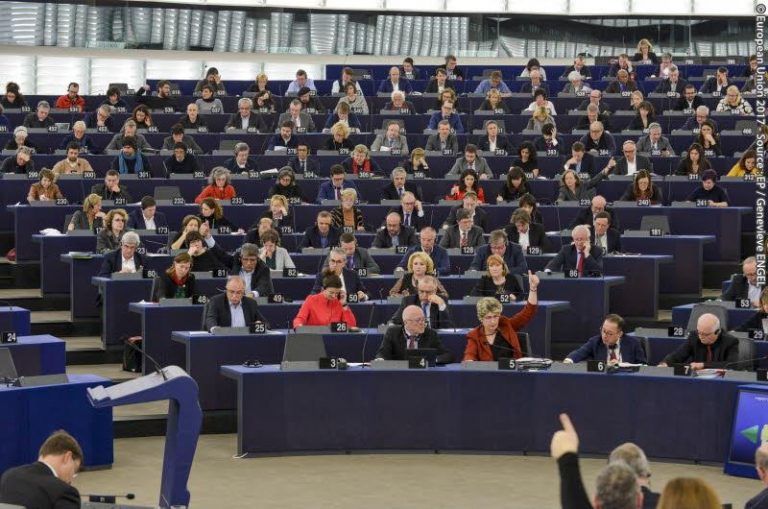
The European Commission is reforming the way it populates its "expert groups" which has been criticized as unbalanced and non-transparent for years. But the European Parliament is not satisfied. In a report on its own initiative passed in Strasbourg today practically unanimously (663 in favour, 16 against, 13 abstentions), the Parliament requested the Commission make public how it decides the composition of expert groups and explain which interest groups are to be represented and how geographical and political interests will be balanced.

WIPO Broadcasting Treaty: What Broadcasters Really Want To Protect Their Business From Piracy

In discussion for close to 16 years at the World Intellectual Property Organization, a treaty aimed at protecting broadcasting organisations’ intellectual property rights has not reached conclusion. Intellectual Property Watch sat down recently with the European Broadcasting Union to understand what broadcasters actually say they need to protect their businesses against piracy. As to what they see hindering the technical resolution of the treaty? Politics.

Potential Treaty To Protect Broadcasters’ IP Rights: Technicalities Explained

Negotiations for a treaty providing protections for broadcasting organisations have been long and difficult at the World Intellectual Property Organization. In the corridors of WIPO, questions to a number of delegates are often answered with a puzzled look and what seems to be little understanding of technical issues. Intellectual Property Watch recently tried to untangle some of the technicalities of the discussions.

EU Adoption Of Marrakesh Treaty For Blind Readers Imminent After Years Of Delay?

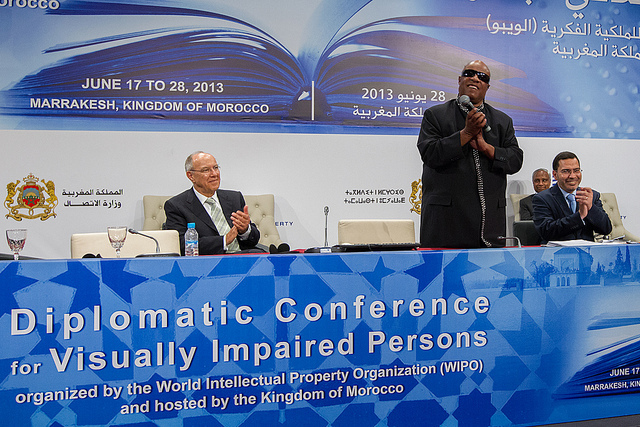
The European Parliament Legal Committee this week did not bother to further discuss the ratification of the Marrakesh Treaty on copyright exceptions for print disabled persons. Instead, Rapporteur Max Andersson declared that he favoured putting the file to a vote right away. Andersson told Intellectual Property Watch that the parliament would adopt the report in March or latest April.

A Case For Trade Enforcement: Colombia And Intellectual Property

President Trump and members of his administration have rightly talked about the need to be tougher on trade enforcement, including promising to take a closer look at existing trade agreements to see whether they should be revoked, renegotiated, or more strictly enforced. A candidate ripe for review is Colombia, and in particular, its ongoing failure to implement intellectual property provisions under the U.S. Colombia Trade Promotion Agreement (TPA), Nigel Corey writes.

Year Ahead: Copyright Issues Rank High On EU To-Do List This Year

Copyright, copyright and more copyright tops Europe's intellectual property agenda for 2017. With the EU institutions mulling major reforms to copyright laws, publishers are pushing for a right to bar unauthorised copying or reuse of their content for commercial purposes, audiovisual authors for fair remuneration for use of their works on platforms like YouTube. The European Commission will begin reviewing the enforcement of IP rights as well as delving further into issues related to liability of platforms for infringement. But there are many patent issues too, including plant variety protection, patent incentives, and the ongoing unitary patent court.

WEF Davos: Who Will Own The Knowledge Produced From “Our” Data By Machines?

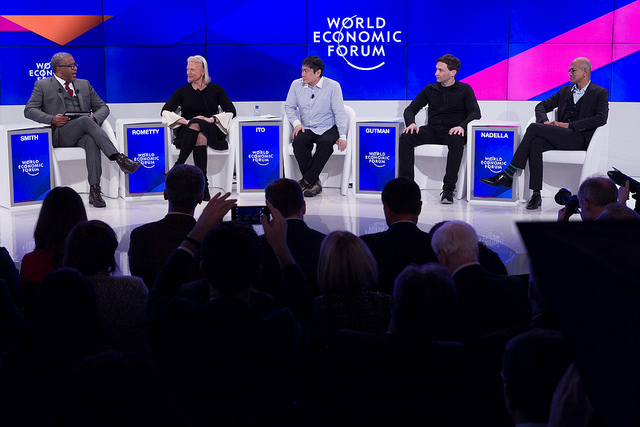
Artificial intelligence has succeeded the Internet of Things or the earlier cloud mania as buzzword number one at the Annual Meeting of the World Economic Forum that started today (17 January) in Davos, Switzerland. While ethical questions surrounding the intelligent machines are discussed at length and the question for regulatory steps considered, answers of who will own the knowledge created by machines or intelligent bots vary.