Category Access to Knowledge/ Education

Law Enforcement, Industry Hold Event Against IP Crime At UN

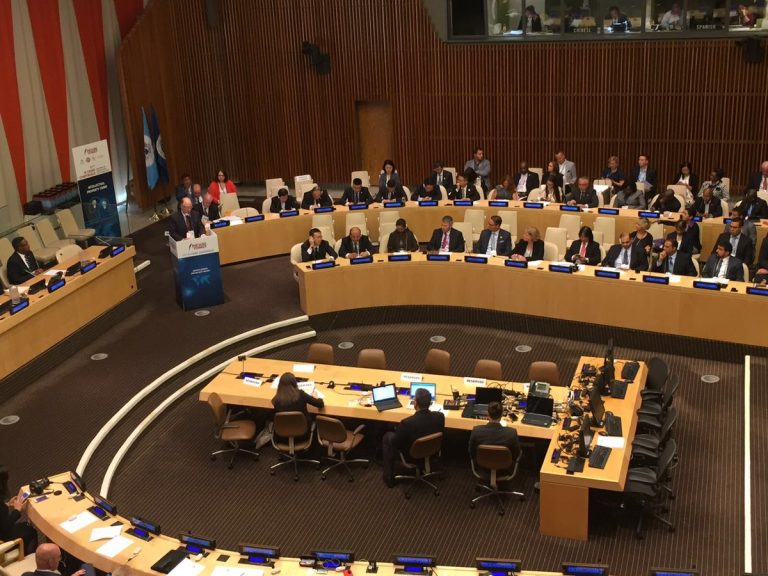
NEW YORK – An event of international law enforcement, security experts and industry this week at the United Nations headquarters in New York aimed at building strategies against a wide range of intellectual property crime worldwide. At the event, a senior United States official discussed plans to expand a program of US IP experts abroad.

The Dilemma Of Fair Use And Expressive Machine Learning: An Interview With Ben Sobel

Intellectual Property Watch recently conducted an interview with Ben Sobel, law and technology researcher, teacher, and fellow at Harvard University's Berkman Klein Center for Internet and Society. Sobel has focused his research on copyright and the fair use doctrine, in particular in the context of artificial intelligence (AI). Below, he shares his views on expressive machine learning, “the fair use dilemma” and “Big Content versus Little Users”. The most pressing copyright question has to do with AI readers, not AI authors, according to Sobel.

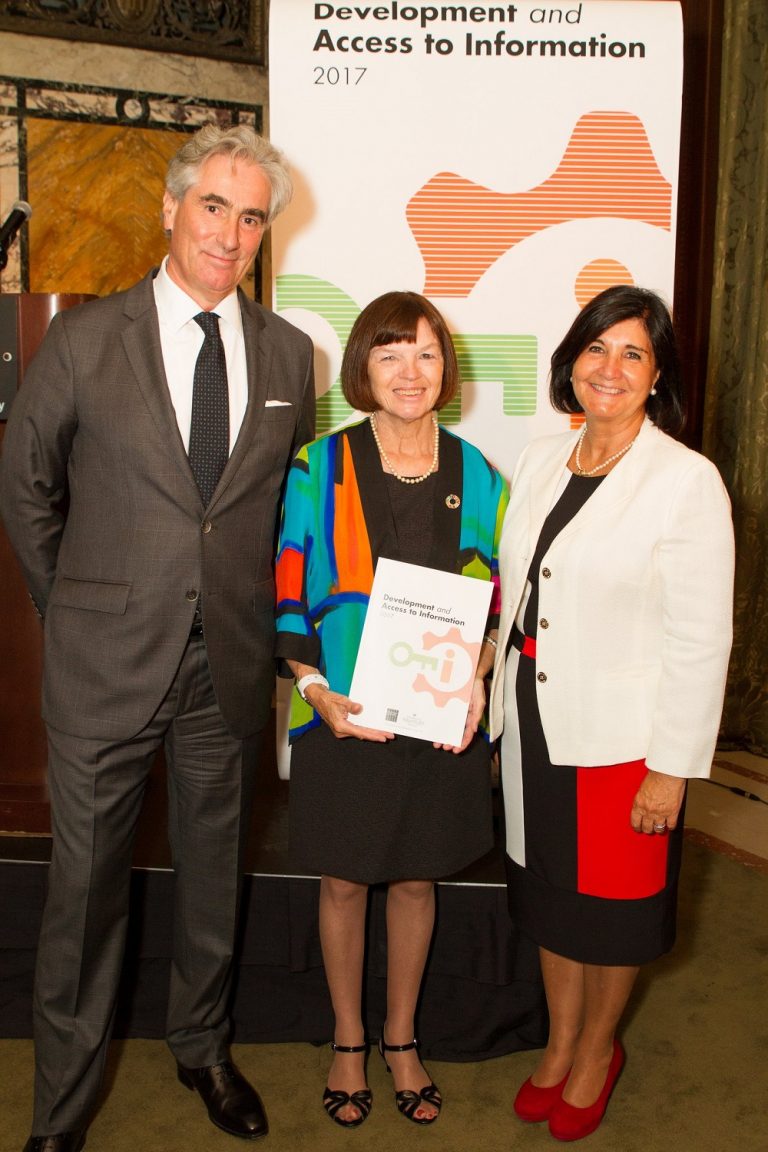
Information, Access, And Development: Setting A Course For The Sustainable Development Goals

Gerald Leitner writes: Information is the raw material for decision-making. When individuals and groups make the right choices, based on good information, their chances of taking a full role in economic, social, cultural and civic life improve. They can better create and innovate, participate in politics, find and do their jobs well, and live healthily.

Informed citizens and communities are also essential to the UN’s 2030 Agenda. We cannot have sustainable development when individuals are not able to deal with new choices and challenges autonomously, drawing on access to information. And we cannot have inclusive development, with no-one left behind, unless this access is real and meaningful for everyone.

Libraries have long sought to do this, making sure that the world’s heritage is preserved and made accessible, allowing the sharing of knowledge between institutions and across borders, and giving children, families, students and others the chance to enjoy works which they could never afford to pay for individually.

Why Fair Dealing Is Not Destroying Canada Publishing

For the past few years, publishers around the world have engaged in a sustained campaign to hold up Canada as proof that making fair dealing more flexible for education will hurt publishers. Those efforts rarely tell the whole story: that paid access remains the primary source of materials in Canada, that educational copyright policies in Canada are primarily a function of court decisions not copyright reform (the emphasis on fair dealing came before the 2012 reforms), that global publishers were reporting marketplace challenges that have nothing to do with copyright, that Canadian publishers that supposedly stopped publishing were still in business, that court affidavits from Canadian publishers focus on many concerns other than copyright, and that a study from one Canadian publisher association highlighted issues such as open access and used book sales. University of Ottawa law professor Michael Geist expands on the reality of Canadian publishing and copyright law.

Intermediaries Could Be Made Liable In EU Copyright Legislation

Positions on the new draft European Union Copyright Directive lie so far apart in the European Parliament that compromise before an expected October vote seems nearly impossible. Critics of a new special copyright for press publishers - and of a radical change towards holding internet intermediaries liable for what their users upload - were highly alarmed by this week’s developments in Brussels.

Course Packs For Education Ruled Legal In India: Triumph For Access To Educational Materials

On 9 May 2017, a five year court battle between publishers and universities finally came to an end when the Supreme Court of India dismissed an appeal by the Indian Reprographic Rights Organization (IRRO) challenging an earlier judgment of Delhi High Court that ruled course packs in India legal for educational purposes.

In a case that gained wide international attention, issues such as the cost of textbooks in India were raised, students agitated for fair access to educational materials, and the jurisprudence on copyright in India has taken a leap forward. In this guest blog, Anubha Sinha, Programme Officer on Openness and Access to Knowledge at the Centre for Internet and Society India, discusses the judgment in the case known as the ‘Delhi University photocopy’ case, and what it means for access to educational materials in India.

Lessons From South Africa: Protecting Non-Expressive Uses In Copyright Reform

Matthew Sag and Sean Flynn write: This week, the South African Parliament began accepting comments on its pending Bill proposing to amend the South African Copyright Act to align it with the digital age. We and other experts and civil society organizations submitted comments praising many of the Bill’s provisions and proposing that it adopt an “open” fair use right. Here we focus on one major reason to adopt an open fair use right – to authorize so-called non-expressive uses of works. We conclude with some reflections on how international law could help in this regard.

G20 Reaches Agreement Against Terrorism, Appears To Target Encryption

At the G20 meeting in Hamburg today, the German hosts chose a retreat over the fight against terrorism as a warm-up, before turning to the controversial topics of free trade and climate change. Governments were very much in agreement when it comes to one thing: Internet platform providers must do more to fight radicalization and the use of the internet by terrorists.

EU Parliament Adopts Marrakesh Treaty; Blind Union Prepared To Fight Publisher ‘Compensation’

The European Parliament today with over 600 votes adopted the legal instruments to ratify the Marrakesh Treaty on access to reading material for the visually impaired. The treaty, adopted by the members of the World Intellectual Property Organization in 2013 and effective since last year, has been subject of controversies due to lobbying from publishers in the European Union, members of Parliament said today in Strasbourg before the vote. EU member states after today’s vote have one year to implement.