Category Access to Knowledge/ Education

G7 ICT Ministers: Free Data Flows, More Access To Data, But IP Protection Nevertheless

Openness, security and the support for innovation through the empowerment of small and medium companies are the three core points of the joint statement of the G7 ICT Ministers after their two-day meeting in Turin, Italy ending today. While the host, Italian Minister of Economic Development Carlo Calenda, heavily underlined the need to avoid in digitalisation policies the mistakes made in globalisation, many topics of the final statement point to highly familiar commitments, with better protection of intellectual property being one.
Infojustice: Ottawa NAFTA Round Turns To Copyright

Infojustice writes: It was being reported among various observers of NAFTA over the weekend that the talks in the IP chapter are progressing toward Copyright. The US appears poised to table the first set of its demands for that portion of the IP chapter. But it is also rumored that that the US demand may exclude the issue of copyright balance.

US Copyright Agenda Stalling In Congress

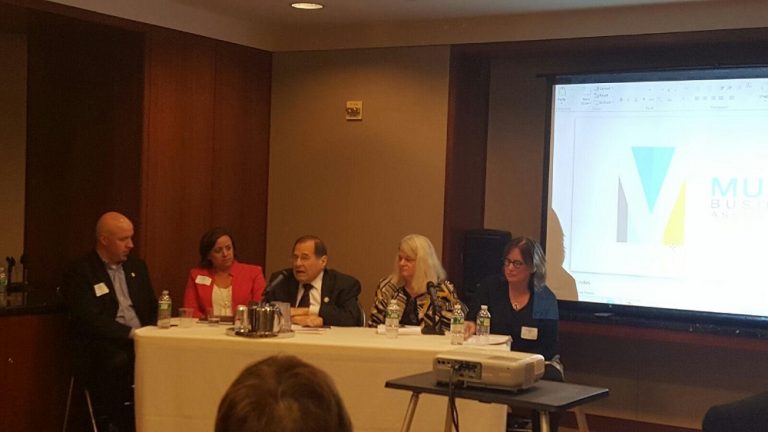
NEW YORK -- The music community in the United States has a wide copyright agenda covering various business issues and stakeholders. While it had entertained the notion that a new President with its new administration and Congress would be more sympathetic to the complex needs of the industry, it is still waiting for the Trump administration to act on copyright issues, judging from comments made by various stakeholders in the legislative process during an industry panel in New York this week.

UN Assembly Tackles Role Of Technology And Innovation In Sustainable Development

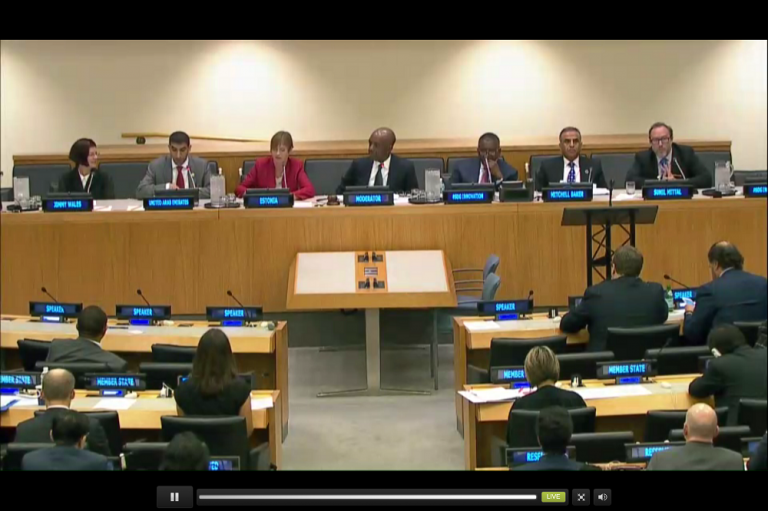
Governments and the private sector must work more closely together in the area of technology and innovation to make the United Nations Sustainable Development Goals (SDGs) a reality by 2030, government and major tech company officials said at today’s UN high-level event in New York. Today’s development problems won’t be solved with yesterday’s solutions but by all stakeholders – governments, civil society, youth, businesses and academia – working together, said General Assembly President Miroslav Lajčák. Everyone must have “fair access to technologies and innovations” and to training, he said.

The Many Layers Of Best Practices In The Fight Against Counterfeiting, Piracy

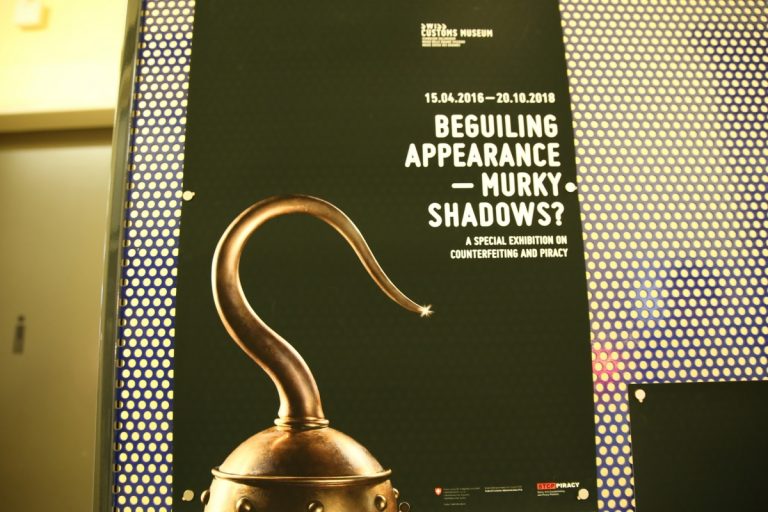
Landlocked Switzerland never had to face pirates in seafaring days, but these days Stop Piracy – the Bern-based Swiss anti-counterfeiting and piracy platform - is actively united in fighting this 21st century threat that lurks in cyberspace everywhere. At a recent conference in Neuchâtel, a range of experts, including from the European Union IP Office, explored the issues.

Key IP Delegates In Geneva – Fully Updated!

Geneva, Switzerland is the gathering point for the world's governments to set international policy and practices relating to intellectual property rights, as they cut across many of the public policy issues of the day (eg innovation, trade, internet, health, food), including at the World Intellectual Property Organization, World Trade Organization and World Health Organization. Everyone has a stake in what governments and their stakeholders do in these venues. But who do you talk to in order to get your message through? Now Intellectual Property Watch has fully updated its unique list of the diplomats representing many of the key nations in those institutions in Geneva. Available here for subscribers only!

Between Human Rights And IP: An Interview With Laurence Helfer, Co-Author Of Guide To Marrakesh Treaty Implementation

When in 2013, in Marrakesh, Morocco, a new World Intellectual Property Organization treaty establishing exceptions and limitations for people with visual impairment was adopted, it was hailed by some as a miracle. Entered into force in 2016, the way states implement the treaty is of major importance for the World Blind Union (WBU) so that the treaty serves its purpose to expand access to books for visually impaired people. Laurence Helfer is co-author of a Guide: The World Blind Union Guide to the Marrakesh Treaty: Facilitating Access to Books for Print-Disabled Individuals. Alongside the recent session of the United Nations Committee on the Rights of Persons with Disabilities, he sat down with Intellectual Property Watch Senior Writer Catherine Saez to explain the main aims and messages of the Guide.

New Guide Shows How Best To Implement Marrakesh Treaty So Books Are Accessible To Visually Impaired

The World Blind Union (WBU) has recently issued a guide to the World Intellectual Property Organization treaty providing copyright exceptions for visually impaired people. If the treaty was hailed by all, the way it is implemented could be a gamechanger, and the WBU provides advice to all stakeholders, and in particular governments, so that the treaty is interpreted and implemented to the best interest of the visually impaired. The union also warns against the implementation of two optional provisions, which they say could run counter to the aims of the treaty.