Category Subscribers

UK Decision To Ratify EU Patent Court Leaves Key Questions Hanging

The United Kingdom government is preparing to ratify the Unified Patent Court Agreement, it said on 28 November. The move took the patent community by surprise but failed to relieve uncertainty about what will happen when the UK finally Brexits the EU, according to patent attorneys in the UK.
New Draft Articles For The Protection Of Traditional Knowledge On Table At WIPO

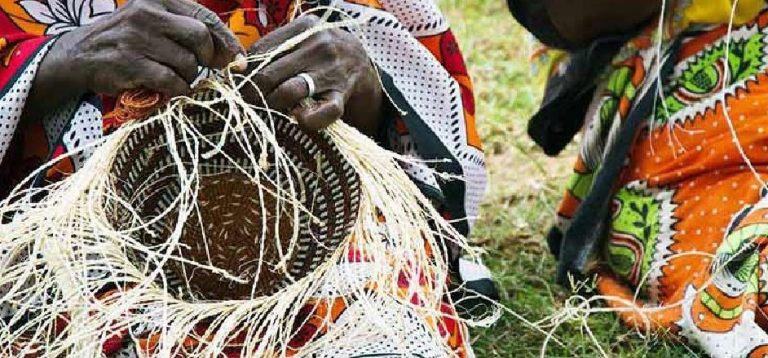
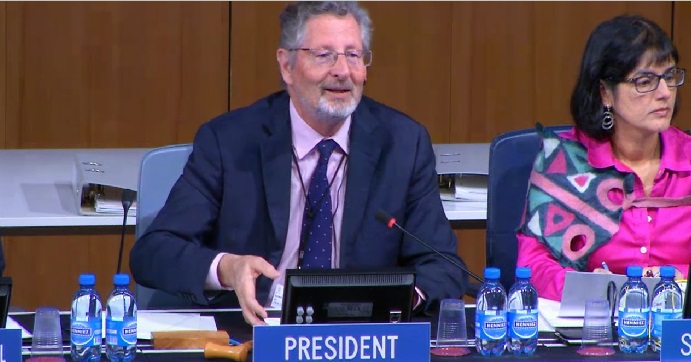
New draft articles published this morning at the World Intellectual Property Organization committee on traditional knowledge show signs of progress in terms of reducing options. Meanwhile, the United States introduced a proposal for a discussion of what should be protectable and what is not intended to be protected. Delegates have to deliver their take on both documents this afternoon.

First Attempt At Bridging Textual Gaps On Traditional Knowledge Protection At WIPO

A new text suggested by facilitators in the ongoing discussions on the protection of traditional knowledge at the World Intellectual Property Organization attempts to tighten options to facilitate further discussions. They focused on the policy objectives of the potential treaty, what it should cover, and who should benefit from it - whether only indigenous peoples or states as well. Separately, Switzerland made a suggestion for a way forward with "positive" protection of TK.

Kenya: Collective Management Organisations In Danger After Court Questions Their Role

NAIROBI, Kenya -- A ruling this month by a Kenyan court that artists, performers and musicians cannot be compelled or forced to join a collective management organisation (CMO) to collect royalties on their behalf could spell doom for CMOs in the country, experts fear.

New US Copyright Rule Sets Trap For Online Firms

The US Copyright Office is supposed to balance the interests of copyright owners with the interests of everyone else. However, the Office’s latest regulation, which takes effect 1 December, may be anything but fair and balanced. It could, according to critics, strip Facebook, YouTube, and other online companies of a vital statutory safe harbor, thus making these companies liable when their users post infringing material online. Online companies could face billions in infringement damages, driving them out of business.

WHO Releases Reports On Pandemic Framework Review, Implications Of Nagoya For Public Health

The World Health Organization has published two advanced documents to be presented at the organisation’s Executive Board meeting in January. One relates to the review of the WHO mechanism for pandemic influenza preparedness, and the other to the public health implications of the implementation of an international treaty on genetic resources.

ARIPO Members: Collective Management Organisations Need Better Digital Documentation, Licensing

Collective management organisations need to embrace online trading platforms, so as to increase earnings for economies and creators. That was the call made during a recent regional workshop on digital licensing and documentation in Harare, Zimbabwe for music collective management organisations (CMOs) by the member states of the African Regional Intellectual Property Organization (ARIPO).

WIPO Copyright Committee Agrees On Future Work, No Decision On Broadcasting Treaty Deadline

The World Intellectual Property Organization committee on copyright agreed on its work for its spring session, which is expected to advance work towards a treaty protecting broadcasting organisations. Discussions on limitations and exceptions to copyright for libraries, archives, education, and research will remain on the agenda. Although some delegations remarked that the agenda is already heavy, they agreed to continue work on resale right for visual artists and copyright in the digital age.

What’s Coming On IP For The US, Geneva? An Interview With Q. Todd Dickinson

Q. Todd Dickinson is a shareholder at Polsinelli law firm, and was director of the United States Patent and Trademark Office (USPTO) under President Clinton, a former lead IP counsel for two Fortune 50 corporations, and most recently executive director of the American Intellectual Property Law Association (AIPLA). In an interview with Intellectual Property Watch on 18 November in the margins of the IP Dealmakers conference in New York, Dickinson discussed US prospects for national and international IP policy after the presidential election, changes in Geneva, reform of US IP law, and repairing relationships.

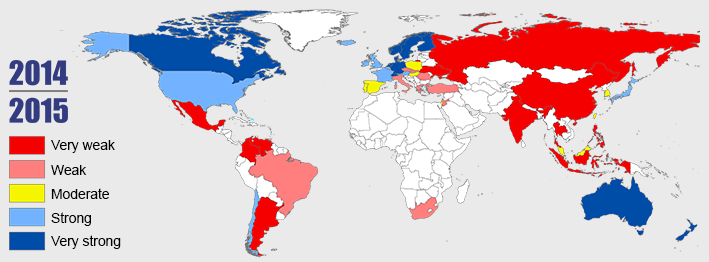
Online Enforcement Index Aims To Aid Patent Filing Decisions

Part of the decision whether to file a patent in a particular country rests on how likely it is the patent can be effectively enforced, but until recently the information needed to answer that question was mostly anecdotal, Nikolaos Papageorgiadis, University of Liverpool Management School (UK) international business lecturer, said at a webinar. To remedy that, he and Cranfield School of Management Economic Policy, Sustainability and Performance Reader Konstantinos Alexiou created the Index Of Patent Systems Strength, which ranks the effectiveness and efficiency of the patent systems of 49 countries.