Category Subscribers

Against Microbial Resistance Peril, WHA Delegates Discuss Global Solutions, Approve Report

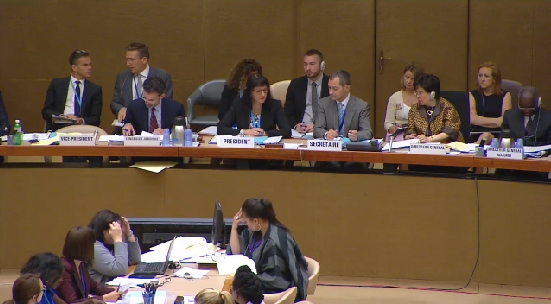
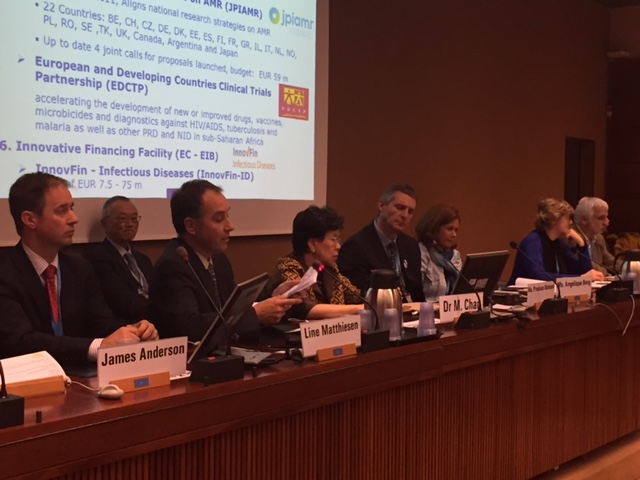
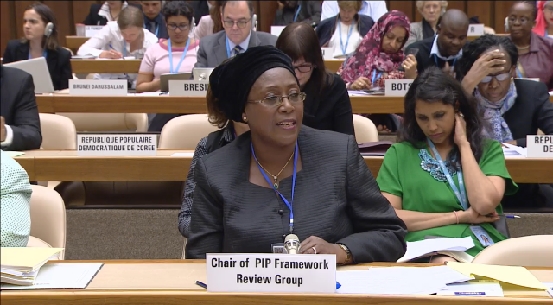
According to a new report, by 2050, some 10 million lives could be lost a year due to antimicrobial resistance. This is an issue which has been central to this year’s World Health Assembly, and is of global consequence. Delegates gathered for the occasion noted a report by the World Health Organization secretariat on the global action plan on antimicrobial resistance adopted last year and options to develop a global stewardship framework to try to limit the use of antibiotics and develop new ones.
Amending Pharmaceutical Industry Practices Can Build Trust, Panellists Say

At a side event to this week's World Health Assembly, GlaxoSmithKline detailed measures taken by the company to dispel the perception of conflict of interest, and build trust, including amending the ways its sales forces operate, and no longer paying speakers at scientific congresses, and said it wants to provide leadership on the issue. Patients and physicians associations call for mainstreaming those practices.

G7, In Japan, Put Their Heads Together Over Crises

Eight ministerial meetings have prepared a fat stack of paper, the “sherpas” have nearly concluded their work, and civil society once more has passed its own resolution on how they propose to tackle the most daunting global problems. Now it's time for the G7 leaders' roundtables – and the photo ops in Ise-Shima, Japan. For two days, the heads of state of Canada, France, Germany, Italy, Japan, the United Kingdom and the United States will talk on trade, foreign policy, climate change and energy. And maybe some digital, R&D and intellectual property issues.

US High Court To Consider IP Protection For Clothing Design

Fashion in the US generates over $330 billion in annual revenues, but it is more than a business. Fashion is a well-recognized art, displayed in numerous museum exhibitions throughout the world. This art, however, receives little IP protection in the US. But a case before the US Supreme Court could change that.

EU Eyes Revamp Of Policy To Speed Drug Approvals In Developing Countries

Article 58, a process introduced by the European Commission to help speed up the time low and middle-income countries take to approve new drugs, could be in for a massive overhaul. A revamp has been proposed because it is underused - just a handful of products have gone through the Article 58 process since its launch in 2004. The most recent is an antiseptic chlorhexidine gel that prevents new-born umbilical cord infections in developing countries. A joint project between GSK and Save the Children, it was approved late last month.

WIPO Copyright Committee In Freewheel Mode; Conversation Continues

It is difficult to understand whether the prospect of a treaty protecting rights of broadcasters is getting nearer or farther away at the World Intellectual Property Organization, as some countries are still calling for a diplomatic conference to finish the treaty, while others are saying agreement on core issues such as what and who the treaty should protect seems elusive. And the committee discussion of copyright exceptions and limitations was nourished by non-governmental entities explaining the need for those exceptions.