Category Subscribers

WIPO Enforcement Committee To Discuss National Experiences In 2017

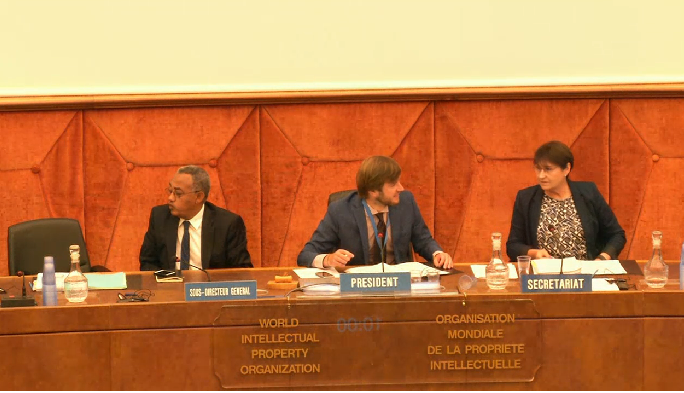
The enforcement of intellectual property rights - how they are enforced and by whom - is left to countries' discretion. Members of the World Intellectual Property Organization committee on enforcement shared experiences this week on how they raise awareness about IP, their IP enforcement policies and regimes, and capacity-building in relation to WIPO training activities. And at the end of the session, delegates decided to pursue those topics of discussion again in 2017.

IP Offices Focus On Educating Younger Population About IP Protection

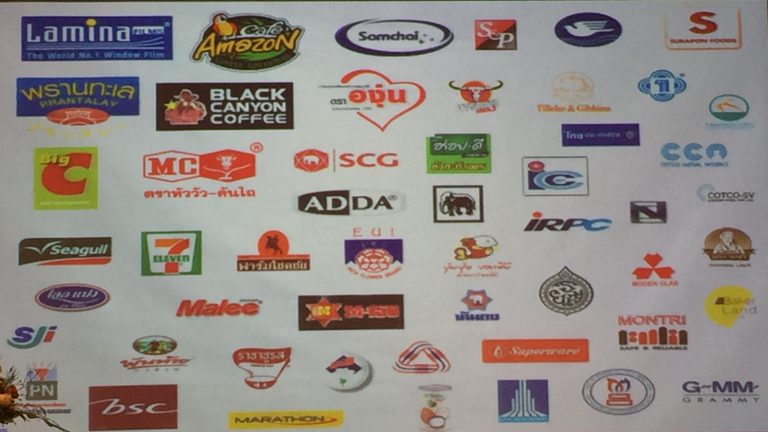
Intellectual property rights awareness campaigns are increasingly targeting the younger population, as early as primary school, according to several country presentations at the World Intellectual Property Organization enforcement committee this week. WIPO is also developing an Education Took Kit for teachers of children aged 5 to 18. However for some countries, this education should encompass a broader view on IP than only enforcing rights.

Blockchain Technology Raises Challenging IP Issues, Say Speakers

Blockchains, such as the well-known bitcoin, are not yet well-defined but are creating a lot of hype, speakers at a 23 August Intellectual Property Owners' Association webinar said. Two things are clear so far, they said: the technology is in its infancy, and there are lots of unresolved questions about what is patentable and how IP laws intersect with the mostly open source software used in the systems.

Committee Agrees WIPO Strategic Plan To 2021: Possible Rethink For Policymaking

Anticipating a degree of uncertainty ahead for the global economy and intellectual property system, the World Intellectual Property Organization in a new six-year strategic plan looks at likely future policy debates, a focus on infrastructure and training, and possible ways to bring about better negotiations at the UN agency.

WIPO External Offices In High Demand As 18 Countries Offer Hosting

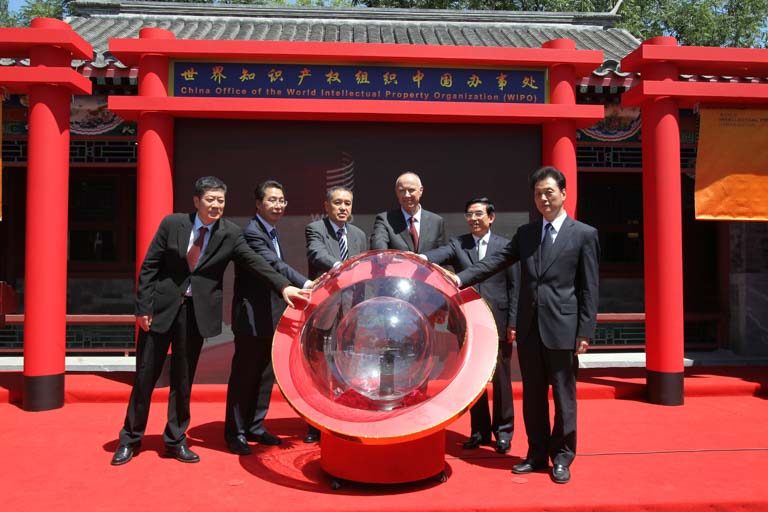
Hosting a regional or national office of the UN World Intellectual Property Organization seems to be a high prize for WIPO members, 18 of which have submitted hosting proposals to be considered at the WIPO Program and Budget Committee next week. Most of those 18 countries are developing nations and all sought to demonstrate their commitment to intellectual property rights and IPR protection, with some underlining the importance of considering level of development. According to regional press reports, Algeria and Nigeria have been selected by the African region to host the two African external offices.

WHO Pandemic Flu Review Group Meets Next Week

The review of a World Health Organization mechanism for sharing pandemic influenza viruses while ensuring access to vaccines for developing countries is nearing conclusion. Next week, the reviewers will hold their last meeting, including an open session for governments and stakeholders to share views. The review is addressing issues such as the mechanism’s relationship with other international rules, and how to handle the rising use of genetic data instead of biological samples.

The Expert On IP For Internet Protocol: Interview With Scott Bradner

Fluent in both types of IP: Scott Bradner has been an architect of intellectual property (IP) policy for internet protocol (IP) standards. He played a core role in the development of internet protocol, leading to the very digital revolution we know today, as well as the next generation IPv6, all the while designing intellectual property policy to go along with it. Here is an interview with Bradner.

Updated List Of Geneva Delegates Responsible For IP

There are many, many committees, councils, panels, meetings, receptions, conferences, assemblies - not to mention countless private lunches, coffees and other contacts - during the year in Geneva that address policy issues related to intellectual property, innovation, research & development and the like. Intellectual Property Watch provides an indispensable, up-to-date list of who you need to talk to when you want to get the message across or follow the action.

Olympic Games: Trademark Revenues Are High Stakes

With a budget of over 2 US$ billion, the Brazilian Olympics rely heavily on commercial sponsors and licensing for revenue. Protecting the Olympic symbols is thus an imperative for the games with stringent rules on the use of those symbols and related signs. However, the fame of the event also draws covetousness from a variety of commercial actors seeking free rides, which is a dangerous endeavour, according to legal sources. Brazil adopted special rules for the occasion, while in the United States the protection is particularly stringent.