Category WHO

Industry Alliance Report: Companies Invest In AMR R&D, Need More Pull Incentives

An alliance of over a hundred industries seeking to curb antimicrobial resistance launched its first report today. According to the report, a number of companies are heavily investing in research and development, and work to improve access to their diagnostic products and preventing therapies.

Guide To The WHO Executive Board: Access To Medicines, Noncommunicable Diseases, Non-State Actors

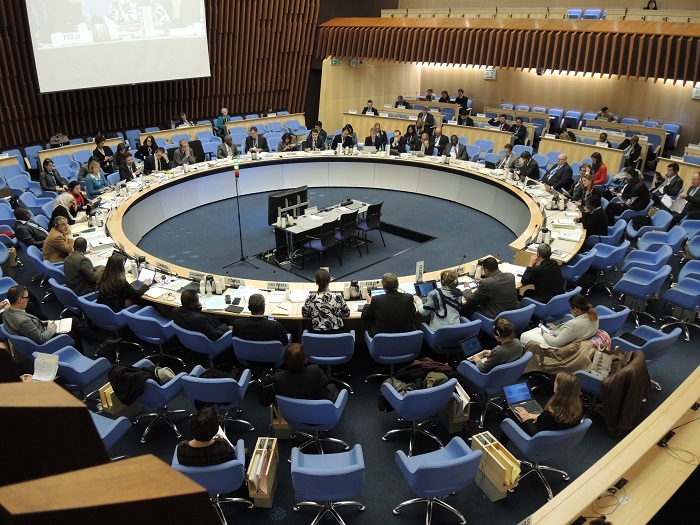
The World Health Organization Executive Board meets next week. On the agenda are recommendations of a review group on the WHO Global Strategy on Public Health, Innovation and Intellectual Property, and WHO proposed actions to increase access to affordable and safe medicines and diagnosis. The Executive Board is also expected to consider a report on noncommunicable diseases, new possible organisations to enter into official relationships with WHO, and how to address the global burden of snakebites, including access to treatment.

WHO: New Directors In Leadership Team Selected On Merit First

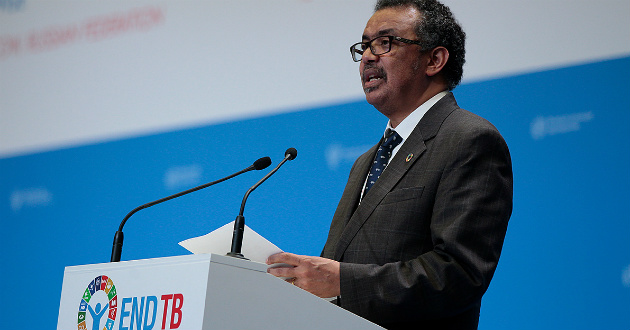
The new World Health Organization director general last month announced a range of officials to serve as programme directors, touting the unusual achievement of naming almost all women to add to an overall women's majority in the senior leadership of the organisation - a first for the UN. Now after some questions arose over the choice of a Russian official to head up efforts against tuberculosis, the WHO defended its choices as fully merit-based, including in an email to Intellectual Property Watch and its sister publication Global Health Policy News.

WHO’s Revised Work Programme: Evidence-Based Normative Work, Access To Medicines

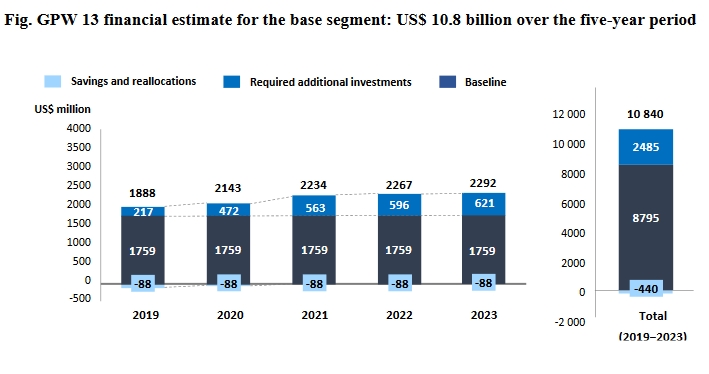
In a couple of weeks, the World Health Organization will be holding its annual January Executive Board meeting. Delegates will consider the edited version of the draft 13th WHO general programme of work for 2019-2023, published on 5 January. Following comments to the first version of the programme in November, the secretariat produced a more fleshed-out document, emphasizing the WHO's normative role, in particular evidence-based. The necessity of access to medicines and vaccines has been extended to other products, such as devices and blood products, and mention is made of the WHO Global Strategy and Plan of Action on Public Health, Innovation and Intellectual Property.

Top IP-Watch Stories Of 2017: What Do They Tell Us About Multilateral IP Policy?

What IP-Watch stories were readers reading most in 2017, and what does it say about the state of global intellectual property policy? In this article, we look at the most-trafficked stories of last year, and make a few assumptions. Asia, Europe, trade, health. These were the top targets of interest to readers among our offerings. Interestingly, despite all the sound and fury in Washington, our coverage there was not at the top of the list. Even more interestingly, neither was our extensive and world-leading coverage of the World Intellectual Property Organization.

London Declaration Report Shows Progress But More Needed Against Neglected Tropical Diseases

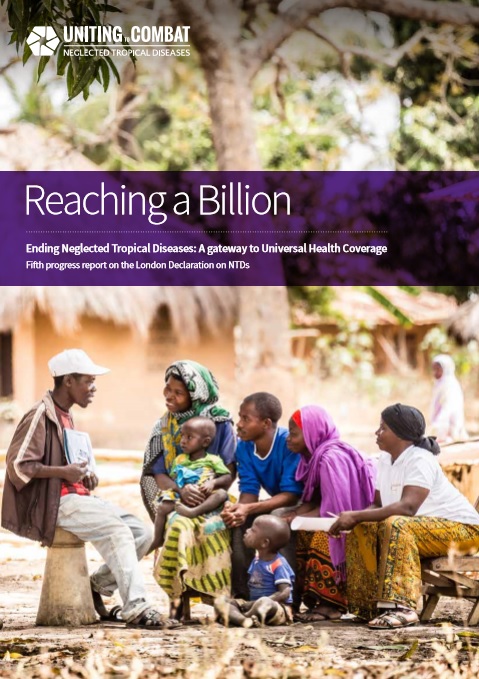
A newly released report by the wide-ranging joint London Declaration initiative to fight neglected tropical diseases shows progress in elimination of diseases and the number of people treated. However, in order to reach universal health coverage, efforts have to be intensified, according to the World Health Organization director general. The pharmaceutical industry, meanwhile, said it is ready to live up to its pledge made five years ago and expand donations programmes.

Former Medicines Patent Pool Head Greg Perry Joins Pharmaceutical Industry

A day after Greg Perry resigned as executive director of the Medicines Patent Pool, the pharmaceutical industry announced today that he will join the Geneva-based International Federation of Pharmaceutical Manufacturers and Associations (IFPMA) as an assistant director general.