New MPP-Gilead License For HIV Treatment
The Medicines Patent Pool today announced a new licence with Gilead Sciences for a medicine which in combination with others would offer a once-daily, single-tablet HIV treatment.

Original news and analysis on international IP policy
The Medicines Patent Pool today announced a new licence with Gilead Sciences for a medicine which in combination with others would offer a once-daily, single-tablet HIV treatment.

The World Health Organization today announced the new leadership team for the UN agency, with a range of geographic representation and a majority of women in the top posts.
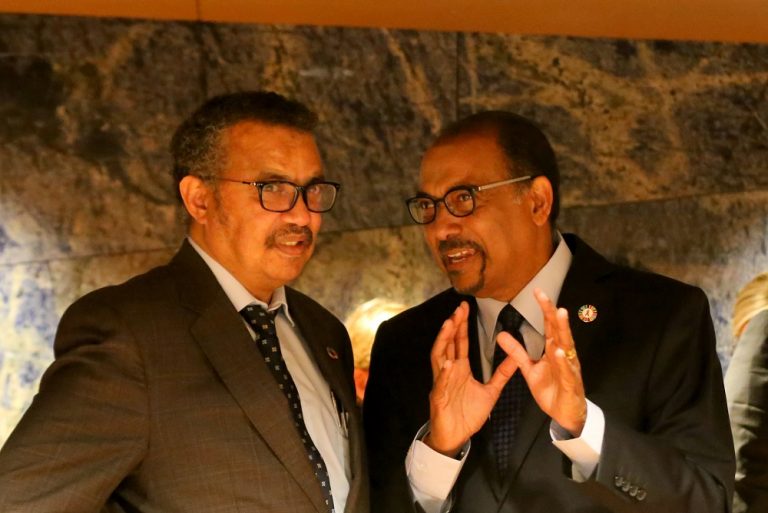
Innovation is vital for the development of medicines, but innovation without proper access to them is pointless, Roberto Azevêdo, Director-General of World Trade Organization has said. Several other agency heads spoke at the same event, where World Health Organization Director General Tedros Adhanom Ghebreyesus stressed the importance of universal health coverage.
The 2017 Social Forum, an annual meeting convened by the Human Rights Council, is being held next week in Geneva, and will focus on the promotion and protection of human rights in the context of the HIV epidemic and other communicable diseases and epidemics.
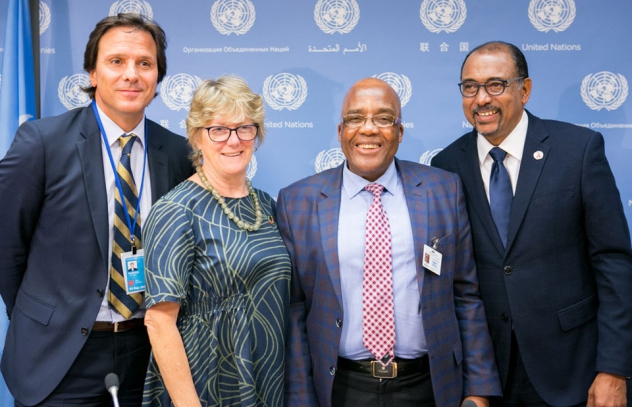
NEW YORK -- In the midst of the high-level meetings of the annual United Nations General Assembly last week, health officials from the UN and foundations announced what they called a breakthrough pricing agreement that will speed the availability of "the first affordable, generic, single-pill HIV treatment regimen containing [the key compound] dolutegravir to public sector purchasers in low- and middle-income countries at around $75 per person, per year." A senior official at Unitaid, the drug purchasing mechanism that helped reach the deal, explained to Intellectual Property Watch how it came about and why this is significant.
A new report issued today by the World Health Organization shows a “serious lack” of new antibiotics in development, even as resistance to existing antibiotics are on the rise. The head of the WHO said the report shows an “urgent…

Geneva, Switzerland is the gathering point for the world's governments to set international policy and practices relating to intellectual property rights, as they cut across many of the public policy issues of the day (eg innovation, trade, internet, health, food), including at the World Intellectual Property Organization, World Trade Organization and World Health Organization. Everyone has a stake in what governments and their stakeholders do in these venues. But who do you talk to in order to get your message through? Now Intellectual Property Watch has fully updated its unique list of the diplomats representing many of the key nations in those institutions in Geneva. Available here for subscribers only!
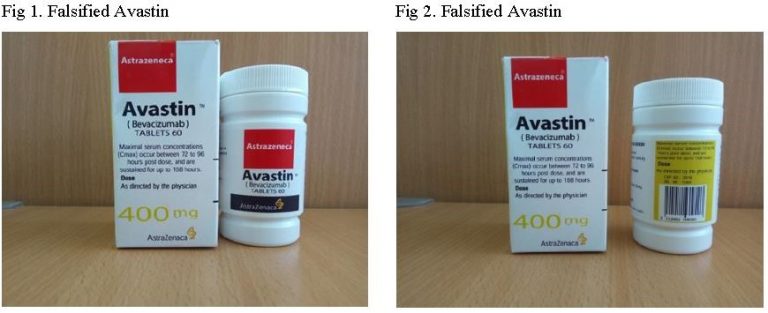
The problem of fake medicines is a big one. But precisely how big? The problem is, when reporting numbers, news stories, reports and institutions have historically bundled the different kinds of medicines together, says an expert at the WHO.
A wide range of governments and stakeholders attended a closed meeting in the Netherlands in May to address the ongoing problem of pricing medicines to pay for research and the resulting lack of affordability of those medicines. The report from the World Health Organization-led meeting shows a range of points were made by participants and signals a move to change the global policy.
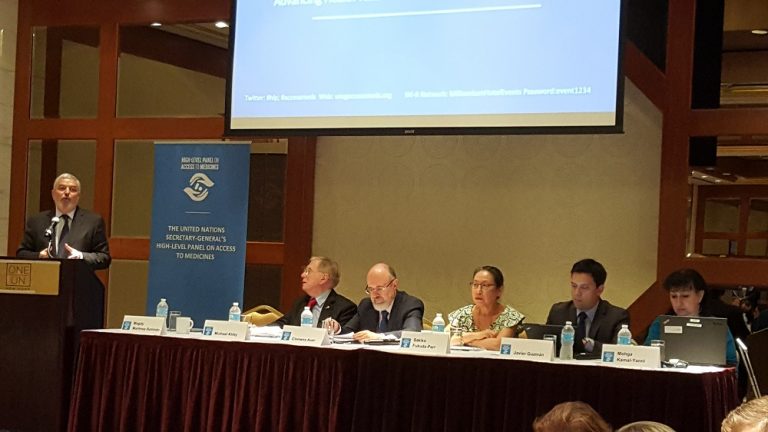
NEW YORK -- A range of speakers, including top health officials from both a developed and developing country, last week laid out the case for why the world’s leaders must now launch a shift in the way medicines all populations need are developed and priced. The need for global collaboration is clear, speakers said, but who will lead?
In the days before this month's AIDS conference being held in Paris, the World Health Organization has announced the prequalification of the first generic version of sofosbuvir, a "critical" medicine for treating hepatitis C. Treatment for hepatitis C under patent has been notoriously priced at extreme high levels, putting it out of reach of patients in economies of all sizes.
For the first time, more than half of people in the world living with HIV have access to treatment, UNAIDS said in a report released today in Geneva. In addition, AIDS-related deaths have been nearly cut in half since 2005, it said. As of 2016, nearly 20 million people were living with HIV.