Category WHO

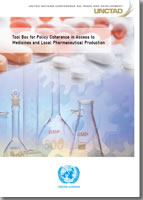
New UNCTAD, GIZ Toolbox: How To Achieve Policy Coherence For Local Production And Access To Medicines

What do investment, trade, intellectual property, health financing, R&D, industrial and medicines regulation policy have in common? They are all important building blocks for the successful promotion of local pharmaceutical manufacturing. As more and more countries are looking into building their own pharmaceutical production capacities, they need to ensure strong policy coherence to be successful.

Global Biotech Industry Tests Policy Waters In Geneva

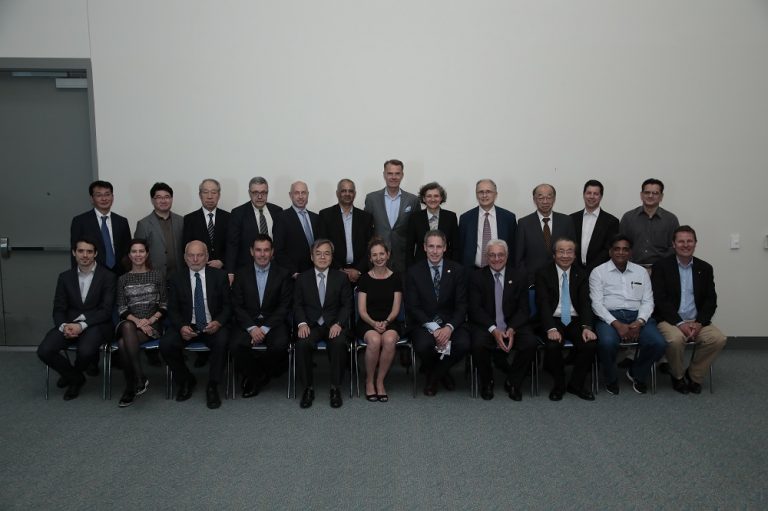
A delegation of heads of biotechnology companies visited Geneva this month to present the International Confederation of Biotechnology Trade Associations (ICBA). The ICBA was created in 2012, but is now looking to make its voice heard in Geneva and inform policy discussions, and is finding it is not easy to become an observer in some organisations. They also underlined the importance of intellectual property for the biotech sector, in particular to attract indispensable capital. The delegation sat down with Intellectual Property Watch’s Catherine Saez to talk about their Geneva visit.

Expert Panel Recommends That The WHO Move Forward On Transparency And Delinkage

On Monday, 27 November, the WHO published the recommendations of the overall programme review of the global strategy and plan of action on public, health innovation and intellectual property (EB142/14). The expert panel provided 33 recommendations which included 17 forward looking”high-priority actions” including on transparency and delinkage, writes Thiru Balasubramaniam.

TWN – Proposed WHO Criteria On Medicines In Transit Open Door For Seizures

Geneva, 21 Nov (TWN) - A discussion document prepared by the Secretariat of the World Health Organization (WHO) proposes criteria to justify interventions with respect to medicines in transit. This document is prepared for the 6th meeting of the Member State Mechanism (MSM) to be held from 28 November to 1 December at the WHO headquarters in Geneva, writes Third World Network.

Access To Affordable Healthcare: A Global Wake-Up Call Fosters Coalition Of The Like-Minded

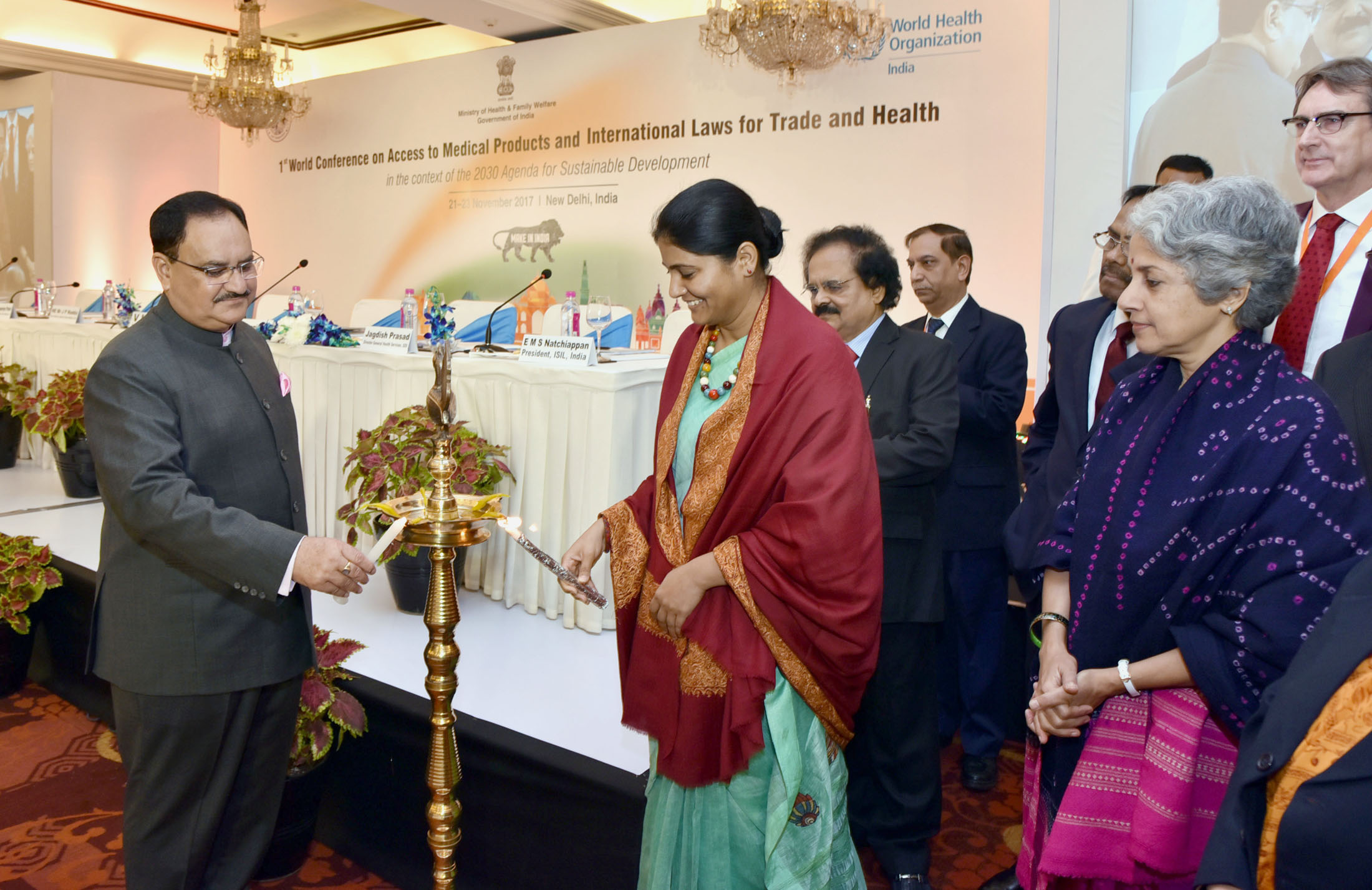
NEW DELHI -- Few topics in the global health agenda are as contentious as access to affordable medicines and medical care, and expectedly, divergent views permeated the discussions at a high-level conference in New Delhi, India last week. But if there is one thing that the three-day meet made amply clear, it was this: access to affordable healthcare has emerged as a global problem, and an emerging coalition of the like-minded, cutting across the developed and developing countries, is determined to have their voices heard in international policy circles on the issue.

‘The WHO Does Not Have A Board’: New WHO Director Pushes To Make Agency More Efficient

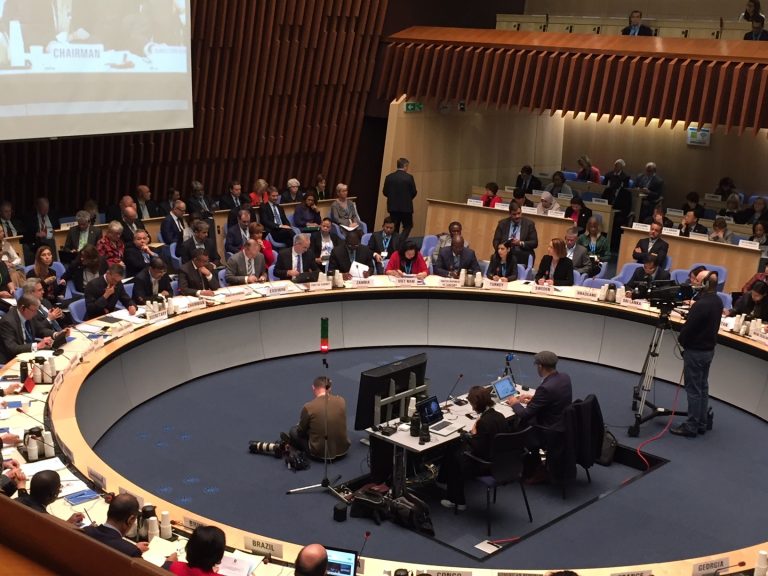
World Health Organization Director General Tedros Adhanom Ghebreyesus (Tedros) admonished member states at the close of this week’s special session of the WHO Executive Board charged with examining the agency’s draft work programme for 2019-2023. A trust deficit among member states leads to the multiplication of national statements, impeding efficiency, he said. Meanwhile, a number of countries called for affordable and accessible medicines, and help to manufacture generic medicines locally, while the United States pushed the role of the private sector.

WHO Members Delve Into Draft 5-Year Work Programme, Question Finance, Focus

World Health Organization member states’ first reactions to the secretariat-proposed draft work programme for the next five years were mixed this morning. Although many praised the effort and the vision of the programme of work, in particular its alignment with the United Nations Sustainable Development Goals, a number of countries found the programme ambitious without the needed financial backing, and sometimes straying from the core function of the organisation.

First Consultations Held On WHO Pandemic Flu Framework Options

The World Health Organization is consulting member states and stakeholders on the future of its mechanism to help prepare the world for the next influenza pandemic. It is particularly asking whether countries should submit not only the biological samples of their influenza viruses, but also their genetic information through the mechanism. Also in question is whether the mechanism should be extended to cover seasonal influenza. Stakeholders had different views but all questioned the absence of recognition by the WHO of a widely used database currently hosting most of the world’s influenza genetic information.

South Centre: Clear Rules Needed On Biosimilars Equivalence To Help Market Entry, Lower Prices

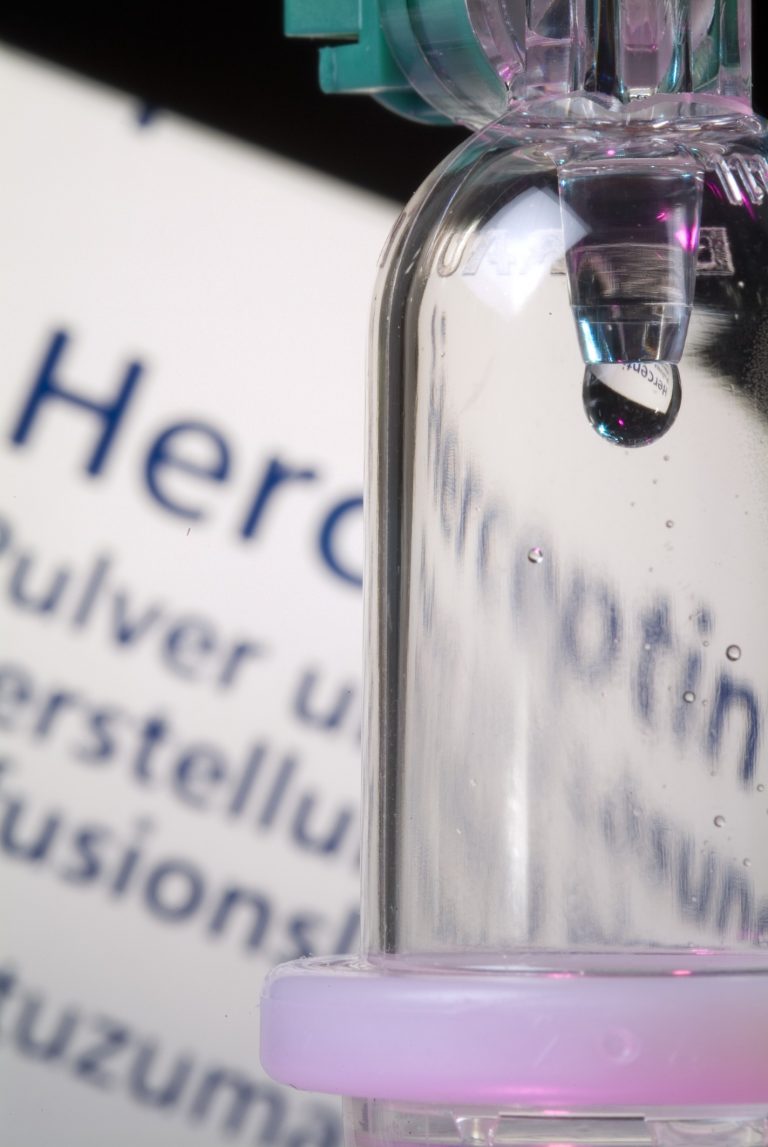
As soon as 2022, biological drugs made from active protein substances are expected to make up 50 percent of the pharmaceutical market, as they are increasingly used to treat a number of illnesses such as diabetes, cancer and hepatitis. But with the high price of therapeutics and difficulty in producing biologically similar products, and with the originator products now coming off patent, regulation is of high importance, says a new report from the intergovernmental South Centre.