Category Technical Cooperation/ Technology Transfer

Industry, Researchers Make Case For Patents And Innovation At WTO
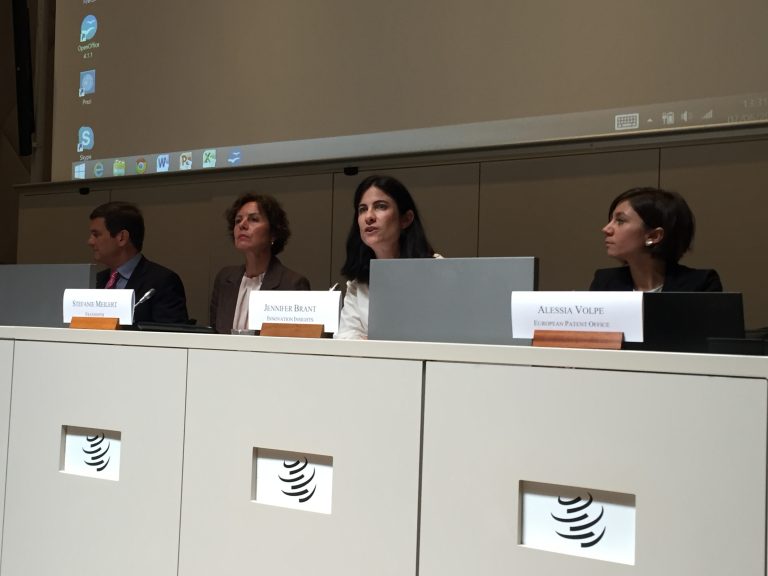
Panellists at a side event this week at the World Trade Organization reminded delegates of the view that patents and a strong innovative environment are key to innovation, and in particular to green technology. A Swiss start-up company developing a…

Rwanda Releases New Tariff Levels On IP, Signs UPOV 91 Biotech Rules

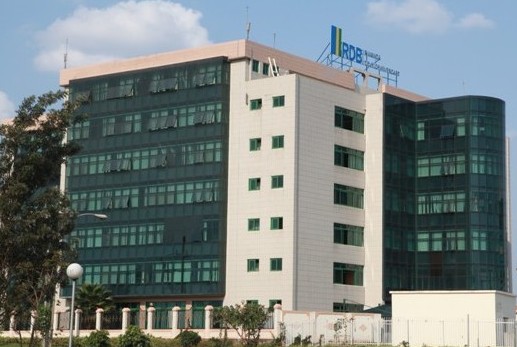
The government of Rwanda has revised the fees and cost to be paid for the registration of different categories of intellectual property rights. The changes mean lower fees for all types of IP rights, and gives more time to oppose registrations. Rwanda also enacted a law on seeds and plant varieties.

Q&A With Erich Spangenberg On Patents And Drug Prices

Prices for drugs have long been a problem for developing countries but now have become out of reach for many in developed countries, sparking policy debates and efforts to address it. One of the top figures in the patent monetization business, industry maverick Erich Spangenberg offers a lively opinion on the underlying problem and how to fix it. To start? Stop granting patent extensions for minor changes.

Sustainable Resources & Green Tech, E-Commerce On TRIPS Council Agenda

The agenda of next week’s meeting of the World Trade Organization council on intellectual property will include an item on sustainable resources and environmental technology, and a proposed discussion on electronic commerce. These are in addition to the usual list of agenda items.

WHO’s Kieny: R&D Resolution ‘An Advance That Shows Strong Recommitment’

World Health Organization members sent a clear signal at the annual Assembly last week when they committed to step up efforts to find ways to fund research into diseases that results in affordable products, according to the top WHO official working on these issues.

WHO Reforms Health Emergency Response But Who Will Pay The Bill?

Two years after Ebola, the World Health Organization continues to push forward with a thorough overhaul of how it responds to health emergencies. These include Public Health Emergencies of International Concern (PHEICs), such as the Ebola and Zika outbreaks, as well as natural diseases, conflicts, refugee crises, and the like.

WHA: Pandemic Flu Preparedness Framework Praised; Vaccine Production Still Short

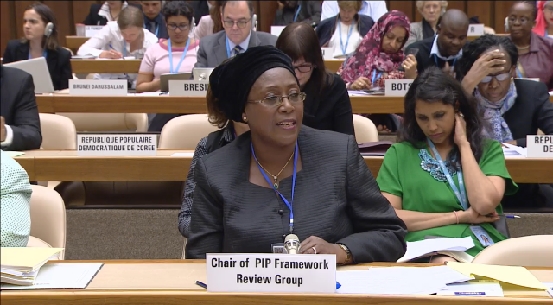
Adopted five years ago, the World Health Organization Pandemic Influenza Preparedness (PIP) Framework is currently undergoing its first review. Member states gathered in committee at the World Health Assembly yesterday mostly expressed support for the framework, and took note of a report by the WHO secretariat.

G7, In Japan, Put Their Heads Together Over Crises

Eight ministerial meetings have prepared a fat stack of paper, the “sherpas” have nearly concluded their work, and civil society once more has passed its own resolution on how they propose to tackle the most daunting global problems. Now it's time for the G7 leaders' roundtables – and the photo ops in Ise-Shima, Japan. For two days, the heads of state of Canada, France, Germany, Italy, Japan, the United Kingdom and the United States will talk on trade, foreign policy, climate change and energy. And maybe some digital, R&D and intellectual property issues.

Innovation And Access: Fission Or Fusion? Interview With Tim Wilsdon, CRA Vice President

In the light of the UN High-Level Panel on Access to Medicines, this series of sponsored articles challenges experts to give their views on the policies that best support the development of solutions to societies’ greatest challenges and how enabling policy environments, including IP systems, influence the development and flow of new technologies and services in different sectors, fields of technology, and jurisdictions. The views expressed in the articles are those of the authors. Below is an interview with Tim Wilsdon, Vice President, CRA.

2016 ‘Most Important Year For Antimicrobial Resistance In Our Lifetime’ – WHO Official

This year is profoundly important in humanity’s future ability to stave off resistance to antibiotics and other medicines, a top World Health Organization official said on the eve of this week’s annual World Health Assembly.