Category WHA 2016

WHA Gets First UN Framework Managing Non-State Actors; Countries Satisfied, Actors Concerned

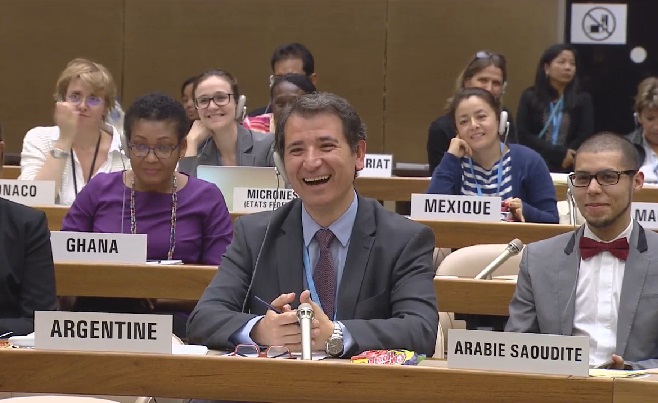
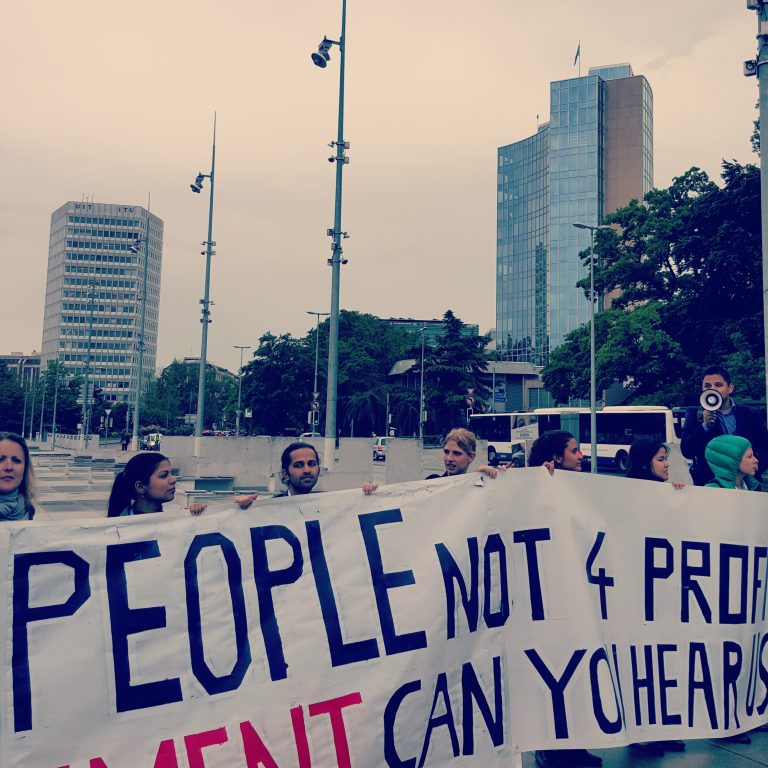
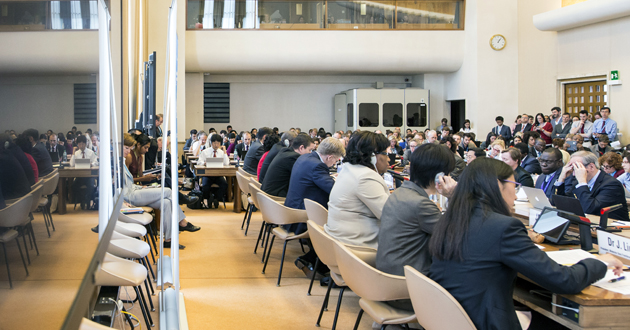
The first agreement on how to manage relationships between a United Nations organisation and non-governmental actors, such as industry, philanthropic organisations and public interest groups, was adopted on 28 May by the World Health Assembly. The framework, which had been discussed for several years, was hailed as historic by many countries, but met a mixed reaction from those primarily concerned.

WHO Drafting Group Agrees Resolution On Health R&D

A closed-door drafting group this evening arrived seemingly easily at agreement on a resolution on broadening work on new ways to fund research and development into medical products, according to participants. The agreement includes the creation of a new expert committee on health R&D, and asks for a WHO proposal on a pooled fund, they said. [Update: draft text now available]

WHO Reforms Health Emergency Response But Who Will Pay The Bill?

Two years after Ebola, the World Health Organization continues to push forward with a thorough overhaul of how it responds to health emergencies. These include Public Health Emergencies of International Concern (PHEICs), such as the Ebola and Zika outbreaks, as well as natural diseases, conflicts, refugee crises, and the like.

Against Microbial Resistance Peril, WHA Delegates Discuss Global Solutions, Approve Report

According to a new report, by 2050, some 10 million lives could be lost a year due to antimicrobial resistance. This is an issue which has been central to this year’s World Health Assembly, and is of global consequence. Delegates gathered for the occasion noted a report by the World Health Organization secretariat on the global action plan on antimicrobial resistance adopted last year and options to develop a global stewardship framework to try to limit the use of antibiotics and develop new ones.

Shift In Discussions About R&D At This Week’s World Health Assembly

Public health advocates - and many nations - had high hopes that this year's World Health Assembly could finally agree on some alternative ways to fund research and development that leads to affordable medical products by de-linking R&D costs from prices, through the long-awaited discussion of a landmark 2012 report of a WHO expert group on medical R&D. This week, that discussion has spread across the highest profile topics of the week such as antimicrobial resistance and emergencies, but some are concerned that the public health safeguards recommended by the expert group may be being left behind.