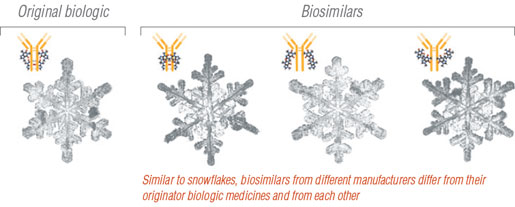
IP Clauses In FTAs Should Not Go Beyond TRIPS, Generics Manufacturers Say
Free trade agreements should include incentives for generic and biosimilar medicines, speakers said at a panel during the World Trade Organization Public Forum last week.

Original news and analysis on international IP policy
Free trade agreements should include incentives for generic and biosimilar medicines, speakers said at a panel during the World Trade Organization Public Forum last week.
Among the many topics at last week’s World Trade Organization Public Forum were panels on o partnerships and on digital trade. This article takes a brief look at two of the panels that touched on intellectual property rights.

KAMPALA, UGANDA - The pharmaceutical industry in the East African Community is approaching a higher level of production quality and manufacturing practices. To benefit the industry and increase access to medicines, stakeholders are working towards a united regulatory policy framework aimed at harmonising industrial, health and regulatory policies.

The smartphone is one of the most ubiquitous inventions in contemporary life. Ask anyone from teenagers to senior citizens – in industrialized countries, as well as emerging markets – about the wireless ways of their life, and they will tell you this. But what is the economic impact of mobile? That is not as obvious, writes Antonio Varas.
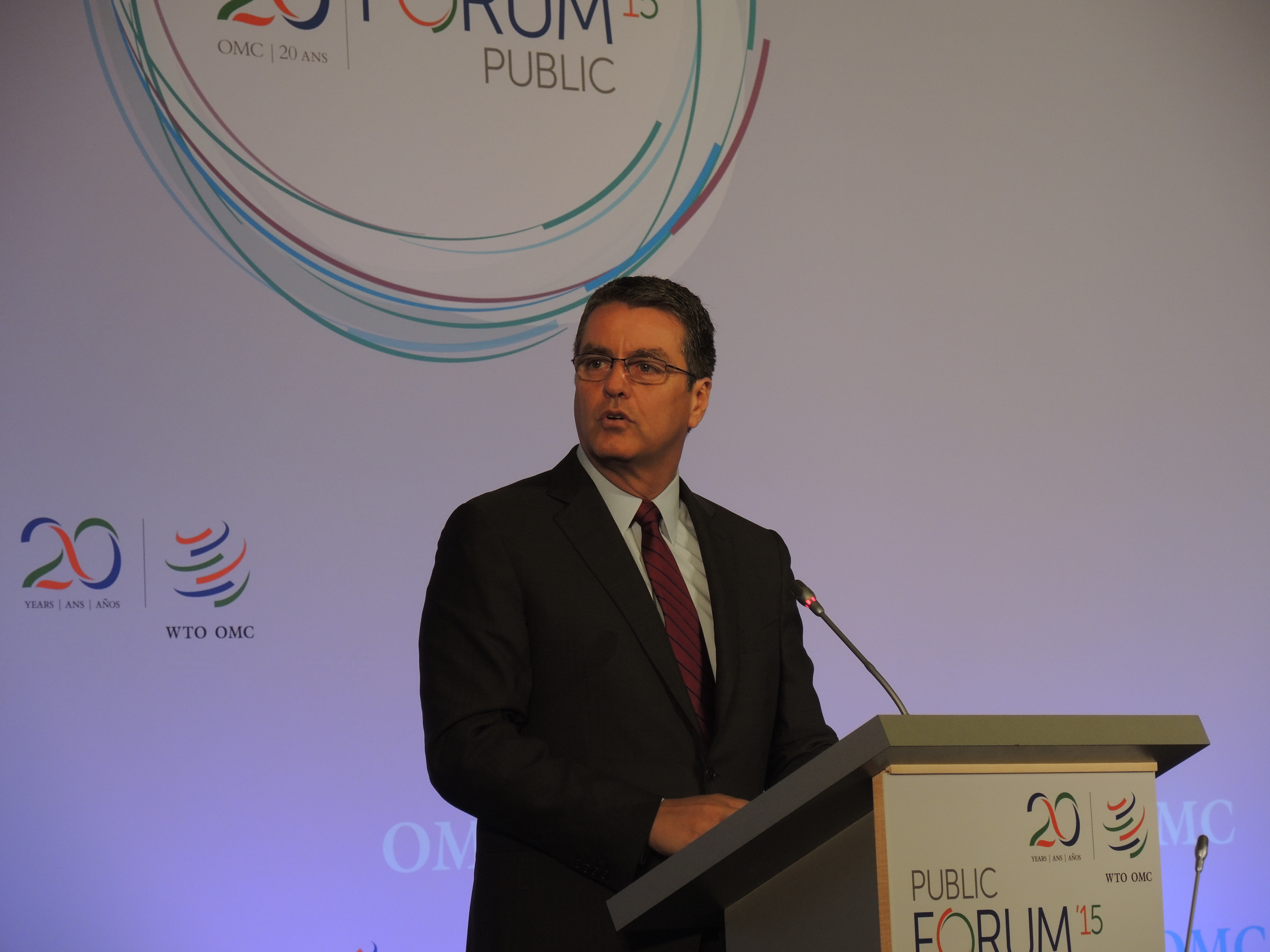
The annual World Trade Organization Public Forum opened today with a plenary session on making trade work more inclusively. The Doha Round, agriculture, and environmental technologies were part of the conversation.

The 2030 Agenda for Sustainable Development, to be adopted this week at UN Headquarters, could fall short of its health targets unless the governments embark on “U-turn” changes to rectify the dysfunctions in global governance that undermine health, writes Daniele Dionisio.

NEW YORK – As some of the most powerful people on earth prepare to gather here later this week at the United Nations to discuss the biggest problems and opportunities facing humankind for the next 15 years, mention of a key issue underlying many themes – intellectual property – is hard to find. Also hard to find is reference to the UN agency responsible for the issue, the World Intellectual Property Organization.
A new paper by a Norwegian researcher finds that recent legislation efforts on plant variety protection in Africa go beyond the requirements of the International Union for the Protection of New Varieties of Plants (UPOV).
After four years of talks, committee members at the World Intellectual Property Organization have agreed on a definition for what constitutes an expenditure on development in the UN agency.

Several leading public health groups have sent a letter to United States Trade Representative and US Patent and Trademark Office director asking for more transparency on the US position on a request by least-developed countries to indefinitely extend their World Trade Organization intellectual property waiver on pharmaceutical products.
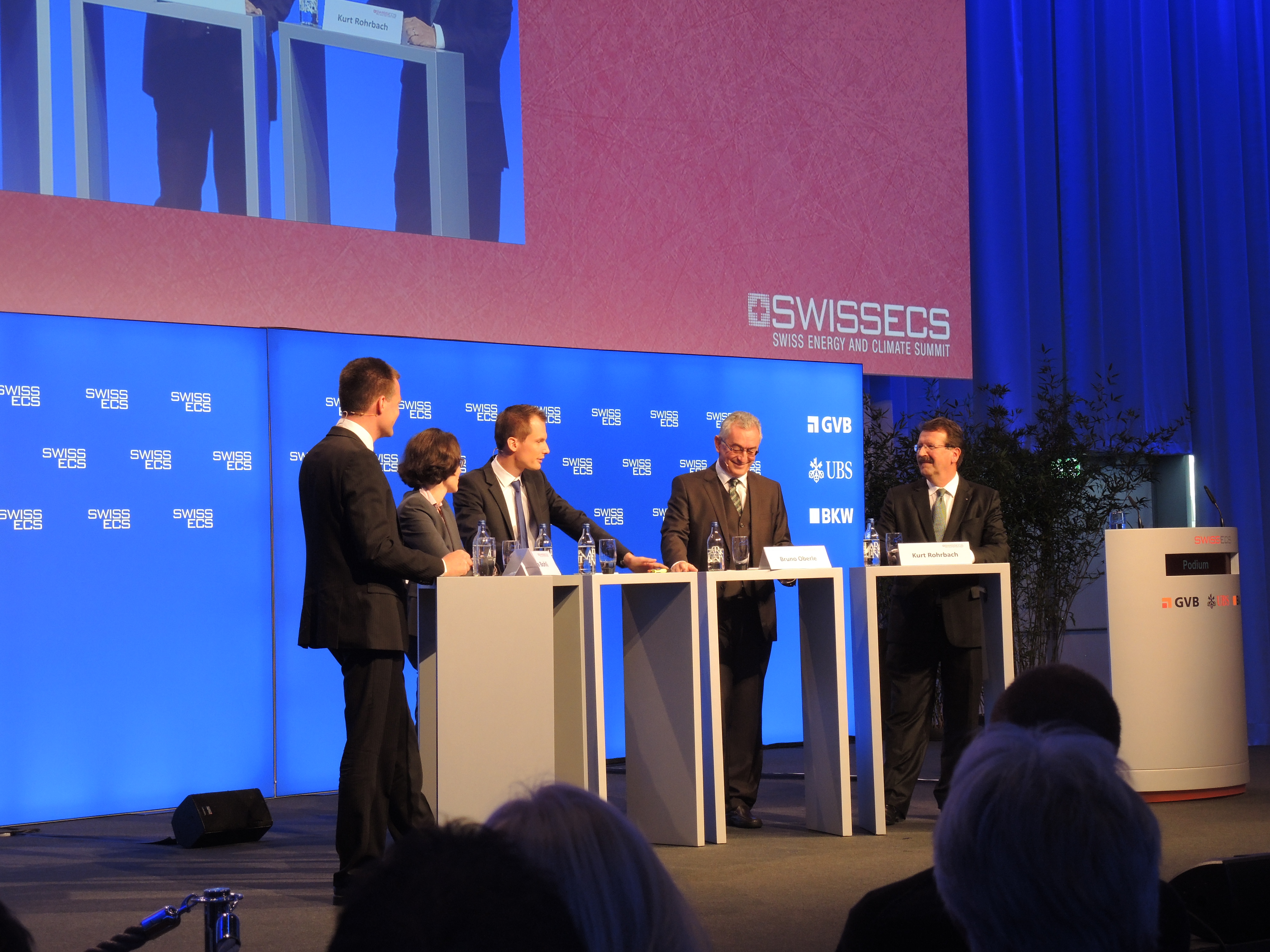
BERN – Everybody knows how annoying it is to run out of battery power for mobile devices. In the same way, storing energy is a continuing issue for renewable energy due to its non-continuous nature. A number of innovations presented at this week’s Swiss Energy and Climate Summit in Bern sought to address that problem.
The yearly event invites Swiss and international speakers to put forward the latest in technology. And according to some participants from start-ups, intellectual property is key, but their IP strategy relies more and more on both patents and trade secrets.

Many developing countries lack enough human resources with the necessary skills to access patent information. Although patent documents are often unintelligible, strengthening the ability to search them in databases could help reduce information asymmetries in developing countries, Luis Gil Abinader writes.