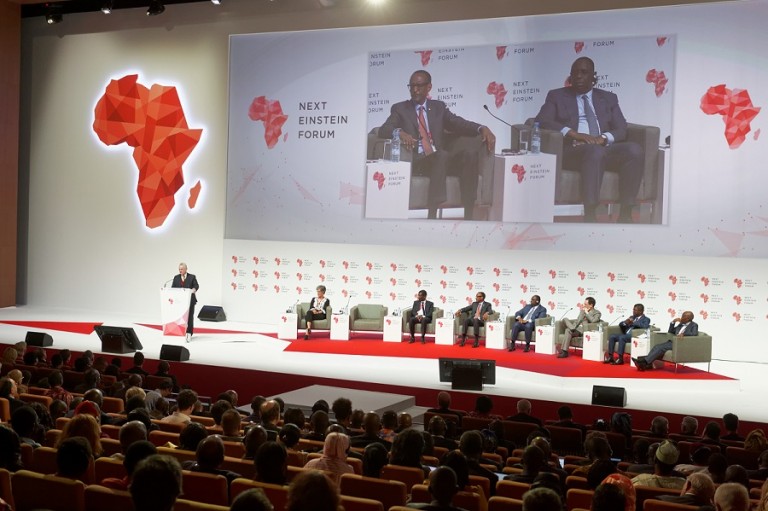
African Tech Start-Ups Face Many Challenges
DAKAR, Senegal – Rachel Sibande won accolades when she started Malawi’s first ever technology start-up mHub in 2013.

Original news and analysis on international IP policy
DAKAR, Senegal – Rachel Sibande won accolades when she started Malawi’s first ever technology start-up mHub in 2013.

Public health advocates, academics, patients, governments and others this week presented further ideas to the United Nations Secretary-General’s High-Level Panel on Access to Medicines on ways to break the longstanding pattern of expensive medical products around the world as a way to pay for research and development.
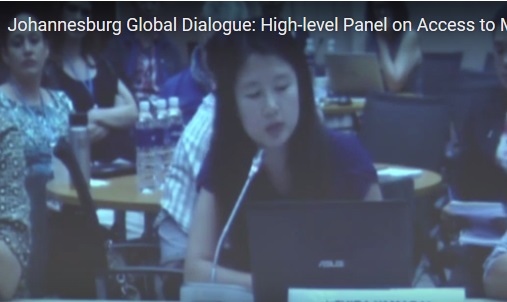
Speakers from Asian civil society provided recommendations to the public hearing of the United Nations Secretary General’s High-Level Panel on Access to Medicines held yesterday. They underlined the unaffordability of medicines in their countries, the inefficiency of current mechanisms such as voluntary licensing, and the pressure applied by pharmaceutical companies and the United States and Europe to prevent the use of compulsory licences. One speaker warned against the expert advice given by the World Intellectual Property Organization to least-developed countries, while others pointed to stringent intellectual property measures in free-trade agreements.
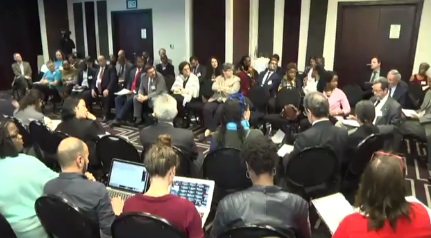
Today in Johannesburg, South Africa, the second of two public dialogues was held by the United Nations Secretary General’s High-Level Panel on Access to Medicines, drawing another packed room and many ideas, experiences and suggestions for solutions.
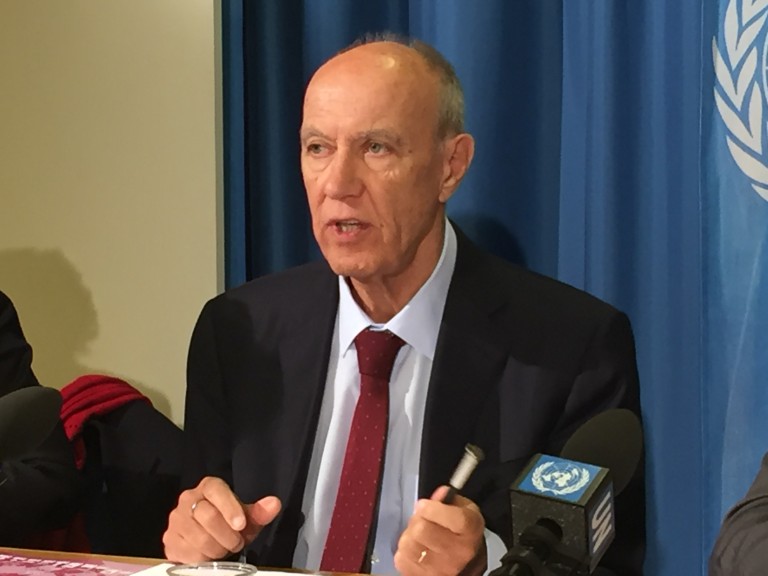
China, Japan and South Korea are among the top five countries filing international patent applications at the World Intellectual Property Organization, while the United States continues to lead in patent and trademark applications. Far behind, developing countries seem to be having a hard time catching up.

The Ukrainian Parliament is currently drafting an amended Customs Code to introduce a number of changes to the country’s intellectual property legislation. Moreover, in mid-March, local lawmakers authorised Ukraine’s President Petro Poroshenko to ratify the protocol amending the TRIPS agreement which enables increased exports of pharmaceuticals produced under compulsory licences to countries which are not capable of manufacturing them locally.
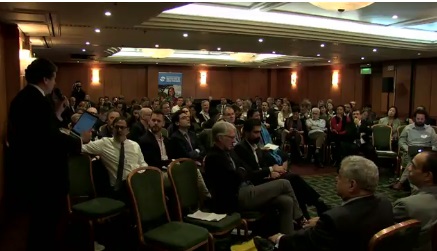
An initiative of the United Nations secretary general yesterday gathered what could be described as an assembly of many of the world’s best thinkers and practitioners on public health and intellectual property rights. Industry, activists, academics, international organisations, and possibly some governments poured out their views for nearly seven hours – at times coming to tears and tension – shepherded by an astute moderator, as they responded to the call to take a longstanding debate on medicines access and high prices to a breakthrough.
The United Nations Secretary General’s High-Level Panel on Access to Medicines is holding a global dialogue this month, attended by governments, civil society, industry and academia, to discuss potential solutions to promote innovation and at the same time increase access to medicines. The first public dialogue session is this week, on 10 March in London.
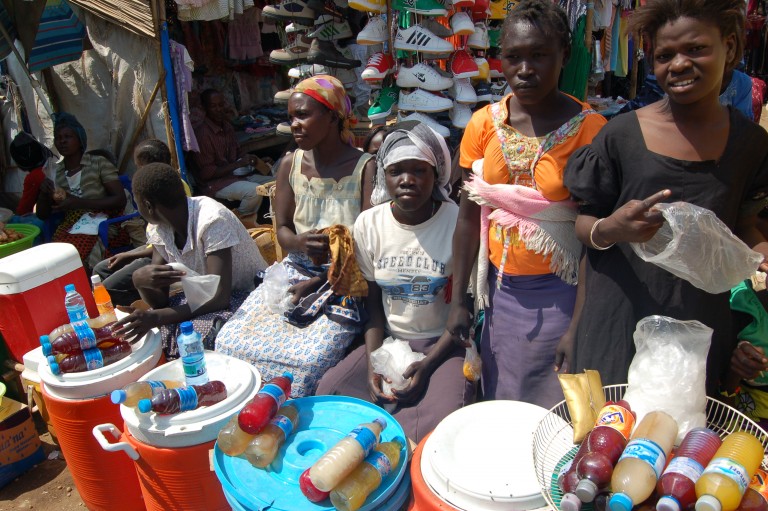
NAIROBI, Kenya -- Experts and activists are raising concern over the lack of proper intellectual property laws in South Sudan, as the world’s newest nation’s admission into the East Africa Community (EAC) spurs anticipation of increased investment.
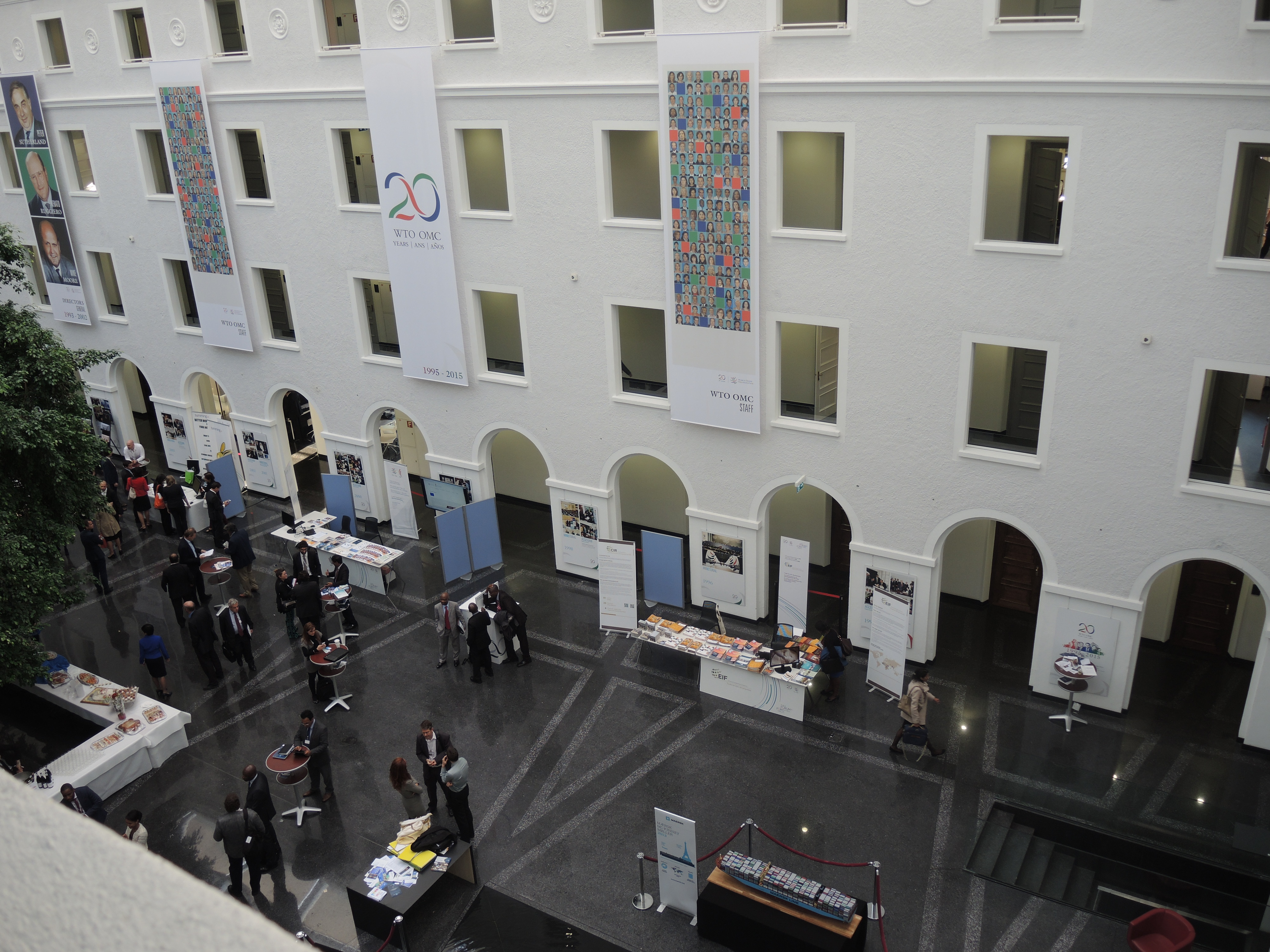
Discussions on the worth of intellectual property for innovation and development have been a recurring agenda item during recent meetings of the World Trade Organization committee on intellectual property. This week, education and how it can raise awareness of IP was discussed with WTO members presenting their national experiences, and some developing countries warning against colluding IP and innovation.
The World Health Organization has announced it will hold a closed-door, three-day consultation with key stakeholders next week in Geneva to discuss the current status of clinical research into the Zika virus.

KAMPALA, Uganda -- An Ebola vaccine trial is underway in Uganda, as the global search for an effective vaccine continues. The vaccine candidate was co-developed by the National Institute of Allergy and Infectious Diseases (NIAID), part of the United States National Institutes of Health (NIH), and GlaxoSmithKline (GSK), a United Kingdom-based pharmaceutical company.