Category Technical Cooperation/ Technology Transfer

WIPO Training In Africa: Brand SMEs’ Products To Exploit Innovation And Commercialization

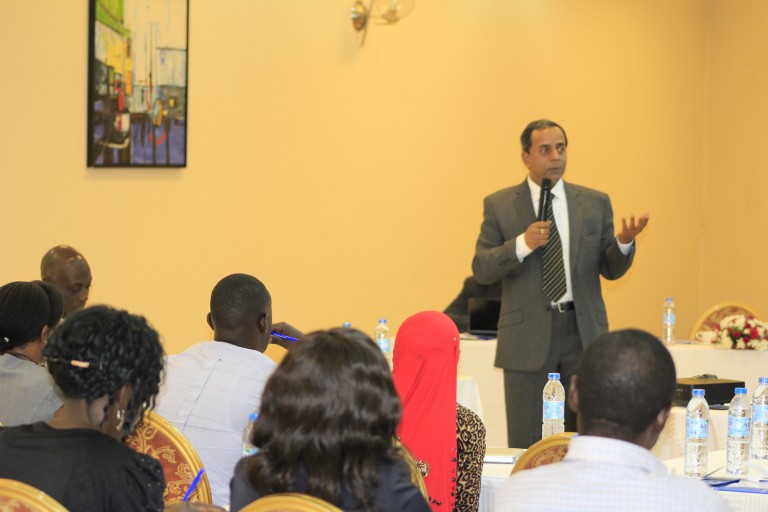
KAMPALA, Uganda - Small and medium enterprises in Uganda should brand their products with geographical indications and collective marks to gain competitive advantage. This was one of the messages during a recent World Intellectual Property Organization event entitled, Advanced Training of Trainers Program on Effective Intellectual Property Asset Management by Small and Medium-Sized Enterprises, (SMEs). The training took place in Kampala, Uganda on 8-10 December.

How To Manage Patent Costs With Quality Applications, Accurate Translations

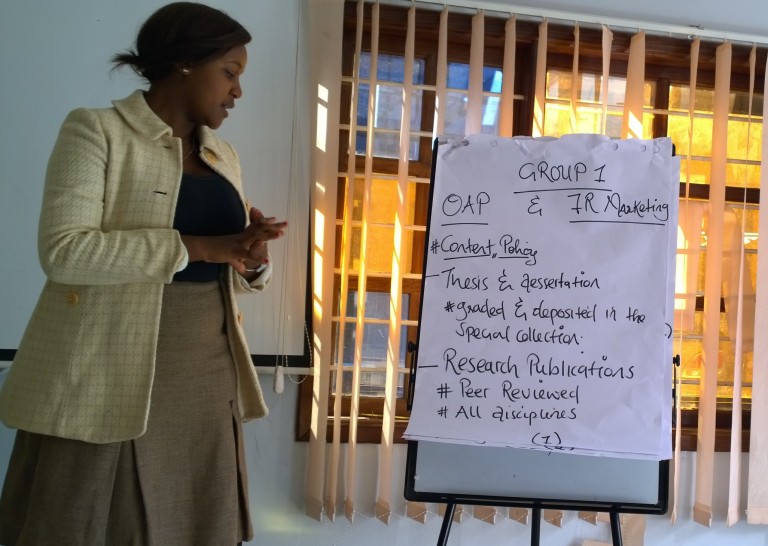
The number of patent applications filed worldwide continues to increase, up by 4.6 percent in 2014 for a total of nearly 2.7 million, according to the 2015 edition of the World Intellectual Property Indicators. The increasing number of patents filed worldwide demonstrates the strength of ongoing innovation and the value companies put on protecting their intellectual property where they wish to do business. The filing numbers would likely be even higher, and across more countries, if the filers were more prepared for the costs associated with filing patents.

Kenya Takes Steps To Enhance Intellectual Property Awareness

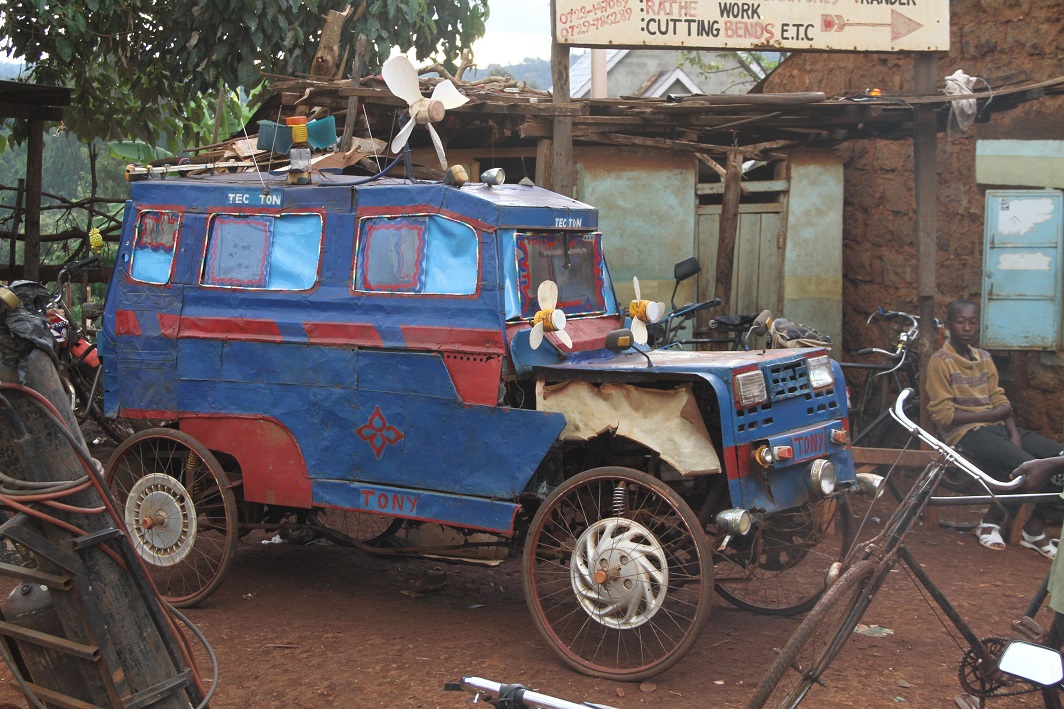
NAIROBI, Kenya -- The government of Kenya has inaugurated a board to steer the Kenya National Innovation Agency (KNIA), which is charged with increasing awareness of intellectual property rights among investors, universities, research institutions and the general public. The move comes as experts have offered gloomy views on the IP situation in Kenya and elsewhere in Africa.

WSIS+10: Roles, Responsibilities Remain Hot; Cybersecurity Treaty Demanded By Many States

Between a lot of applause this week for the first post-WSIS (World Summit on the Information Society) decade and especially for the negotiated agreement for the coming 10 years, some cracks appeared. These tell how differently regions still view roles and responsibilities for critical infrastructure management, and also the discrepancy between declaration and deployment of principles of the information society. In a notable statement, Mitchell Baker, chair of the Mozilla Foundation, warned that governments still have to learn how to govern the connected.

UN Launches High-Level Panel On Access To Medicines

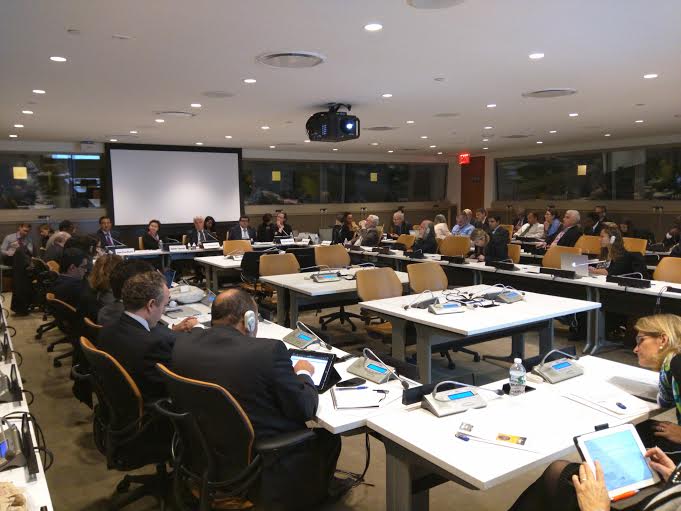
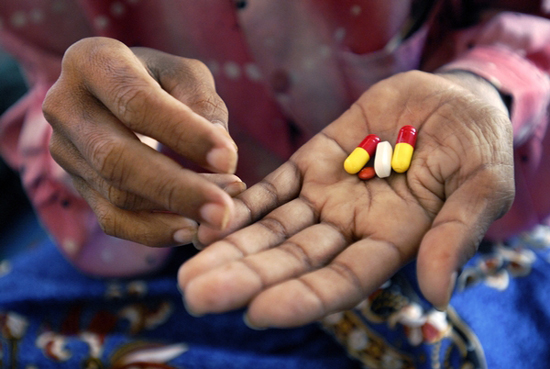
A United Nations high-level panel of experts has set a process in motion to find solutions to increase access to medicines. Following its first meeting last week, the panel will call for proposals to recommend solutions that can promote innovation, but preserve human rights and public health interests.

Report: Ebola Distracted Global R&D Funding For Neglected Diseases; Public Funding At Low

A newly issued report provides the “first ever” picture of global investment in Ebola research and development. The report found that investment in Ebola might have come at the expense of other funding to develop drugs, vaccines and diagnostics for other neglected diseases. The report also found that public funding on research and development for neglected diseases was at its lowest in years.

The Anniversary The World Trade Organization Would Rather Forget

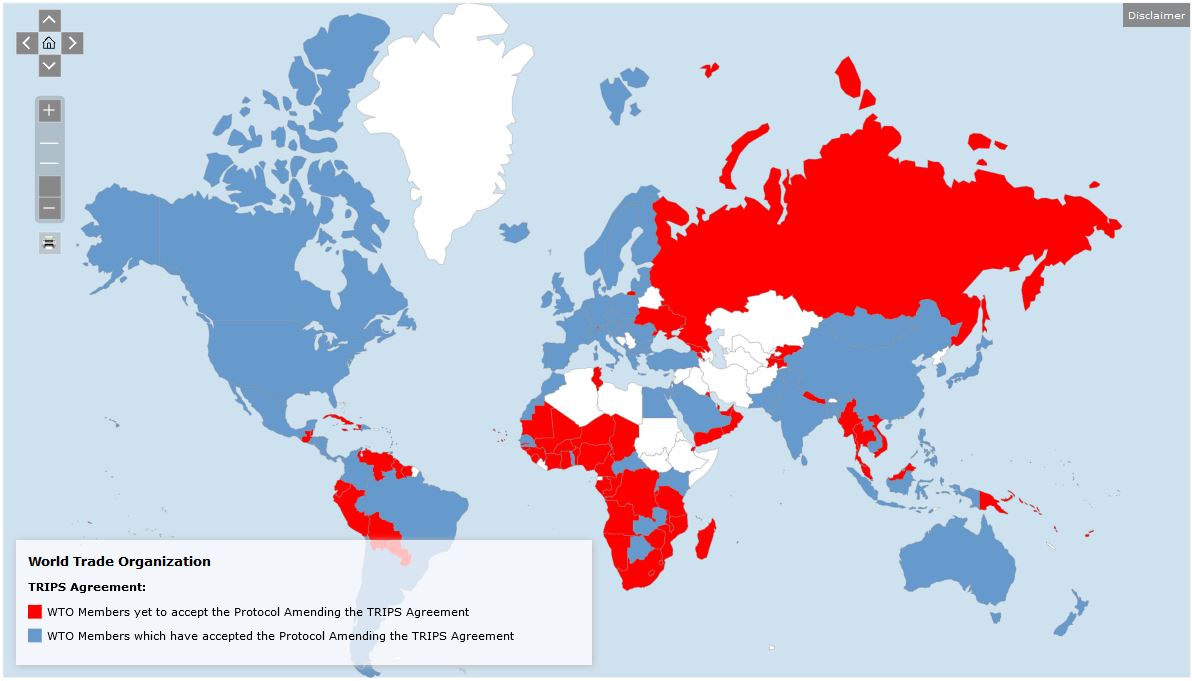
The World Trade Organization (WTO)’s 20th anniversary celebrations are about to reach a climax with the 15–18 December Nairobi Ministerial Conference — the first to be held in Africa — following a celebratory Public Forum in Geneva in October. Just over a week before Nairobi, another anniversary is slipping by almost unnoticed. Today, December 6, is the 10th anniversary of a decision that the Director-General at the time, Pascal Lamy, hailed as confirmation “once again that members are determined to ensure the WTO’s trading system contributes to humanitarian and development goals.”

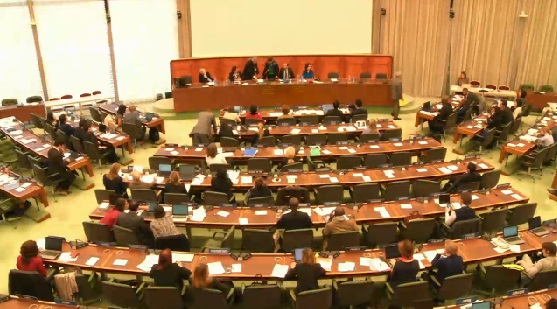
No Future Work Programme For WIPO Patent Law Committee; Questions On Development Orientation

Two days of informal consultations last week did not bring World Intellectual Property Organization members to agreement on a work programme for the next session of its committee on the law of patents. Developed and developing countries have different views on the work of the committee, with developing countries seeking work on patent on health, and limitations and exceptions to patent rights, while developed countries are more interested in work-sharing between patent offices and protecting the confidentiality of information between patent advisers and their clients.