Category IP Law

Morrison & Foerster’s 2018 Predictions On Intersection Of Technology And Law—From Web Scraping To Blockchain

From the Morrison & Foerster Socially Aware blog: Happy 2018 to our readers! It has become a Socially Aware tradition to start the New Year with some predictions from our editors and contributors. With smart contracts on the horizon, the Internet of Things and cryptocurrencies in the spotlight, and a number of closely watched lawsuits moving toward resolution, 2018 promises to be an exciting year in the world of emerging technology and Internet law.
Japan Patent Office Invalidates The Word Mark “Bord’or” In Relation To Bordeaux Wines

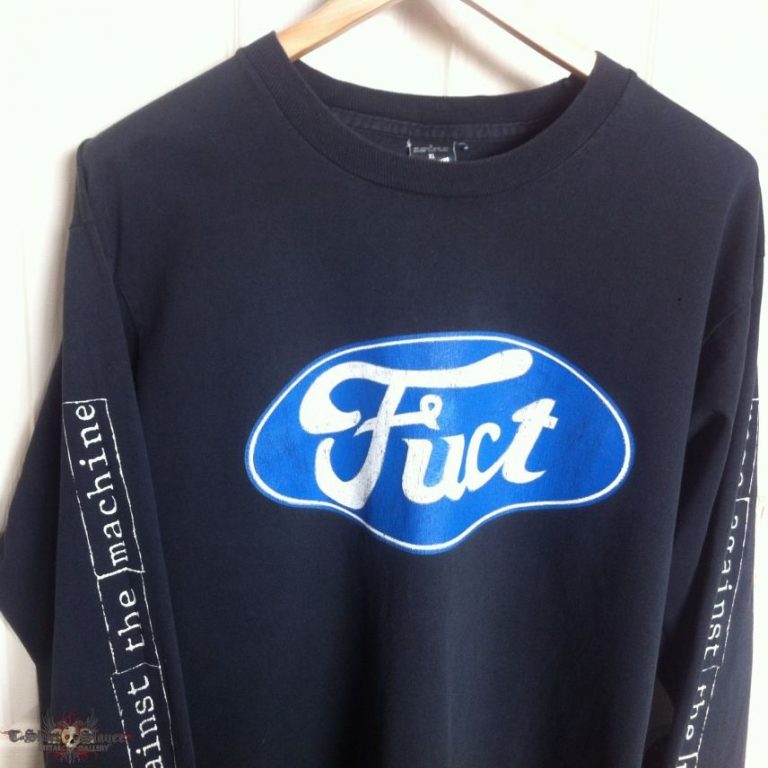
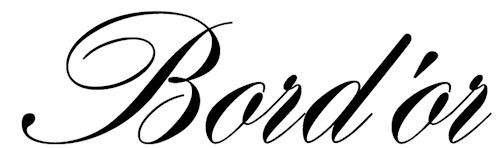
In a decision in an invalidation trial jointly claimed by INSTITUT NATIONAL DE L’ORIGINE ET DE LA QUALITE and CONSEIL INTERPROFESSIONNEL DU VIN DE BORDEAUX, the Invalidation Board of Japan Patent Office (JPO) ordered the invalidation of trademark registration no. 5737079 for a word mark “Bord’or” in script fonts (see below) in violation of Article 4(1)(vii) of the Trademark Law, writes Masaki Mikami.

US IP Law – A Look At The Year Ahead

In the coming year, one US Supreme Court case promises to dominate developments in America’s IP law. The upcoming decision in Oil States Energy Services v. Greene’s Energy Group could have major ramifications for patents, copyrights, trademarks, and the USPTO. But even as that case steals the limelight, 2018 could bring other significant changes to America’s IP law. Here are some of the key developments to watch for.

Top IP-Watch Stories Of 2017: What Do They Tell Us About Multilateral IP Policy?

What IP-Watch stories were readers reading most in 2017, and what does it say about the state of global intellectual property policy? In this article, we look at the most-trafficked stories of last year, and make a few assumptions. Asia, Europe, trade, health. These were the top targets of interest to readers among our offerings. Interestingly, despite all the sound and fury in Washington, our coverage there was not at the top of the list. Even more interestingly, neither was our extensive and world-leading coverage of the World Intellectual Property Organization.

US Court Strikes Down Bar On Scandalous Trademarks

Yet another part of US trademark law is dead. On Friday, a US appellate court struck down a statutory provision that prohibited the registration of immoral or scandalous marks. The decision was almost inevitable, after a recent Supreme Court ruling applying the US Constitution’s free speech guarantees to trademark law. And it is likely to be followed by further successful court challenges to America’s trademark law.

Obviousness In The Wake Of Arendi

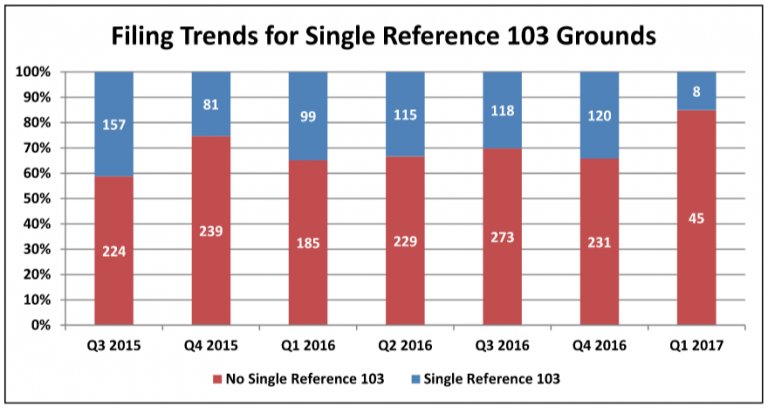
Since the U.S. Court of Appeals for the Federal Circuit issued its opinion in Arendi S.A.R.L. v. Apple Inc. last August,[1] many patent commentators have asserted that the decision marked a significant change in the analysis of obviousness under 35 U.S.C. § 103, especially as a weakening of single-reference obviousness grounds. Notwithstanding this decision, petitioners and the Patent Trial and Appeal Board have continued to rely on single-reference obviousness to assert and find that claims are obvious, write Amy Simpson and Kyle Canavera.

Must All Foreigners Online Comply With US Copyright Law? (Part 2 of 2)

A case now before the DC Circuit Court of Appeals, Spanski Enterprises v. Telewizja Polska, creates a legal dilemma. The court needs to find Telewizja liable for copyright infringement, or else the court will create a roadmap for pirates, enabling them to stream copyrighted works into the US with impunity. But if the court finds Telewizja committed infringement simply because the Polish company put online works that could be accessed in the US, the court will apply US copyright law in an extraterritorial manner that will create problems around the globe.

Retransmissions Of TV Shows From Cloud Services Need Copyright Owner’s Consent, EU High Court Rules

VCAST, a UK company that makes available to its customers internet retransmissions of Italian television programmes stored in the cloud, must obtain right holders’ consent first, the Court of Justice of European Union (CJEU) ruled on 29 November.

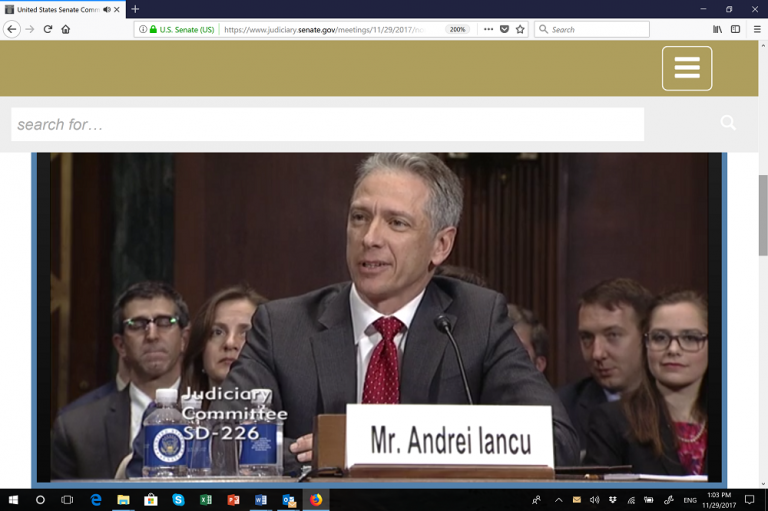
USPTO Director Nominee And IP “Evangelist” Iancu Could Get Committee Approval By January

President Trump's nominee to be the next director of the United States Patent and Trademark Office (USPTO), Andrei Iancu, could receive Senate committee approval by the holidays if things line up just right. If appointed, he told a nomination hearing today that he would "evangelize" the IP system and make possible reform of the patent review process a high priority.