Category Innovation/ R&D

AbbVie Hepatitis C Treatment Patents Challenged In India For Evergreening

The Initiative for Medicines, Access & Knowledge (I-MAK) and the Delhi Network of Positive People (DNP+) filed an opposition with the Indian Patent Office in Delhi on 21 July to prevent the granting of a patent to AbbVie on pibrentasvir, which forms part of Mavyret, their drug used to treat Hepatitis C, according to a press release.

UN Political Declaration On TB Finalised: No Commitment To TRIPS Flexibilities

Members of the United Nations concluded negotiations on the draft of the Political Declaration on the Fight Against Tuberculosis on 20 July. After weeks of heated negotiations over the inclusion of references to TRIPS flexibilities in the operative paragraphs, with the Group of 77 pushing for inclusion and the United States against it, the final text of the political declaration reflects the deadlock of these positions. Due to the inability of member states to reach agreement, the final text does not include substantive reference to TRIPS flexibilities.

If no countries object, this final draft of the Political Declaration on TB will be adopted by the General Assembly at the High-Level Meeting on Tuberculosis, which will take place on 26 September at the United Nations in New York, and will serve as the authoritative agreement from which action plans will be drawn. According to sources, countries have until tonight in New York to decide whether to object, and G77 nations are considering their options.

Native Tribes Can’t Shield Patents From USPTO Review

The strategy was breathtaking in its boldness. Just days before the USPTO was to hear a challenge to Allergan Inc.’s patents on a dry-eye drug, Restasis, the company transferred those patents to a Native American tribe; the tribe then sought to dismiss the USPTO proceedings by asserting sovereign immunity. Following this action, a number of other patentees made similar transfers to Native tribes, in order to protect their patents. More patentees were poised to do so, should this ploy prove effective. It, however, did not. On 20 July, the Federal Circuit Court of Appeals ruled the tribe’s sovereign immunity did not protect its patents from USPTO review. The ruling thus kept intact a key component of America’s patent system.

WIPO Looks At Importance Of Standards Documents, Collaboration Of IP Offices And Standards Organisations

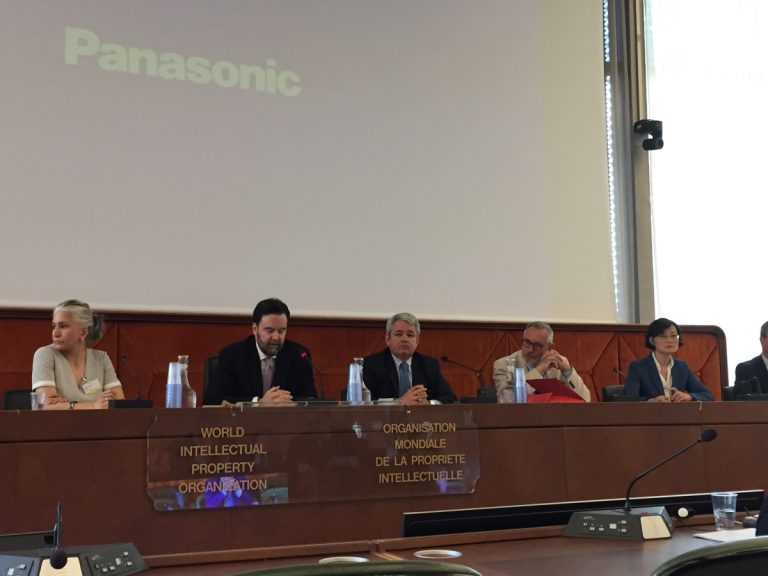
Common standards are essential for technologies, particularly for interoperability. However, a number of technologies essential to standards are patented, which has created issues relating to licensing or high royalties. Last week, the World Intellectual Property Organization organised an information session on patents and standards, including aspects of patent quality, issues relating to international trade, and the role of the organisation in facilitating the relationship between patents and standards.

Global Innovation Divide: Can Investment In Innovation Bridge The Gap?

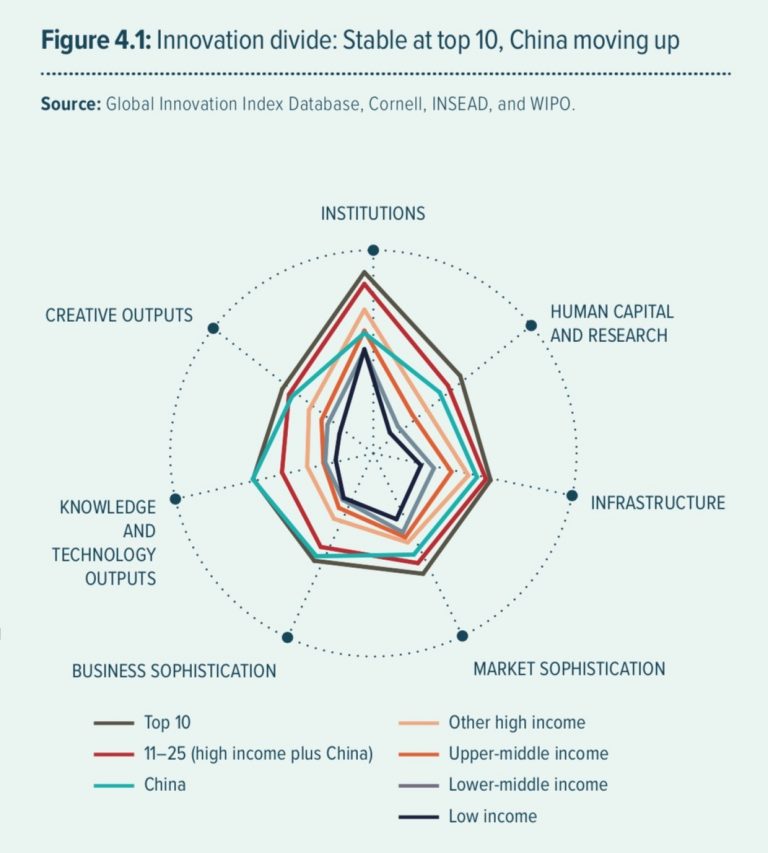
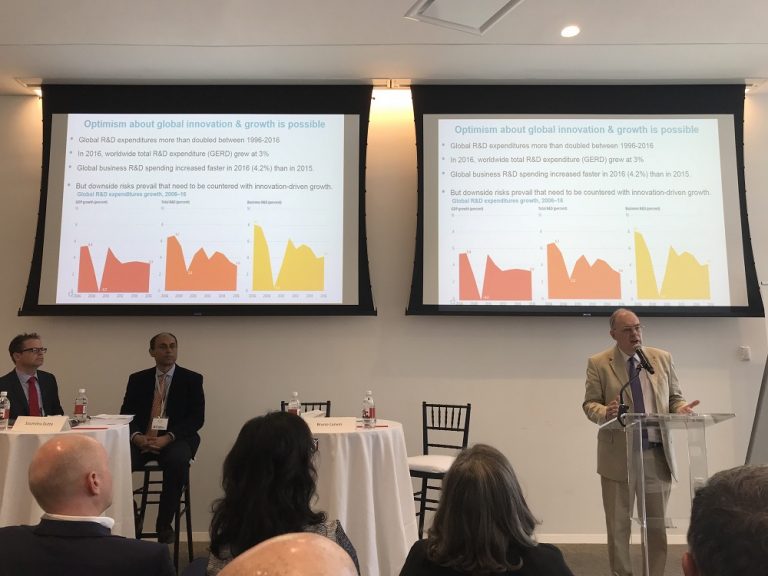
The Global Innovation Index 2018, launched on 10 July in New York, has lauded the rise of China as a model for how other low and middle-income economies can advance on innovation. Amid this optimism, however, the global innovation divide remains in step with the global income divide, raising questions for how to bridge this gap. The new index shows signs of progress.

(Video) Europe’s Innovation Renaissance, China’s ‘Astonishing’ Rise: Global Innovation Index 2018

European countries led by Switzerland are experiencing an "innovation renaissance," this year's Global Innovation Index shows, while the scale of China’s rise in the index is “quite astonishing,” Sacha Wunsch-Vincent, senior economic officer at the World Intellectual Property Organization, says in a short video interview with Intellectual Property Watch.

Balance Achieved In Future Work For WIPO Patent Law Committee, Delegates Say

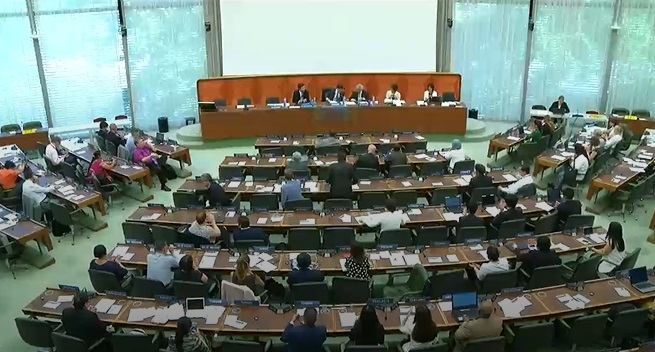
The last World Intellectual Property Organization committee before the summer break ended on a happy note this week. After some time spent tweaking the future work of the WIPO committee on the law of patents, delegates appeared satisfied with the balance achieved. The week saw plans for conferences, numerous new proposals and calls for reports, on subjects such as research exceptions, patents and medicines access, compulsory licensing, technology transfer, and patent quality.

Global Innovation Index 2018: China Breaks Into Top 20, US Drops Out Of Top 5

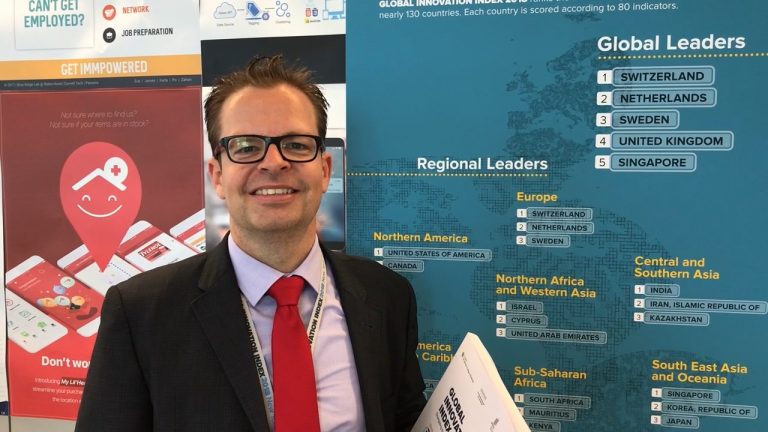
NEW YORK -- The 11th edition of the Global Innovation Index 2018 (GII), co-published by Cornell University, INSEAD, and the World Intellectual Property Organization, was released yesterday at a launch event in New York. This year's report showed Switzerland still at the top overall, China continuing to rise, the United States slipping, and explored how countries can vary on inputs and outputs of innovation.

Monopolies: State And Corporate Interests Surrounding Access To Medicines

Amongst the many issues faced by developing countries to ensure access to medicines, cost is a primary one. Proposals to tackle it include limiting the price and regulating competitive conditions. Monopolies created by patents are seen by many as an impediment to accessing basic healthcare. Meanwhile, countries have realised that imposing stringent criteria for granting patents and taking a long duration to process them could be detrimental to them as much as resisting the regime.

Excessive Pricing And Sham Patent Litigation: The Pfizer And AbbVie Decisions

Frederick Abbott writes: Competition law is a critical tool in seeking to maintain some semblance of reasonable pricing in the pharmaceutical market. It is particularly important as legislators around the world appear extremely hesitant to address pharmaceutical pricing in meaningful ways, regrettably influenced by well-funded lobbying.

Two recent competition law decisions discussed below illustrate the importance of and challenges to regulating the pharmaceutical sector. In the first, the UK Competition Appeal Tribunal (CAT) partially upheld and partially reversed and remanded (pending briefing) a decision by the Competition and Markets Authority (CMA) fining Pfizer and Flynn close to £90 million for abuse of dominant position in the excessive pricing of an anti-epilepsy drug. The CAT decision is problematic because it creates unnecessary and unwarranted hurdles to findings of excessive pricing in the UK. In the second decision, the US Federal Trade Commission succeeds in proving that AbbVie engaged in abuse of monopoly power by engaging in sham patent litigation against two generic producers in order to delay market entry of competitive products. The Federal District Court found that AbbVie’s patent lawyers by “clear and convincing” evidence had knowingly pursued patent infringement claims without chance of success for no other purpose than to delay market entry.