EPO New Policy Brief On Climate Technologies
The European Patent Office today released a new policy brief on climate change mitigation technologies, with a focus on renewable energy technologies, which are on the rise.

Original news and analysis on international IP policy
The European Patent Office today released a new policy brief on climate change mitigation technologies, with a focus on renewable energy technologies, which are on the rise.
Marie-Paule Kieny, fresh out of the World Health Organization, where she held the position of assistant director general for Health Systems and Innovation, will be the new chair of the Medicines Patent Pool, as of 1 September.

The Canadian Supreme Court today upheld a pharmaceutical industry appeal against a tool used in certain cases to overturn patents on products that could be seen as not meriting a patent monopoly. The ruling could effectively block a generic version of a patented drug from being on the market.
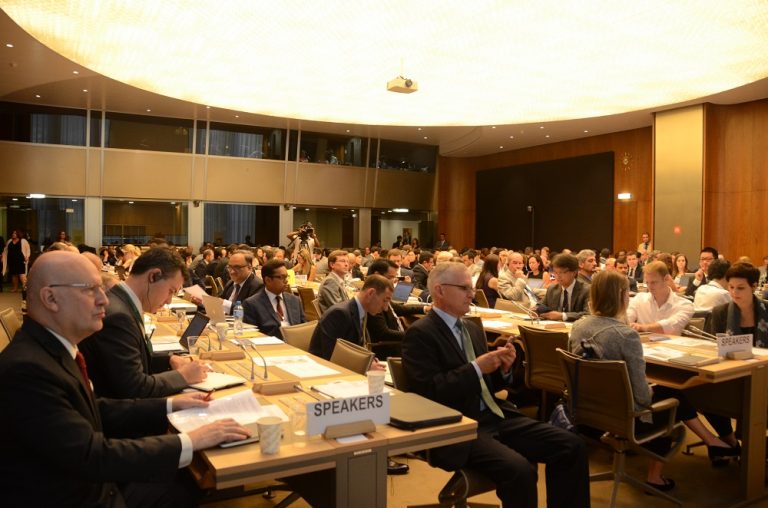
On the occasion of the 20th anniversary of the World Trade Organization Agreement this week, several speakers and delegates called for a further expansion of the landmark deal, possibly in ways that include digital trade and better incorporate developing countries. Many information and communication technology (ICT) products are not part of the list of products under the ITA, speakers said, and negotiations about an expansion of the list of products may take a long time.
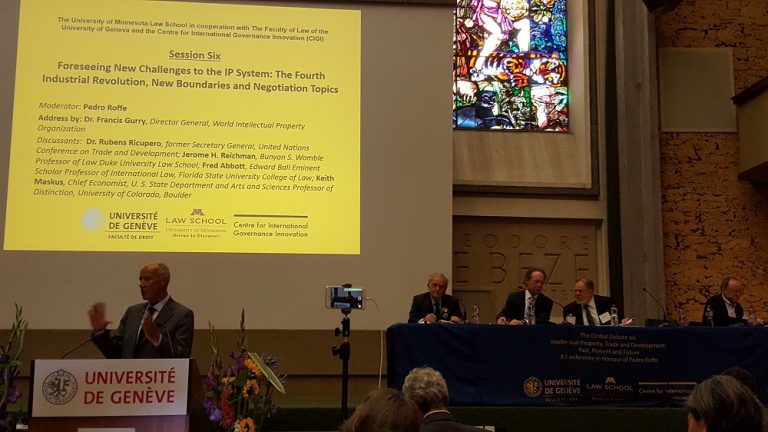
There are still many unanswered questions about intellectual property rights, speakers said during an academic conference last week in Geneva. Think tank analyst and author Pedro Roffe, who was the focal point of the conference, said at the event that there is “particularly in Geneva” place for dialogue about “very important and emerging” IP questions.
"Political and economic pressure placed on governments to forgo the use of TRIPS flexibilities violates the integrity and legitimacy of the system of legal duties and rights created by the TRIPS agreement and as reaffirmed by the Doha Declaration," India told a World Trade Organization committee this week, referring to the WTO Agreement on Trade-Related Aspects of Intellectual Property Rights (TRIPS).
Switzerland, Sweden, the Netherlands, the United States and the United Kingdom are the top five global innovative economies, according to the Global Innovation Index 2017, released today.

Shai Jalfin writes: Conservative projections say that China will surpass the United States as the number one economy in the world by 2030, but the shift could happen as soon as next year. Either way, there’s no doubt that China has emerged as one of the most important commercial economies in the world, and businesses everywhere are vying to enter its market. However, there is a serious hurdle when foreign companies decide to take their products to China – intellectual property rights (IPR), or more accurately, the country’s lack of adequate IP protection. History shows that bringing business to China, while extremely lucrative, has also been extremely risky – but it’s a market that cannot be ignored. Here is a look at the past, present and future of IPR in China.
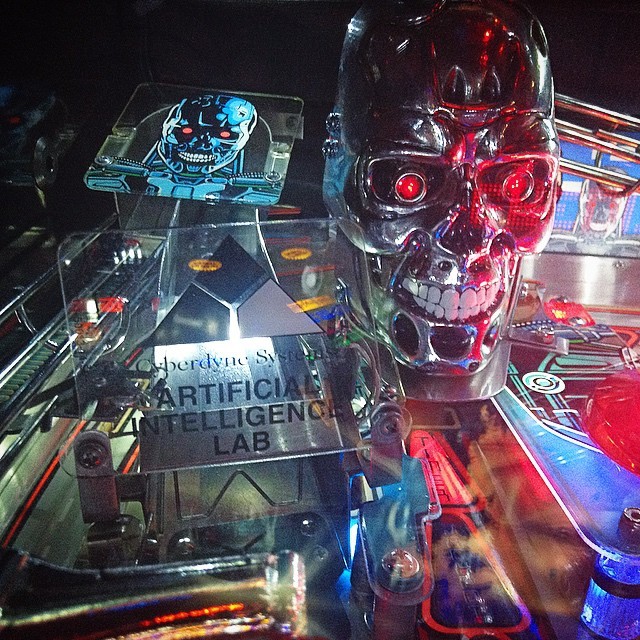
Designing a world where humans have to share space with robots is not an easy task. Several initiatives are looking at ways to address issues linked to the main fuel of artificial intelligence: data. Such issues include privacy, data ownership and sharing, but also making sure that artificial intelligence will not widen the existing digital divide. Speakers at a global summit last week provided insight on ongoing efforts to understand and best tackle the inevitable and sometimes unforeseen problems of this new territory.

Artificial intelligence can solve many challenges facing humanity and it is seen playing a contributing role to the achieving of the United Nations Sustainable Development Goals (SDGs), but being data-driven, the inevitable question that arises is who owns it and manages it.