Category Innovation/ R&D

WHO-Led Efforts To Boost R&D In Neglected Diseases Jeopardised By Funding Gap

Finding resources to fund research and development for diseases primarily affecting developing and least-developed countries is a continuous challenge. Hopes were raised in 2015 with projects to launch a Global Observatory on Health Research and Development, and a voluntary pooled fund for research and development projects. However, the lack of funding is jeopardizing those initiatives despite some contributions by developed and middle-income countries.

WHO Members Negotiate Resolution On Cancer; High Prices In Question

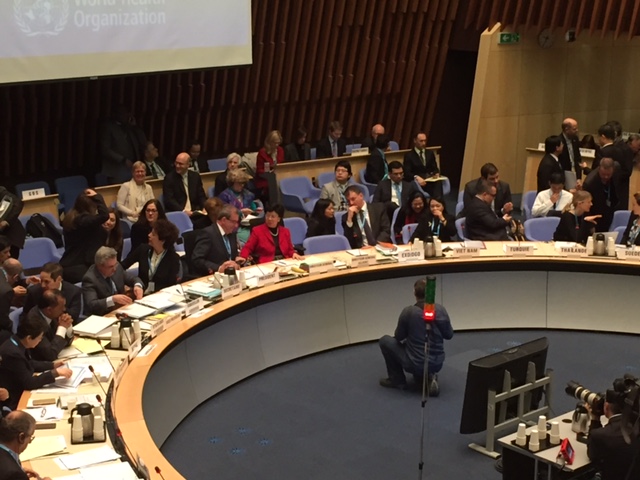
Cancer is spreading. According to the World Health Organization, the number of new cases of cancer is projected to increase to 21.6 million annually by 2030. The WHO Executive Board this week is considering a draft resolution for actions by the WHO member states and the secretariat. The resolution is being discussed and amended as issues such as the affordability and the accessibility of new cancer medicines, in particular in developing countries, are highlighted by many.

Antimicrobial Resistance At WHO: Accelerating National Plans, Ensuring Accessibility

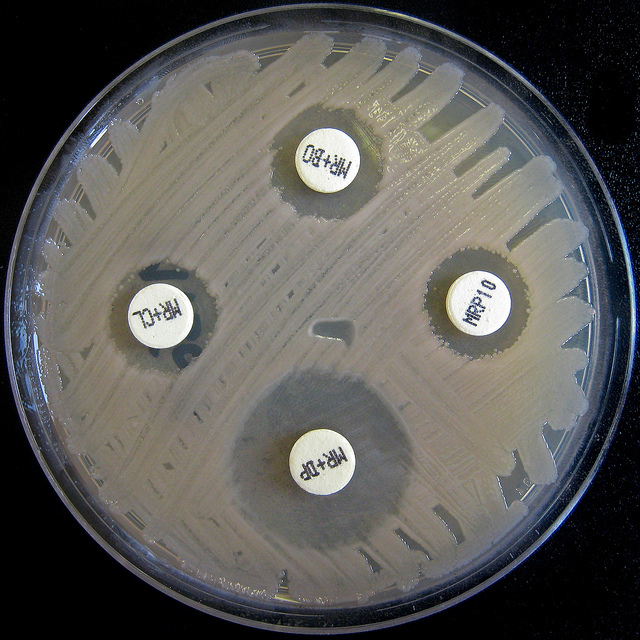
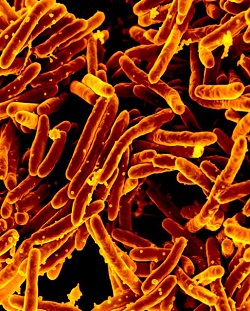
The rising threat of “super bugs,” bacteria resistant to existing antibiotics, was in discussion at the World Health Organization this week. Concerns were voiced about the slow pace of national action plan implementation to improve the careful use of antibiotics. Meanwhile some developing countries and civil society called for priority to be given to accessibility and affordability to new antibiotics.

WHO Fine-Tunes Work On Epidemics In Debates On IHRs, R&D Blueprint

The Ebola outbreak spurred actions from the World Health Organization in terms of how to deal with emergencies and also getting medicines and vaccines to patients in emergency situations. The secretariat presented an implementation plan for the International Health Regulations, and a report on its recent blueprint on research and development for potentially epidemic diseases at its Executive Board meeting this week. The United States sought to limit the scope of WHO's work on R&D in this context.

WHO Board: UN Report On Medicines Too Hot; DG Candidates To Be Narrowed

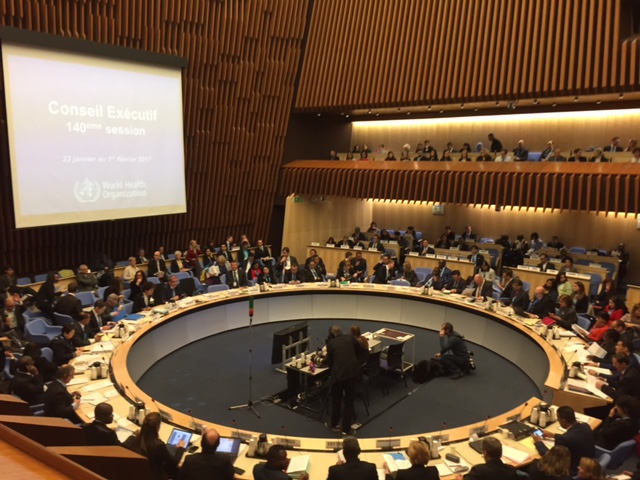
At the opening of the World Health Organization Executive Board meeting today, a call by India for an agenda item on the report of the United Nations Secretary-General’s High-Level Panel on Access to Medicines was denied. Meanwhile, WHO’s director general underlined the success of the organisation over the last year, including new financing arrangements with industry groups to finance the WHO Prequalification Programme. But all eyes are riveted to the election process for the new WHO director general, as three out of the six candidates are expected to be short-listed this week.

Groups Seek Assurance Of Affordable Zika Vaccine From US Army Exclusive Licence

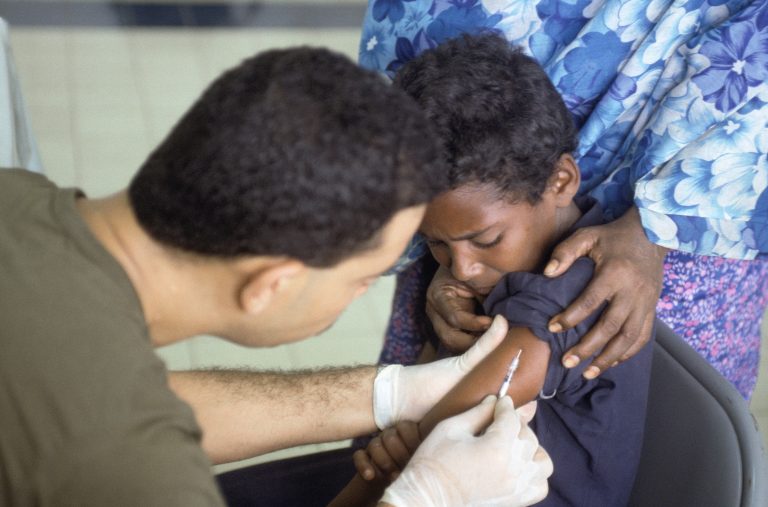
A range of civil society organisations have issued a public statement opposing the United States Army’s proposed grant of an exclusive licence on technology necessary to produce a Zika vaccine to French pharmaceutical company Sanofi. The letter cites concerns that the exclusive licence might violate US law and could lead to high priced medicines as consumers buy back taxpayer-funded research.

Nagoya Protocol Implications For Health, Flu Genetic Data On WHO Board Agenda

The World Health Organization recently published its analysis about the public health implications of the Nagoya Protocol on genetic resources access and benefit-sharing, and in particular how it affects the sharing of pathogens, like influenza viruses. The findings are set to be discussed at this month’s WHO Executive Board meeting. Also to be discussed is an experts group review of the WHO pandemic influenza framework, and in particular its conclusion that the framework should be amended to match scientific progress.