Medicines Patent Pool Partners with Liverpool University On HIV Nanomedicines
The Medicines Patent Pool has signed a collaborative agreement with the University of Liverpool to develop HIV nanomedicines.

Original news and analysis on international IP policy
The Medicines Patent Pool has signed a collaborative agreement with the University of Liverpool to develop HIV nanomedicines.
The US government has been less than candid about the Trans-Pacific Partnership. While the agreement was being negotiated, the US Trade Representative stated that a much-criticized arbitration process included in the TPP would not apply to intellectual property. Turns out, it does apply to IP. And it provides foreign corporations with a huge advantage in IP disputes – private arbitrations that can override courts and statutes, effectively rewriting a nation’s IP laws.
Authors will receive more for their inventions in Russia, as the local government has changed a scheme on the distribution of authors’ royalties. In addition, the government is setting up a new body to draw together the two dozen agencies that deal with aspects of the intellectual property system.
The Medicines Patent Pool announced today that it signed a first licence for a hepatitis C drug with Bristol-Myers Squibb. The agreement allows manufacturing of daclatasvir, royalty-free in 112 low-and middle-income countries.

The World Intellectual Property Organization Deputy Director General responsible for copyright, Anne Leer, has decided to resign her post, citing personal reasons.
There is a lot of hype around the Internet of Things (IoT) yet many, if not most, are confused by what IoT really is and what it means for their IP and their business. In fact, some people claim that the IoT is simply a matter of applying existing technology to new applications. Many companies new to the IoT market may have strong and expansive portfolio positions for assertion. This makes it difficult at best to discern whether or not IoT inventions are really new or just recycled technology. If you are a new player in the IoT market, you most likely will be filing patent applications for new innovations; however, since IoT is being built on established technology, you need to be aware that there are hundreds of technology companies that may already own the seminal foundation patents.
A group of companies launched the Fair Standards Alliance this week in Brussels, aimed at ensuring licensing of standard-essential patents is done on fair, reasonable and non-discriminatory (FRAND) terms. This reflects an industry trend toward clarifying the meaning of FRAND to help boost use of patents included in standards.

European reproduction schemes for compensating authors don't cover publishers, the European Court of Justice said in a 12 November judgment in Hewlett-Packard Belgium SPRL v. Reprobel SCRL and Epson Europe BV.
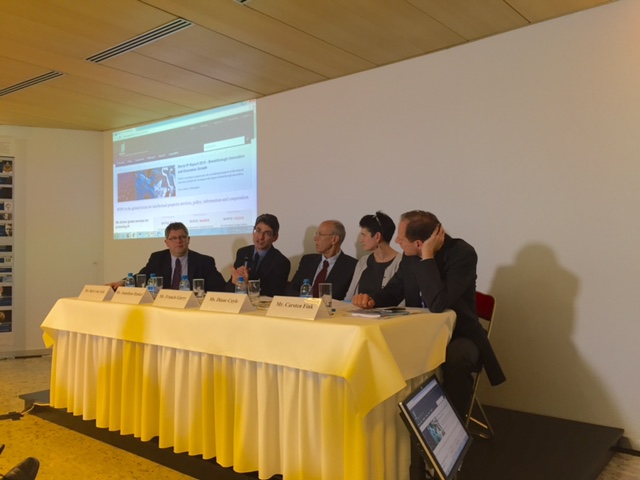
Consensus emerged among a panel of top economists last week at the World Intellectual Property Organization that as economies become increasingly intangible they are more susceptible to repercussions on growth caused by a financial crisis. Yet the shift towards a knowledge economy brings with it promise of increased economic growth in the long term, they said.
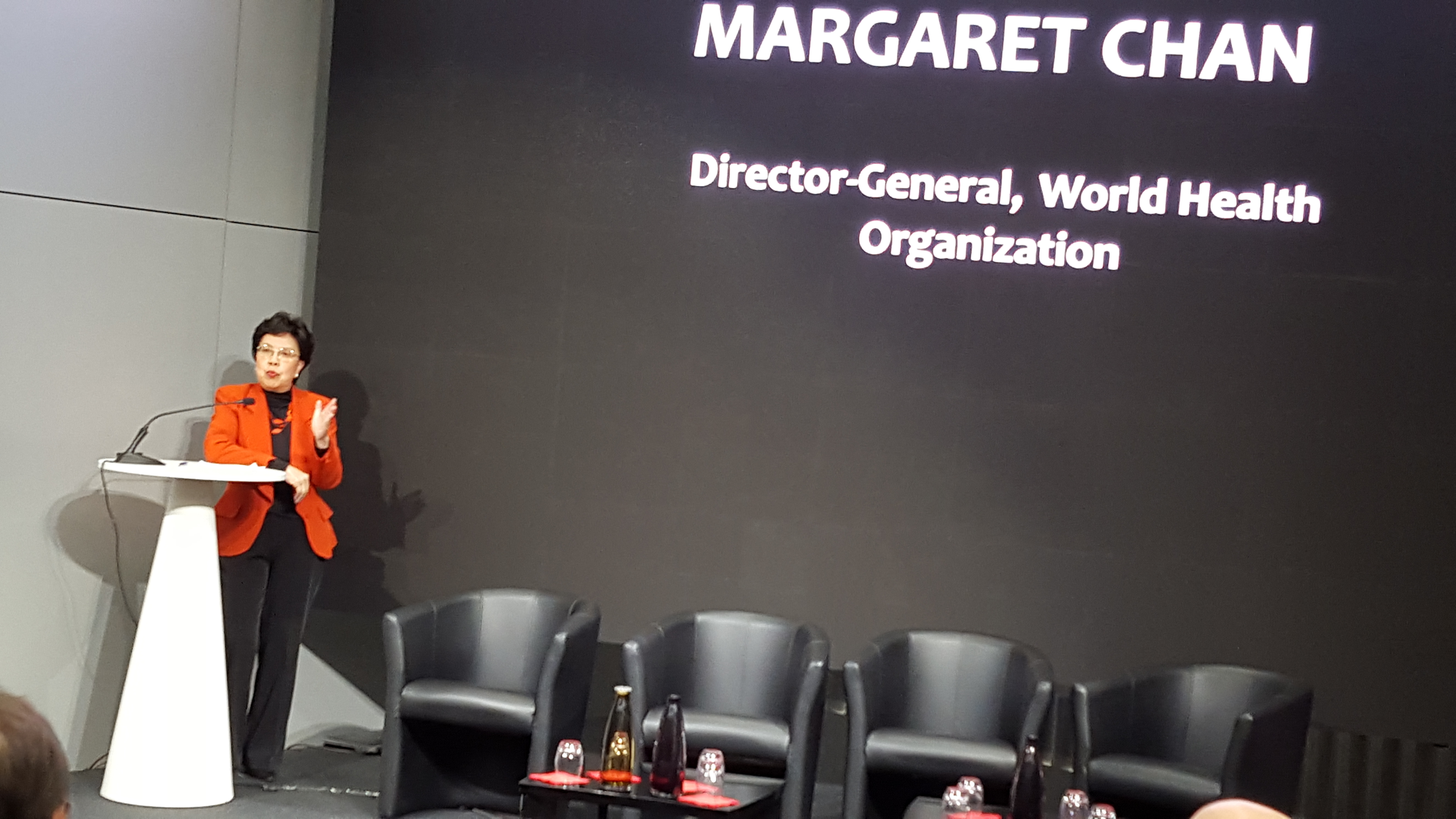
Saying she could speak more freely outside of the World Health Organization, WHO Director General Margaret Chan today told a gathering of think tank representatives at the Graduate Institute of Geneva that intellectual property rights may be unfairly driving up drug prices and that industry lobbying may be interfering with governments' efforts to take action on behalf of their citizens' public health.