Category Finance

WIPO Launches Development Agenda Project In Uganda

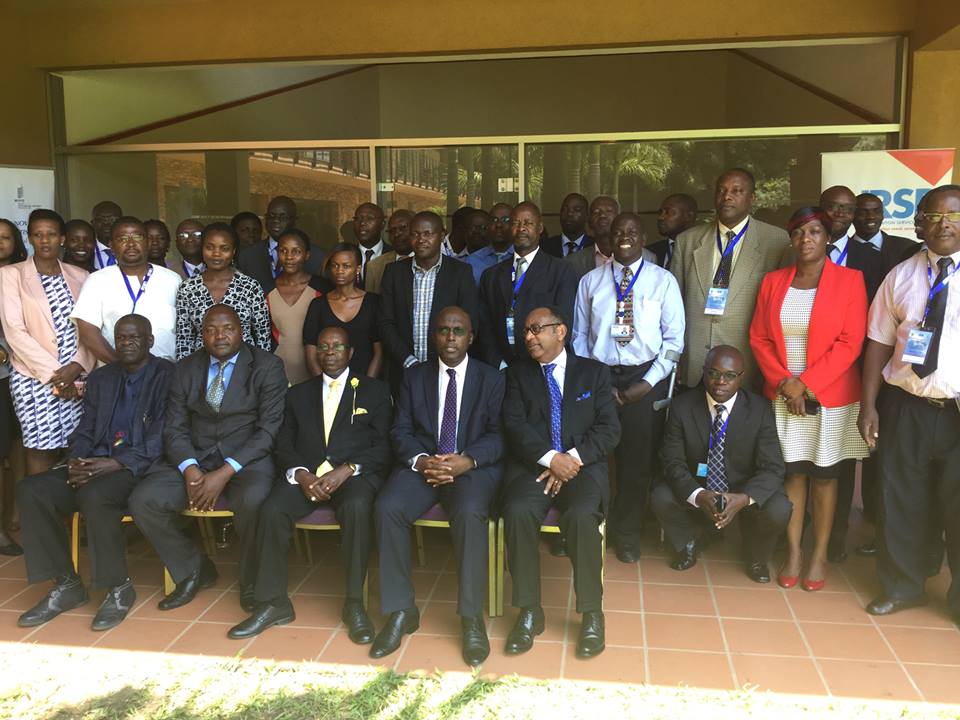
KAMPALA, UGANDA - The World Intellectual Property Organization (WIPO) has launched a Development Agenda program in Uganda, aimed at building capacity in the use of appropriate technology, specific technical and scientific information to address development challenges in the country.

Finding The Right Balance Between IP And Access To Science

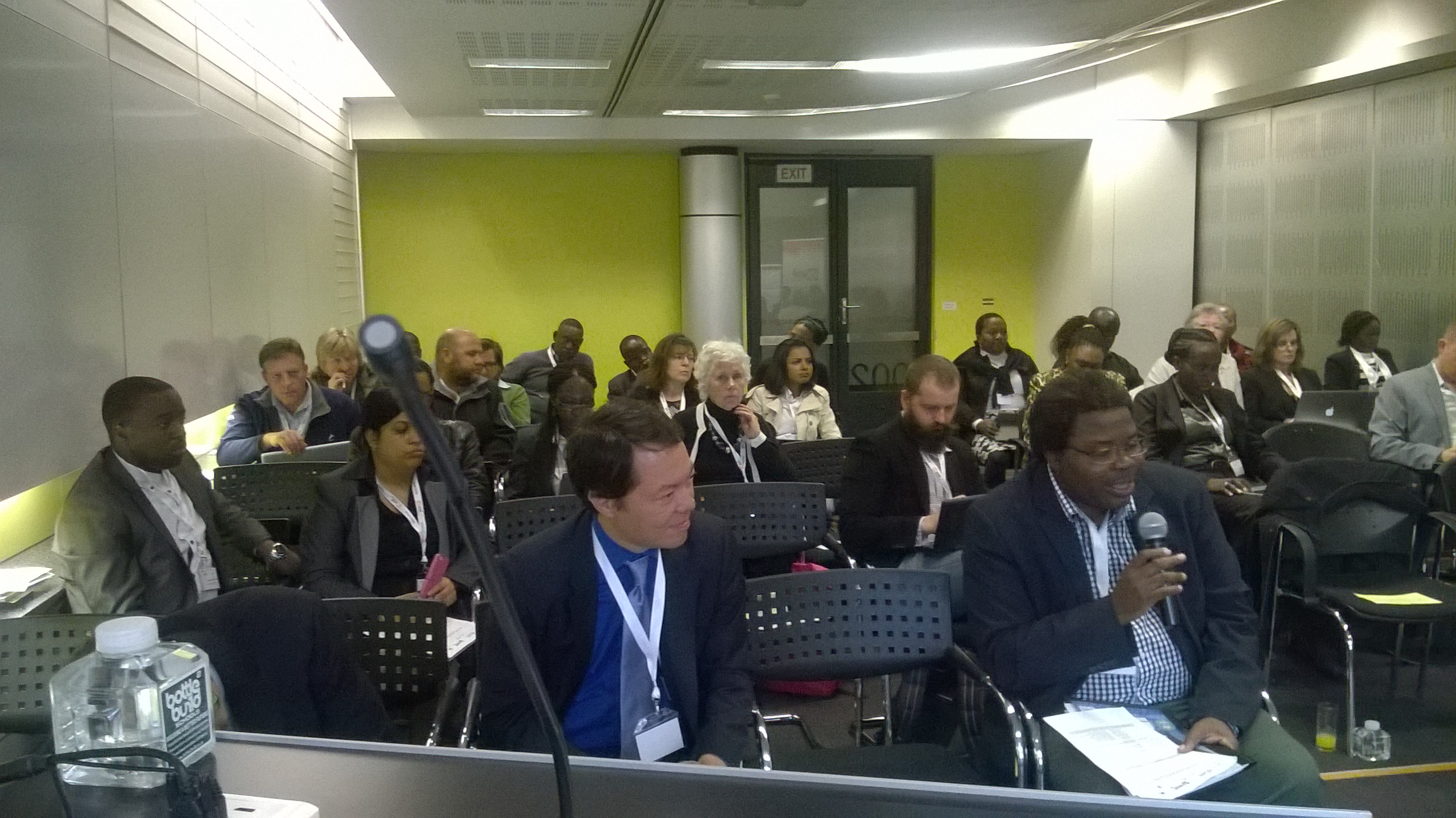
STRASBOURG – As UN Special Rapporteur Farida Shaheed prepares to finalise a second consecutive report on the connection between the right to science and culture and patent policy, two well-known academics took the floor at the University of Strasbourg Centre for International Intellectual Property Studies (CEIPI) recently to share their views and hopes for this long-awaited paper.

No Deal Overall, But TPP Ministers Agreed Some IPR Issues In Hawaii, US Says

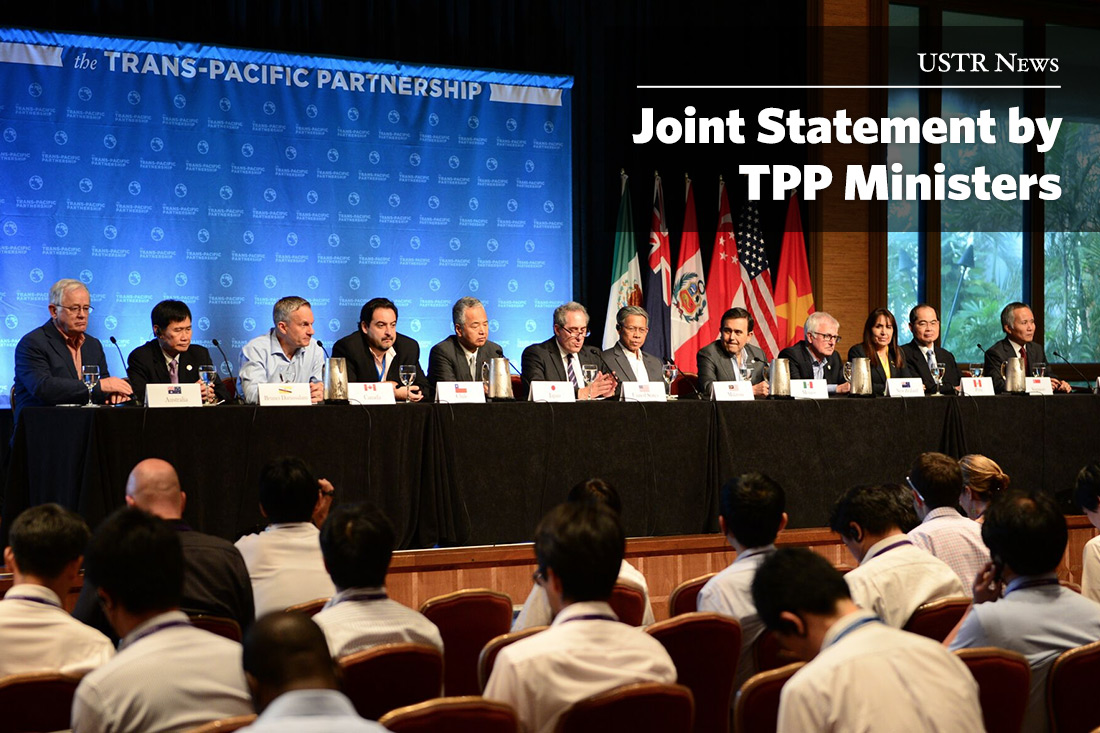
While the ministers of the 12 countries negotiating the Trans-Pacific Partnership (TPP) acknowledged they are still far apart on certain issues such as dairy, there were some areas of agreement in this week's negotiation in Hawaii, they said. Some of them appear to have been related to intellectual property rights, with particular mention of geographical indications (GIs).

Medicines Patent Pool At 5 Years: Promises Kept, Changes Ahead – An Interview With Greg Perry

The Medicines Patent Pool in Geneva is celebrating five years of existence this month. MPP Executive Director Greg Perry sat down with Intellectual Property Watch Catherine Saez to describe progress made since its inception, the success of its licensing agreement model, and plans for the future, including a possible extension to other diseases such as tuberculosis and hepatitis C.

Special Feature: Differences Over GIs Threaten 2016/2017 WIPO Budget Approval

The UN World Intellectual Property Organization is a member-driven agency set up to protect IP rights worldwide. In recent years, an area of dissension and debate has been how to make the organisation – and IPRs - friendlier to developing countries. This year, however, it has become a hotspot for the global debate between developed countries over protection of geographical indications, products of distinctive character deriving from specific locations.