Category Finance

Cutting-Edge Energy Tech Presented At Swiss Energy And Climate Summit

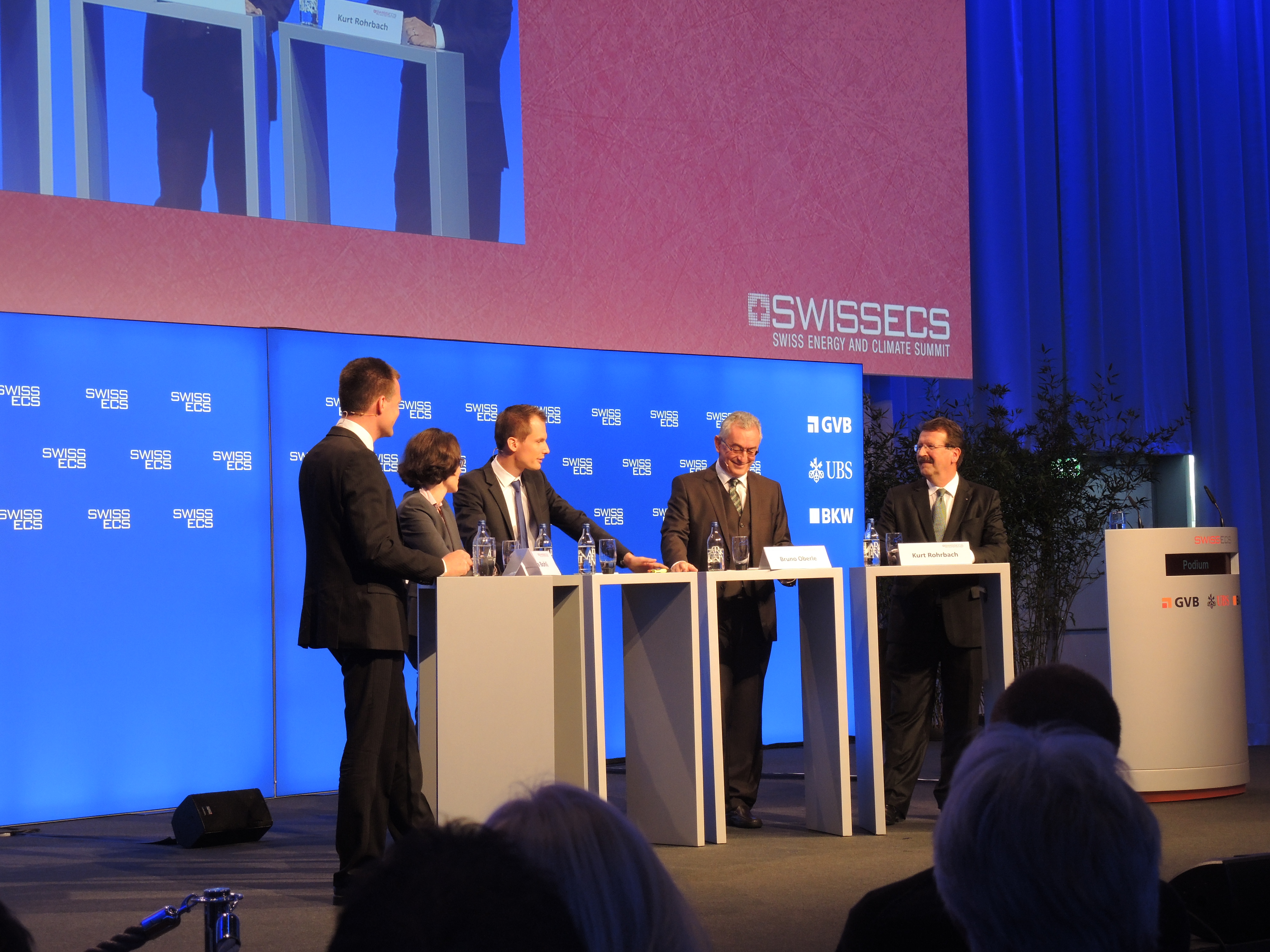
BERN – Everybody knows how annoying it is to run out of battery power for mobile devices. In the same way, storing energy is a continuing issue for renewable energy due to its non-continuous nature. A number of innovations presented at this week’s Swiss Energy and Climate Summit in Bern sought to address that problem.

The yearly event invites Swiss and international speakers to put forward the latest in technology. And according to some participants from start-ups, intellectual property is key, but their IP strategy relies more and more on both patents and trade secrets.

WIPO HR Report Shows Effort At Geographical Diversity, Gender Balance

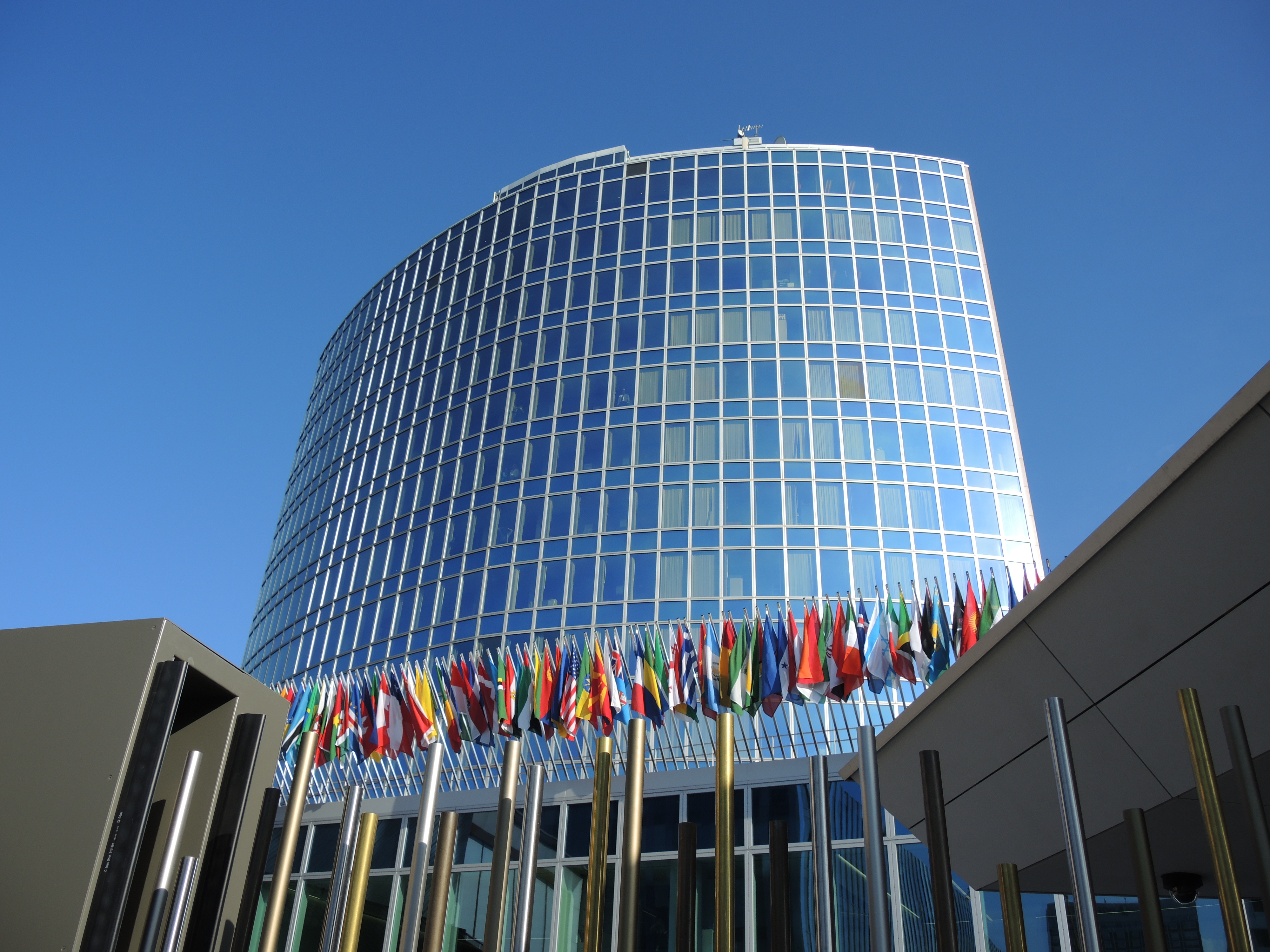
The World Intellectual Property Organization has fewer staff overall but more senior staff, according to an annual report on human resources at the United Nations agency. In addition, while efforts at WIPO are continuing to expand geographical diversity among staff, the number of countries represented fell last year. Western Europe provides half of all staff. Meanwhile, women make up about a quarter of senior posts.

WIPO Continues Honing Its Audit And Oversight Functions

The UN World Intellectual Property Organization has been working in recent years to improve its audit and oversight functions under the watchful eye of its member states. On the opening day of its meeting this week, the influential Program and Budget Committee (PBC) took several actions to advance the process, with some key positions in flux.

Switzerland Backs Renovation Of UN Offices In Geneva

The government of Switzerland has decided to give a CHF 400 million interest-free loan toward renovation of the Palais des Nations, the United Nations headquarters in Europe. The CHF 837 million project is expected to begin in 2017 and be completed in 2023, the UN said.

WIPO To Tackle Lisbon Financing, External Offices, Development Expenditures

The World Intellectual Property Organization Program and Budget Committee meets next week to address several substantive issues. Among the issues to be discussed is the financing of the system of protection of geographical indications, which has been called into question by non-members of the system. Other topics are external WIPO offices, and if the WIPO coordination office in New York should be closed, what constitutes development expenditures in the budget, and how to implement a recommendation by the United Nations Joint Inspection Unit.

Resisting The Law Of Greed

In 2011 in a small court in Ecuador’s Amazon jungle, a judge ordered the American oil giant Chevron to pay US$9 billion dollars in damages for pollution in the region that was caused by drilling activities in the 1970s and 1980s. The company quickly denounced landmark ruling as illegitimate. More than a year before the final ruling had been issued, Chevron had already taken steps to initiate an investor-state dispute against the Government of Ecuador under the terms of a US-Ecuador bilateral investment treaty (BIT). The company seeks to avoid paying the US$9 billion by convincing an international tribunal that the courts of Ecuador are corrupt and that the government is ultimately responsible for any environmental damage and associated health issues experienced by local residents, writes Kyla Tienhaara in Green Agenda.

Former USPTO Director Kappos: Inventors Giving Up On Patent System After 200 Years

In a clarion call to policymakers, former United States Patent and Trademark Director David Kappos said recently that this year’s unprovoked drop in patent filings in the United States is unprecedented and signals a shift toward more secrecy by inventors trying to protect their ideas. Meanwhile, the US trend toward antitrust actions at home is having deleterious effects for US businesses overseas, he said.