Category Finance

The TPP’s Reckless Proposals For Damages Will Have Negative Impact On Future Reform Of IPR Regimes

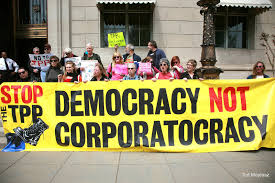
James Love writes: This week negotiators from a dozen countries are meeting to finalize the rules for the Trans Pacific Partnership (TPP) trade agreement. When or if concluded, this massive regional trade agreement will set new standards for the grant of property rights in knowledge, and the enforcement of those rights.

The TPP chapter on intellectual property covers all intellectual property types included in Part II of the WTO's TRIPS agreement, plus some others, including not only patents, copyrights and trademarks, but also "undisclosed information", test data for the registration of drugs, industrial designs, layout-designs of integrated circuits. The rules in the TPP are intended by the United States to become global norms, effectively replacing TRIPS.

While there are plenty of issues in the TPP IP Chapter, this note only addresses one set of issues -- those relating to the remedies for the infringement of intellectual property rights. The remedies include such topics as injunctions, damages, and the seizure or destruction of infringing goods.
WIPO Program And Budget Committee Works Through Issues

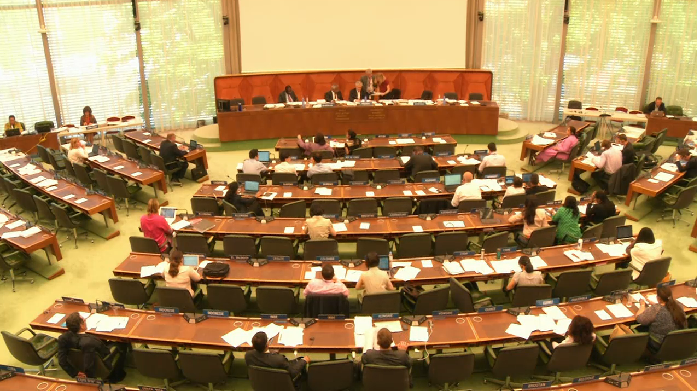
The World Intellectual Property Organization Program and Budget Committee (PBC) last week took note of WIPO’s mostly positive 2014 progress report, walked through its proposed program and budget for 2016-2017, and addressed issues of investment, governance, new external offices, and development. Many issues will be carried forward to the next PBC meeting in mid-September, just prior to the annual WIPO General Assembly.

Learning From Ebola

In 1976, Yambuku village school headmaster Mabalo Lokela felt sick when he returned from a trip to northern Zaire near the Central African Republic border. He had a high fever, diarrhea, and bleeding. Because he was initially believed to have malaria, Lokela was given quinine, but his symptoms got worse and he soon died. Shortly afterwards, those who had been in contact with Lokela also died. ... Almost four decades later, there is still no cure for Ebola, despite the fact that drug development on average takes about a third of this time frame, write William Fisher and Quentin Palfrey.

3D Printing And Public Policy

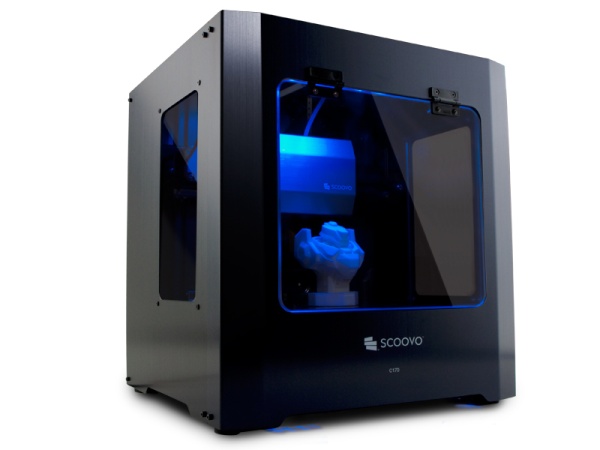
John Hornick writes: Although legal principles apply to 3D printing the same as they apply to any other technology, 3D printing has the unique potential to upset the legal status quo. It is the potential scale of 3D printing that may have profound effects on the law. 3D printing cuts across many areas of law, most types of technology, and almost all types of products. Eventually, anyone may be able to make almost anything. No one else will know they made it or be able to control it, which I call 3D printing away from control.

US High Court Removes Economics From Patent Law

Economics be damned. So said the US Supreme Court on 22 June, when it reaffirmed a 50 year-old ruling that limits how patent owners can license their patents. The court conceded the limit does not make economic sense, but asserted that patent law has its own logic. That could change many aspects of patent law, according to experts.

CERN Open Innovation Project Steps Up Collaboration

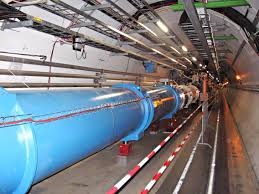
A collaboration between the European Organization for Nuclear Research (CERN) and leading information and telecommunications technology companies has entered a new phase in dealing with challenges in IT infrastructures. This new phase also marks the inclusion of public research organisations in the collaboration. Separately, the program director discussed the role of intellectual property rights at the lab.