Category Subscribers

Switzerland Champions Disclosure Requirement In Patents, Counters US Interpretation

The government of Switzerland has issued a defence of its national law on disclosure of origin of genetic resources in patent applications, finding fault with the interpretation of its law by the United States. The Swiss response comes on the eve of a World Intellectual Property Organization meeting on related issues.
European Commission Copyright Reform Proposal Sparks Many Jeers, Some Cheers

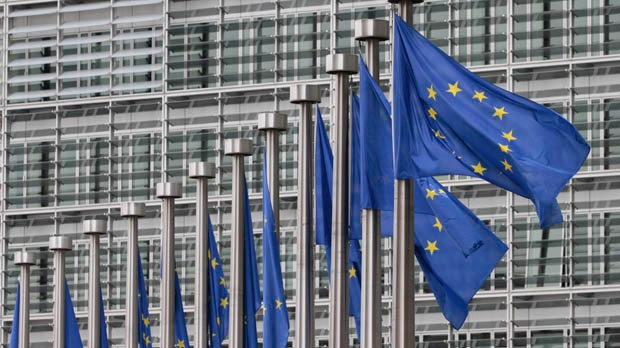
European Commission plans to overhaul EU copyright rules, officially published today, have prompted strong support and opposition. Controversy centres in particular around two proposals: The requirement that online services monitor against user-generated uploads of copyright-protected content, and the proposed grant of a “neighbouring right” to press publishers.

IP Judges In Developing Countries Hand-Tied By Local Laws, Justice Says

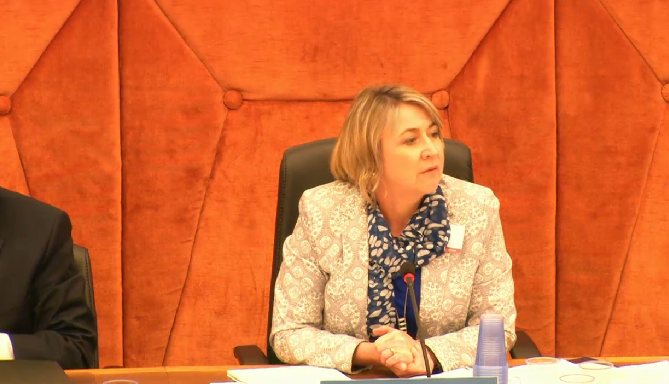
Enforcement of intellectual property rights can be unbalanced in developing countries because local laws are crafted in a way that makes it difficult for judges to bring balance in their rulings, a former justice from South Africa told the World Intellectual Property Organization last week.

Global Brand Offers Window Into Africa’s Intellectual Property Rights

CAPE TOWN, South Africa -- For 30 years, Nandos, a South African, Portuguese-themed eatery, has made its brand, poking fun at politicians, laughing at the madcaps of society, throwing innuendos with joyful abandon and filling tummies with peri-peri chicken.

ITU Capacity-Building Symposium Discusses Internet Governance, Collaboration

NAIROBI, Kenya -- Strong linkages and structured collaborative initiatives between the academia and industry in the information and communication technology (ICT) sector are key to enhancing capacity building in rapidly growing sector across the globe, a United Nations-led event here this week has said.

How Will Brexit Process Resolve Japan’s Concerns About IP In The UK?

Japan's worries about how intellectual property registered in the EU by companies operating in the United Kingdom will fare after Brexit are potentially valid but depend on how the UK's exit from the EU is handled, according to a UK IP attorney following the issue. One question will be whether, and how, EU trademarks and designs can be re-registered in the UK.

Specialized IP Courts: Recognizing Country-Specific Needs Is Complex

In light of the growing global “innovation market” and the rapid development of technologies, countries have reviewed and modernised their judicial systems to address the increase in intellectual property issues. Notably, the establishment of specialized IP courts has been a prominent feature of judicial mechanisms to resolve IP disputes.

WIPO Enforcement Committee To Discuss National Experiences In 2017

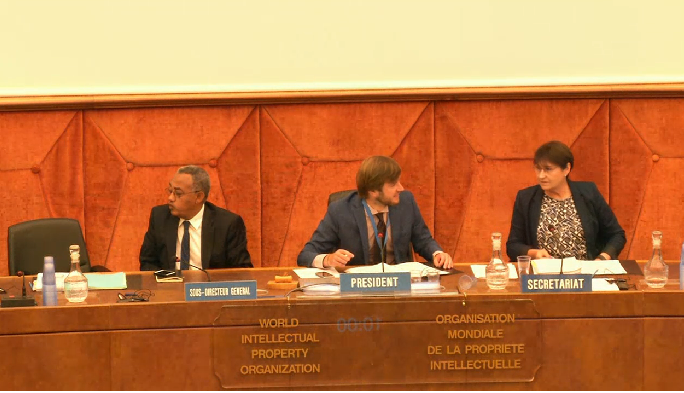
The enforcement of intellectual property rights - how they are enforced and by whom - is left to countries' discretion. Members of the World Intellectual Property Organization committee on enforcement shared experiences this week on how they raise awareness about IP, their IP enforcement policies and regimes, and capacity-building in relation to WIPO training activities. And at the end of the session, delegates decided to pursue those topics of discussion again in 2017.

IP Offices Focus On Educating Younger Population About IP Protection

Intellectual property rights awareness campaigns are increasingly targeting the younger population, as early as primary school, according to several country presentations at the World Intellectual Property Organization enforcement committee this week. WIPO is also developing an Education Took Kit for teachers of children aged 5 to 18. However for some countries, this education should encompass a broader view on IP than only enforcing rights.

Blockchain Technology Raises Challenging IP Issues, Say Speakers

Blockchains, such as the well-known bitcoin, are not yet well-defined but are creating a lot of hype, speakers at a 23 August Intellectual Property Owners' Association webinar said. Two things are clear so far, they said: the technology is in its infancy, and there are lots of unresolved questions about what is patentable and how IP laws intersect with the mostly open source software used in the systems.