
Despite US Reforms, Patent Trolls Are Thriving – For Now
The United States has spent over a decade trying to rein in so-called “patent trolls.” Nevertheless, a recent study suggests that patent trolls are a bigger problem than ever.

Original news and analysis on international IP policy
The United States has spent over a decade trying to rein in so-called “patent trolls.” Nevertheless, a recent study suggests that patent trolls are a bigger problem than ever.
The United States worked hard over the last five years to reduce patent infringement suits. Congress enacted patent reform, the courts handed down important anti-patentee rulings, and the US Patent and Trademark Office began a campaign of energetically rejecting patents and patent claims. Despite all this, from 2014 to 2015, new patent infringement suits increased 18 percent and the number of defendants sued for patent infringement increased 21 percent. What went wrong?

The “making available right,” affirmed by the 1996 World Intellectual Property Organization “Internet Treaties”, gives authors the prerogative to authorise digital access to their copyrighted works “in such a way that members of the public may access these works from a place and at a time individually chosen by them.” But while United States government officials have routinely held that the Digital Millennium Copyright Act (DMCA) which implements the treaties covers all of the conduct envisioned by the right, courts have been less consistent, the US Copyright Office said in a 23 February congressionally-ordered report that recommended no change to current law.

Managing copyright in digital musical works can be difficult because there are multiple rights holders and no standards for exchanging the massive amounts of data involved. Digital rights management services LyricFind and Rumblefish are among organisations working to streamline access to online content, company chiefs say.
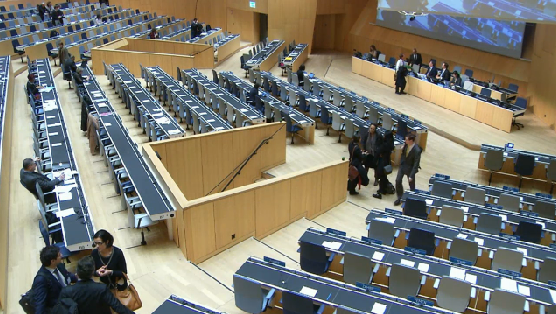
The amiable mood which prevailed at the outset of the World Intellectual Property Organization committee on genetic resources and traditional knowledge meeting did not hold as negotiations on language of a potential treaty text to prevent misappropriation of genetic resources unearthed vivid divisions on the way to achieve such prevention. In addition, the participation of indigenous peoples is jeopardised by lack of funds, and the committee called for governments to help.
Today a new text was issued for the consideration of the WIPO committee on genetic resources and traditional knowledge. The text is a work in progress, according to the group of delegates tasked with proposing consensual language on a draft…

Priorities for the pharmaceutical industry in 2016 are antimicrobial resistance and the quest for new antibiotics, the strengthening of regulatory systems to facilitate access to drugs, and work on non-communicable diseases, such as diabetes and cancer, according to the head of an international pharmaceutical industry group.
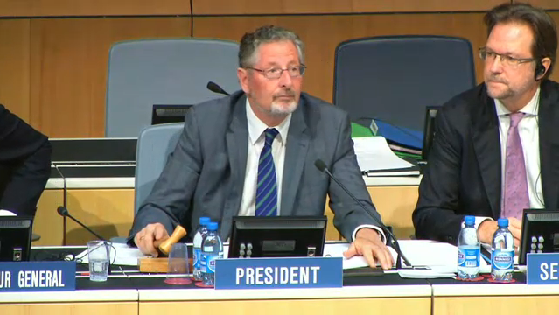
The World Intellectual Property Organization committee working on policy solutions to protect genetic resources and traditional knowledge from misuse and misappropriation resumed its work today after a year hiatus. The newly elected chair, from Australia, issued an indicative methodology and programme for the week.

Russian Health Minister Veronika Skvortsova said today that two “highly effective” vaccines against Ebola have been developed over the course of 15 months in Russia. The combined vaccine GamEvac-Combi was presented during a briefing, with the two scientists who developed it, who own the intellectual property rights on the vaccines in Russia.
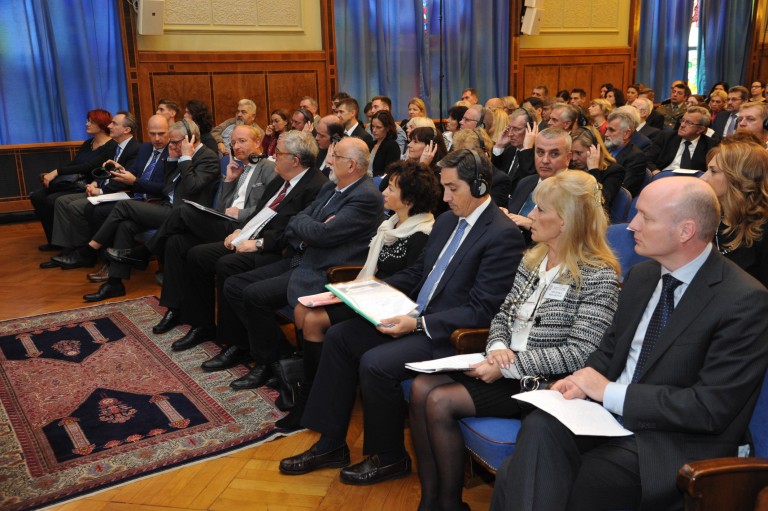
The Serbian government and parliament are currently drafting a new trademark law for the country which is to introduce the trademark opposition system into national IP legislation. Meanwhile, the cabinet of Prime Minister Aleksandar Vucic recently appointed Vladimir Maric as the new acting director of Serbia’s Intellectual Property Office (IPO).

Movements at the World Economic Forum, the United States Patent and Trademark Office, along with changes in the academic and private sectors worlds marked the beginning of 2016. The early part of the new year has also brought some changes in the intellectual property divisions of law firms.
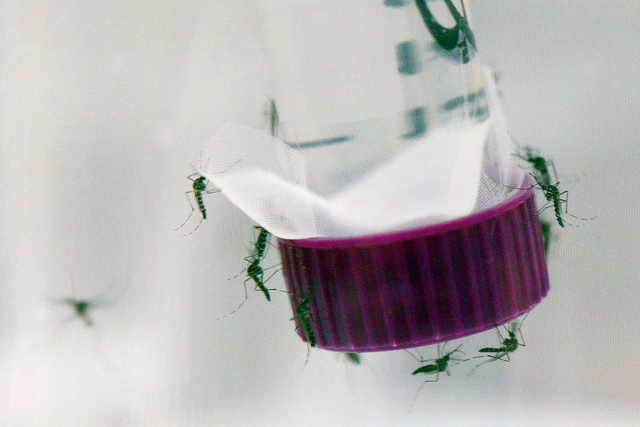
In an update on research and development against the Zika virus, the World Health Organization today said several companies are working on diagnostic tools, and two candidate vaccines are being considered. Discussions are ongoing with countries to encourage sharing of samples of the virus with the WHO, and leading organisations and scientific journals signed a declaration yesterday on the sharing of data for public health emergencies.