Category UPOV / CBD

Panel: WIPO Assistance Should Provide Developing Countries With Choices On Plant Variety Protection
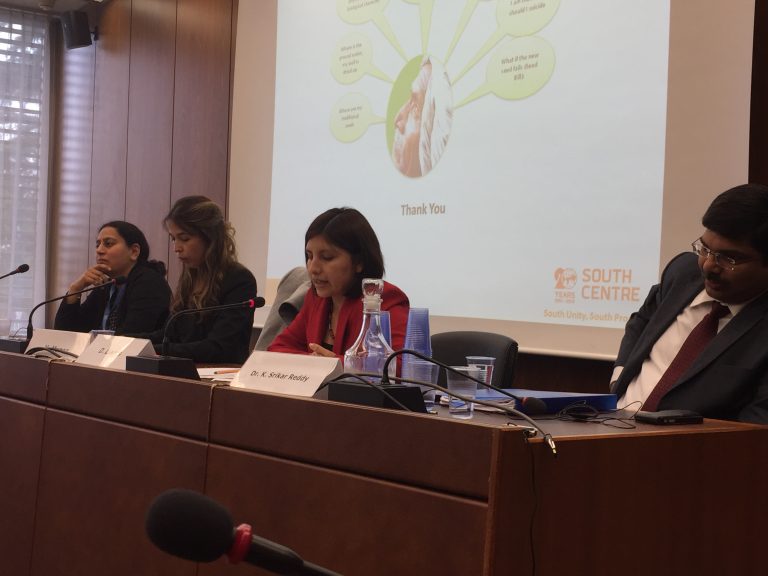
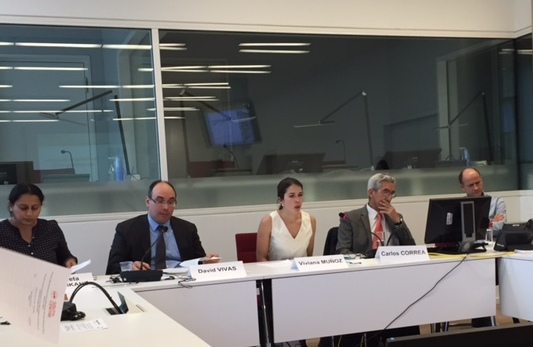
A side event to last week’s annual General Assemblies of the World Intellectual Property Organization looked at ways for developing countries to design sui generis system for protecting new varieties of plant. The event also looked into the technical assistance provided by WIPO, which, according to the groups, focuses only on the International Union for the Protection of New Varieties of Plants (UPOV) system.
Access And Benefit Sharing Mentioned In US Patent For Natural Dye, Might Be A First

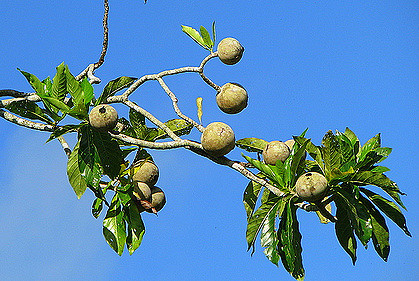
A recent patent granted by the United States Patent and Trademark Office to a Colombian company stated where the genetic resource of the invention was taken from and described the access and benefit-sharing agreement made with indigenous communities. This might be the first time that such a statement appears in a US patent, according to a source.

ARIPO Reviews Draft Regulations On Implementation Of Arusha Protocol On Plant Varieties

The African Regional Intellectual Property Organization (ARIPO) last week hosted a meeting of experts in Harare, Zimbabwe, to review the Draft Regulations for the Implementation of the Arusha Protocol for the Protection of New Varieties of Plants.

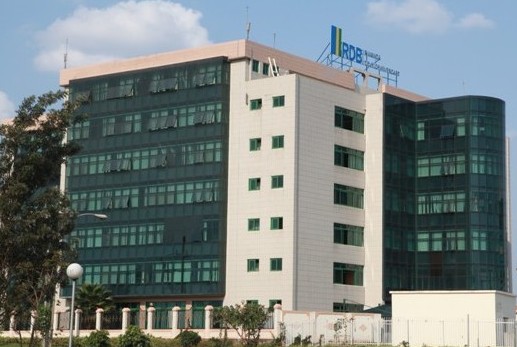
Rwanda Releases New Tariff Levels On IP, Signs UPOV 91 Biotech Rules

The government of Rwanda has revised the fees and cost to be paid for the registration of different categories of intellectual property rights. The changes mean lower fees for all types of IP rights, and gives more time to oppose registrations. Rwanda also enacted a law on seeds and plant varieties.

Plant Variety Protection To Meet Food Security Plant Treaty, But Where Are Farmers’ Rights?

A planned symposium to identify potential interrelations between the International Union for the Protection of New Varieties of Plants (UPOV), and the United Nations International Plant Treaty is raising concerns from civil society about farmers’ rights.

Genetics Disclosure Requirement In IP Applications Necessary To Comply With Obligations, Speakers Say

As World Intellectual Property Organization members struggled this week to find consensus on the wording of a potential treaty protecting genetic resources from misappropriation, a side event explored the role of WIPO and the intellectual property system in preventing such misappropriation.

FAO Symposium On Agricultural Biotech Raises Lobbying Concerns

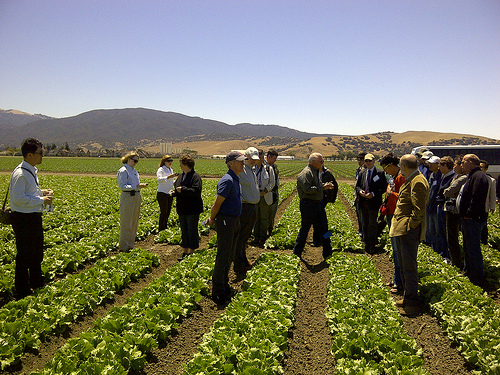
An international symposium on how agricultural biotechnologies can benefit small farmers organised by the United Nations Food and Agriculture Organisation is taking place this week. Small farmers and civil society raised concerns about the influence of agribusiness on FAO policies, as the ghost of a 2010 conference and farmers’ ire lingers.

Plant Treaty In 2016: Sustainability Solutions, Farmers’ Rights, Global Information System

The International Plant Treaty, which established a global system to make available genetic materials for main agricultural crops for farmers, plant breeders and scientists, and in exchange provide a system of benefit sharing, has been struggling to find ways to be financially sustainable for some time. This year, the treaty will work on ways to do that, including in devising a subscription system that would reach a twin goal: avoiding non-payment of voluntary contributions, and ensuring a sustainable and predictable income stream. In addition, a global consultation on farmers’ rights is planned, and work should be ongoing on a global information system allowing more visibility for plant genetic material for food and agriculture.

2016: UPOV Works To Improve Breeders’ Applications, Civil Society Calls For Alternative System

The Geneva-based International Convention for the Protection of New Varieties of Plants (UPOV) provides intellectual property rights protection for plant breeders. In 2016, the organisation is planning to work on systems to facilitate breeders’ applications for new varieties. Meanwhile, civil society is calling for ways to protect plant varieties other than through UPOV, which they see as hindering farmers’ rights.