Category UPOV / CBD

Interrelations Between Plant Treaty, UPOV, WIPO, Farmers’ Rights – Do They Equate?

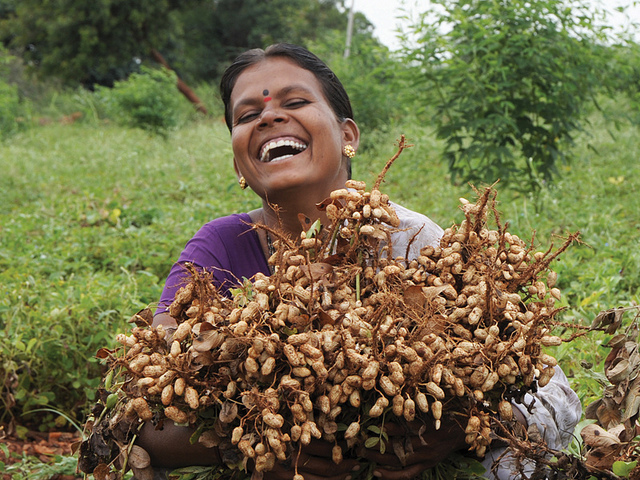
Farmers' rights are enshrined in the international plant treaty. However, their implementation is an ongoing issue, which the plant treaty is seeking to address by looking at the interrelation that might exist with other international instruments. Separately, civil society is asserting that the World Intellectual Property Organization favours the International Union for the Protection of New Varieties of Plants (UPOV) in its technical assistance. But the WIPO Director General countered that this is decidedly not the case.

Indian Draft Pesticides Bill Contains TRIPS-Plus Data Exclusivity, Indian Pharma Says

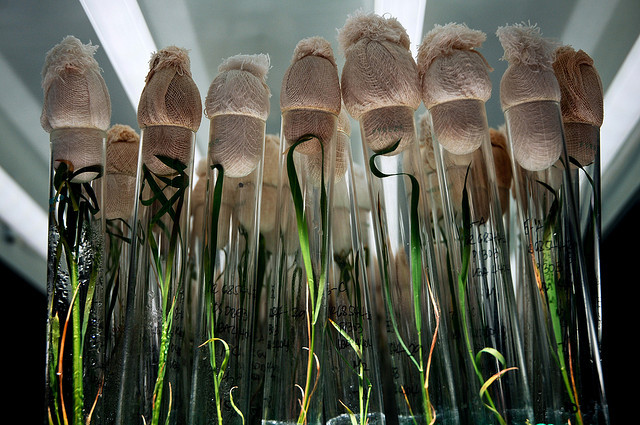
India is considering legislation on pesticides containing data exclusivity provisions that would raise the level of intellectual property protection above the minimum required by international trade agreements and could act as a precursor for pharmaceutical products in the country, a leading Indian industry representative warned this week. India is sensitive to restrictions on the use of marketing data of patented pharmaceuticals as it is seen as the world leader in generic medicines, which use such data.

African IP Body Steps Up Regional Effort To Adopt Plant Protection Protocol

The African Regional Intellectual Property Organization (ARIPO), with the help of the United States and an international plant variety organisation, is working to grow regional support for a controversial draft law. The draft protocol would boost protection for new plant varieties, despite concerns of local civil society that it would not be in the best interest of ARIPO members’ food security due to its potential impact on small farmers. ARIPO held a regional workshop on the issue in recent weeks in part to build support for a treaty negotiation to lock in these protections.

UPOV Meetings Conclude With New Observers; Tanzania Can Become UPOV Member

The international body protecting new varieties of plants concluded a week-long set of meetings with a number of decisions, among which was the re-appointment of its secretary general, and the addition of an international organisation and a farmers' organisation as observers. The national legislation on plant breeders of Zanzibar was approved, opening the way for Tanzania to become a UPOV member.

The TPP’s New Plant-Related Intellectual Property Provisions

The newly-released Trans-Pacific Partnership (TPP) intellectual property (IP) chapter would help seed conglomerates like Monsanto prevent farmers from saving and using seeds that contain patented plant materials, even when such use is for their own personal consumption. The TPP language would also prevent breeders from using plants seeds that contain patented plant materials to research and develop new varieties. Most plant variety protection (PVP) systems allow farmers to save and reuse seeds (for noncommercial purposes) and permit breeders to use protected plant varieties to research and develop new varieties. In contrast, patents on plant-related inventions, as outlined in the TPP, may have few exceptions. This new text constitutes a huge step in the wrong direction, changing the plant IP regimes of many of the negotiating countries to the detriment of their populations, writes Public Citizen.

UPOV Governing Body Meets This Week Amid Civil Society Concerns Over Harmonisation

The International Union for the Protection of New Varieties of Plants (UPOV) is holding meetings of its governing and technical bodies this week. In particular, the UPOV Council is expected to renew Francis Gurry's mandate as the organisation’s secretary-general, approve technical documents, and confirm the conformity of a Tanzanian plant breeders' rights act.

Meanwhile, civil society has sounded the alarm over what it considers to be efforts to harmonise the application and examination procedures by the seed industry. Separately, a civil society study, carried out on three developing countries claims that UPOV 1991 might be threatening the global right to food.