Category UPOV / CBD

UN Human Rights Council Passes Resolution On Peasants’ Rights Including Right To Seeds

The United Nations Human Rights Council last week passed a resolution on the rights of peasants, to be confirmed by the UN General Assembly in November. The resolution includes an article on the right to seeds, and in particular the right to save, use, exchange and sell farm-saved seeds, which has been a longstanding demand of peasants' organisations. The resolution also asks that seed policies and intellectual property laws take into account the rights, needs and realities of peasants.
Not Just A Matter Of Matter: ‘The Way Forward’ For The UNCBD, NP And Half-Earth

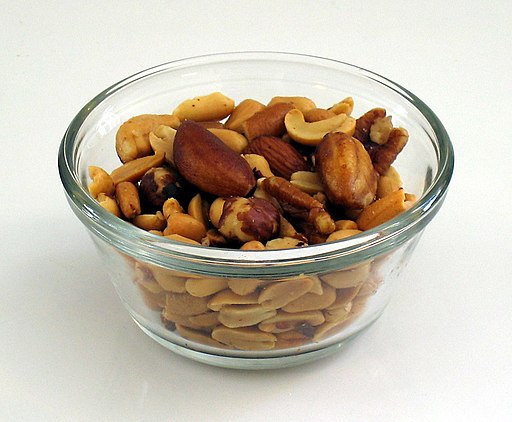
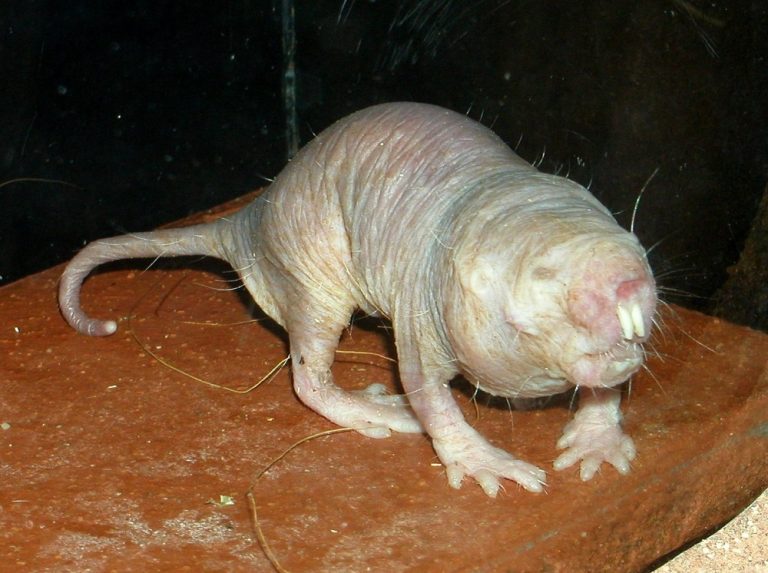
Prof. Joseph Henry Vogel writes: Is information something or is it about something? That is essentially the question before the Fourteenth Conference of the Parties (COP) to the 1993 United Nations Convention on Biological Diversity (CBD), which meets from 19-27 November 2018. And it is a “$64 billion question”. The answer could determine the modality for “access to genetic resources” and “the fair and equitable sharing of benefits” (ABS), which is the third objective of the CBD. If the information conveyed in life is something, then the obligation of benefits could be orders of magnitude greater than if that same information is only about something. Re-phrasing the question: Are Users of genetic resources accessing information? Or are they accessing matter, the properties about which are diffused over organisms and jurisdictions? Information-as-the-answer leads to an economic rationale for tens of billions of dollars in payments per year. Properties-as-the-answer justifies the “peanuts” currently being paid.

Прекратить неавторизованный доступ к генетическим ресурсам (а именно, Биопиратство): принцип ограниченной открытости

«Доступ к генетическим ресурсам» и «справедливое и честное распределение выгод от их использования» были камнем предкновения на всех тринадцати Конференциях сторон-участников Соглашения Организации Объединенных Наций от 1993 года о Биологическом разнoобразии (CBD). Слова в кавычках составляют третью задачу договора, которая переплетена с двумя первыми, а именно с задачей консервации и устойчивого использования. По первым буквам английского названия эта задача сокращенно обозначается как «ABS». Несмотря на 25 лет усилий и при размерах био-экономики порядка 1 триллиона долларов [1], было заключено немного контрактов [2]. И в этом малом количестве контрактов денежная часть так незначительна, что их участники не пожелали ее обнародовать. «Закон ABS Бразилии» от 2015, который вошел в силу 6 ноября 2017, позволяет чтобы отчисления от суммы продаж составляли всего одну десятую процента[3]. Используя выражение известного ученого-законоведа, потребитель платит «пшик» авторам биоресурсов.

En finir avec l’accès aux ressources génétiques sans autorisation (c’est-à-dire avec la biopiraterie): « l’ouverture limitée »

L' « accès aux ressources génétiques » et le « partage juste et équitable des avantages découlant de leur utilisation » s’est révelé un véritable casse-tête pour l’ensemble des 13 Conférences des Parties à la Convention des Nations Unies sur la Diversité Biologique (CDB). La formule, entre guillemets, qu’on désigne par l’acronyme « APA », se réfère au troisième objectif de la Convention, lequel est étroitement liée aux deux premiers, à savoir la conservation et l’utilisation durable de ces ressources. Malgré 25 années consécutives d’efforts et dans un contexte où le marché de la biotechnologie représente, annuellement, un trillion de dollars, peu d’accords APA ont été conclus jusqu’ici. Les bénéfices monétaires des quelques contrats existants sont si faibles que les contractants répugnent à les dévoiler. La « législation APA brésilienne » de 2015, qui est entrée en vigueur le 6 novembre 2017, permet par exemple d’offrir des royalties jusqu’à un dixième de pour cent du chiffre d’affaire. Selon les termes d’un éminent juriste: « les usagers paient des cacachuètes pour se servir de la biodiversité ».

Pondo termo ao acesso não autorizado aos recursos genéticos (quer dizer, biopirataria): acesso aberto limitado

O “acesso aos recursos genéticos” e a “participação justa e equitativa dos benefícios provenientes de sua utilização” vêm aturdindo delegados e delegações das 13 Conferências das Partes da Convenção das Nações Unidas sobre Diversidade Biológica, que entrou em vigor no ano de 1993. A expressão entre aspas conhecida pela sigla em inglês “ABS” é o terceiro objetivo do Convênio e se encontra entrelaçada pelos dois primeiros objetivos que são a conservação e o uso sustentável. Apesar de 25 anos de esforços e de uma bioeconomia de quase um trilhão de dólares, são muito poucos os contratos celebrados. Desses poucos, os benefícios monetários são tão baixos que as partes contratantes relutam em revelá-los. A “Lei brasileira de ABS” de 2015, que entrou em vigor no dia 6 de novembro de 2017 permite, por exemplo, a obtenção de royalties sobre vendas líquidas tão baixos que isso implica a celebração de contratos pela bagatela de uma décima parte de um por cento. Citando as palavras de um jurista erudito, os Usuários pagam “uma miséria pela biodiversidade”.

Terminando con el acceso no autorizado a los recursos genéticos (biopiratería): Apertura delimitada

El “acceso a los recursos genéticos” y “la participación justa y equitativa de los beneficios que provienen de su utilización” han atribulado las trece Conferencias de las Partes del Convenio de las Naciones Unidas sobre la Diversidad Biológica(CDB), que entró en vigor en 1993. La expresión entre comillas se conoce por sus siglas en inglés como “ABS”. Es el tercer objetivo del Convenio, entrelazado con los primeros dos, que son la conservación y el uso sostenible. A pesar de 25 años de esfuerzos y una bioeconomía de casi un trillón de dólares, pocos son los contratos de acceso que han sido celebrados. De esos pocos, los beneficios monetarios son tan bajos que las partes contratantes (y otros actores) son reacias a divulgarlos, bajo la excusa de “confidencialidad por sensibilidades comerciales”. La ley brasileña de ABS de 2015, que entró en vigor el 6 de noviembre de 2017 por ejemplo, permite que las regalías de las ventas netas sean tan bajas como la décima parte de uno por ciento. En palabras de un erudito jurista, los Usuarios pagan “una miseria por la biodiversidad”.

Ending Unauthorised Access To Genetic Resources (aka Biopiracy): Bounded Openness

“Access to genetic resources” and “the fair and equitable sharing of benefits arising from their utilization” have beleaguered all thirteen Conferences of the Parties to the 1993 United Nations Convention on Biological Diversity (CBD), a group of academics writes. The expression in quotes constitutes the third objective of the Convention and is intertwined with the first two, conservation and sustainable use. It goes by the acronym “ABS”. Despite 25 years of efforts and an annual bio-economy of nearly one trillion dollars, few contracts have ever been concluded. And of those very few, the monetary benefits are so low that contracting parties are loathe to disclose them. The “Brazilian ABS Law” of 2015, which came into effect on 6 November 2017, even allows royalties on net sales to be as low as one tenth of one percent. In the words of one distinguished legal scholar, Users are paying “peanuts for biodiversity.”

Top IP-Watch Stories Of 2017: What Do They Tell Us About Multilateral IP Policy?

What IP-Watch stories were readers reading most in 2017, and what does it say about the state of global intellectual property policy? In this article, we look at the most-trafficked stories of last year, and make a few assumptions. Asia, Europe, trade, health. These were the top targets of interest to readers among our offerings. Interestingly, despite all the sound and fury in Washington, our coverage there was not at the top of the list. Even more interestingly, neither was our extensive and world-leading coverage of the World Intellectual Property Organization.

Global Biotech Industry Tests Policy Waters In Geneva

A delegation of heads of biotechnology companies visited Geneva this month to present the International Confederation of Biotechnology Trade Associations (ICBA). The ICBA was created in 2012, but is now looking to make its voice heard in Geneva and inform policy discussions, and is finding it is not easy to become an observer in some organisations. They also underlined the importance of intellectual property for the biotech sector, in particular to attract indispensable capital. The delegation sat down with Intellectual Property Watch’s Catherine Saez to talk about their Geneva visit.

Breeders Group CIOPORA Calls For New Plant Varieties To Be Patentable

A new “position paper” by a plant breeders industry group revives the argument that plant-related inventions should be patentable. New plant breeding techniques modifying the plant genome are not essentially biological processes, thus should be patentable, the paper says. The group also calls for a worldwide harmonised research exemption on plant variety rights and patents for the purpose of improving the invention.

UPOV Approves Budget, Explains Contribution To SDGs; Civil Society Disagrees

The International Union for the Protection of New Varieties of Plants (UPOV) met a few days ago and took a number of decisions, such as approving its budget for the 2018/2019 biennium, adopting a document describing the union's contribution to the United Nations Sustainable Development Goals, and the extension of the appointment of its vice secretary general. Civil society, however, has issues with UPOV's take on its contributions to the SDGs. They also reiterated their request that farmers be included in UPOV's decisionmaking.