Category Latin America/Caribbean

Strength In Unity: Mercosur Countries Join To Negotiate Lower Prices For Hepatitis C and HIV Drugs

South American countries are negotiating with pharmaceutical companies to obtain common cheaper prices for high-cost medicines. The first target of initial negotiations delivered lower prices for hepatitis C and HIV. Further negotiations will be geared to additional hepatitis C, HIV and oncology medicines.

Argentina: Bill To Expand Copyright On Photographs To Life-Plus-70 Years Introduced In Argentine Congress

Maximiliano Marzetti writes: Bill No. 2517-D-2015, presented by Liliana Mazure, Gloria Bidegain, Susana Canela, Gastón Harispe, Héctor Recalde and Eduardo Seminara, was introduced to the Argentine Congress to reform the Argentine Copyright Act (Law No. 11.723) in order to extend copyright over photographic works to life plus 70 years post mortem auctoris. The current period of protection for photographs in Argentina is 20 years since publication (article 34). In case the bill is passed it will have retroactive effect, i.e. photographs that today are in the public domain will revert to private property.

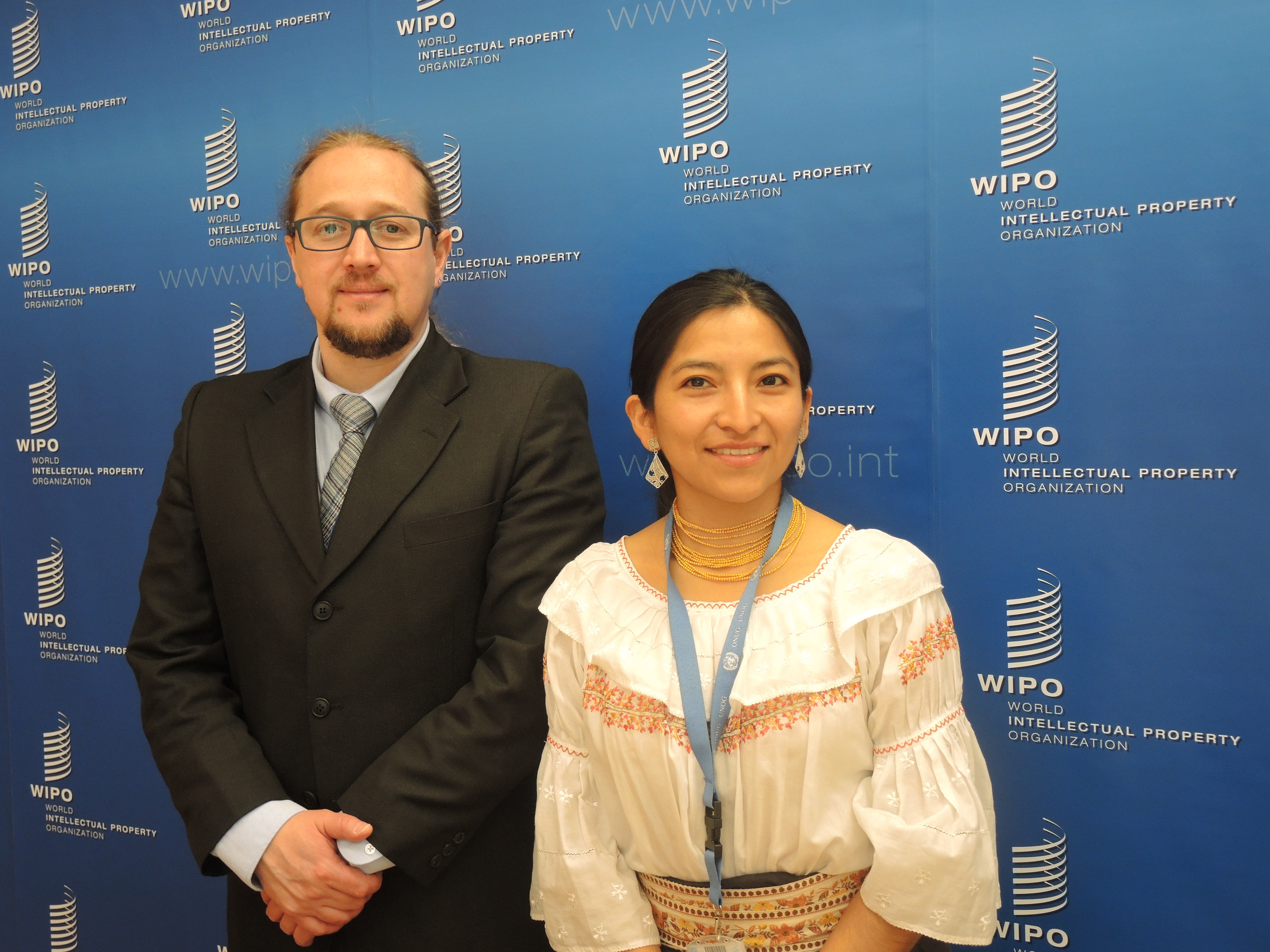
A New Model For IP: Interview With Ecuador IP Office Director Hernán Núñez Rocha

Ecuador is preparing a new intellectual property policy that aims to better suit the country's strategic development. On the occasion of the World Intellectual Property Organization General Assembly, Hernán Núñez Rocha, head of the Ecuadorian IP office sat with Intellectual Property Watch to talk about the country's work on the IP policy and its use of IP as a tool for local development. He also explained Ecuador's position on the WIPO committee on traditional knowledge.

New Geneva Delegates For Canada, Panama

New delegates have arrived to Geneva just in time for the annual Assemblies of the World Intellectual Property Organization and the World Trade Organization trade ministerial. Geneva Delegates Zoraida Rodríguez, Deputy Permanent Representative to the World Intellectual Property Organization and…

Cuba And Your Global Trademark Strategy

After 54 years, the American flag has once again been raised over the American Embassy in Cuba. What does the newfound activity in Cuba mean for your brand? Is it time to protect your trademark in Cuba? The answer from most is a hearty “yes,” writes Pam Huff.

Resisting The Law Of Greed

In 2011 in a small court in Ecuador’s Amazon jungle, a judge ordered the American oil giant Chevron to pay US$9 billion dollars in damages for pollution in the region that was caused by drilling activities in the 1970s and 1980s. The company quickly denounced landmark ruling as illegitimate. More than a year before the final ruling had been issued, Chevron had already taken steps to initiate an investor-state dispute against the Government of Ecuador under the terms of a US-Ecuador bilateral investment treaty (BIT). The company seeks to avoid paying the US$9 billion by convincing an international tribunal that the courts of Ecuador are corrupt and that the government is ultimately responsible for any environmental damage and associated health issues experienced by local residents, writes Kyla Tienhaara in Green Agenda.

Encouraging The Use Of Patent Information… Through Research Competition?

Many developing countries lack enough human resources with the necessary skills to access patent information. Although patent documents are often unintelligible, strengthening the ability to search them in databases could help reduce information asymmetries in developing countries, Luis Gil Abinader writes.

Global IP Community: Eventful Season For Career Changes

The past few months have been eventful for career changes in the international intellectual property community. Here is a look at some of the changes in governments, international organisations, NGOs/academia, private sector and law offices.

Ecuador, BRICS Moving Away From International Investment Dispute Regime, Paper Says

As part of a series of publications on investment treaties and investor-state dispute settlement, a developing country multilateral organisation released a policy brief focusing on Ecuador's experience and action against the current dispute settlement system.

Investor-State Cases Could Have Cost Cash-Strapped Argentina $80B, Paper Says

A new developing country policy brief warns against use of the investor-state dispute settlement mechanism, arguing that it has a low capacity to adapt to exceptional circumstances that can afflict developing countries.