Category Latin America/Caribbean

Olympic Games: Trademark Revenues Are High Stakes

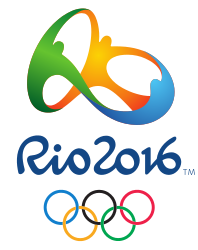
With a budget of over 2 US$ billion, the Brazilian Olympics rely heavily on commercial sponsors and licensing for revenue. Protecting the Olympic symbols is thus an imperative for the games with stringent rules on the use of those symbols and related signs. However, the fame of the event also draws covetousness from a variety of commercial actors seeking free rides, which is a dangerous endeavour, according to legal sources. Brazil adopted special rules for the occasion, while in the United States the protection is particularly stringent.

The Significance Of Uruguay’s Win Over Philip Morris International

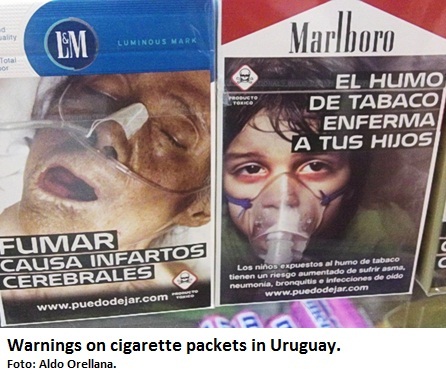
The tobacco industry’s global efforts to use bilateral and multilateral agreements to challenge the spread of tobacco control measures such as trademark-minimising plain packages were dealt a significant blow last week when the World Bank dispute settlement body dismissed a case brought by Philip Morris against the government of Uruguay.

The decision is seen a landmark for those who view the company as using test cases to continually challenge and delay public health protection measures and discourage other countries, particularly those with fewer resources, from strengthening their health regulations. Additionally, the case reasserted that trademarks are subject to government regulations and also illustrated the role that international organisations and actors can play in support of national governments defending their health measures.

Embassy In London Under Siege, IP A ‘Neo-Liberal Pillar’, Ecuador Minister Says

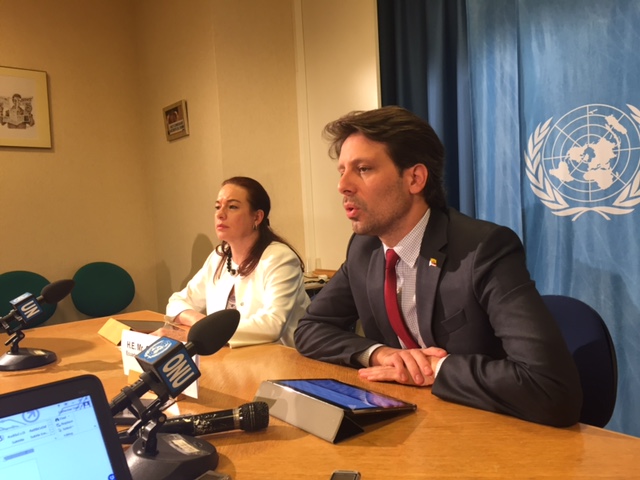
A top Ecuadoran official said today at the United Nations in Geneva that WikiLeaks founder Julian Assange’s health is deteriorating after four years confined in the Ecuadoran embassy in London, while the United Kingdom and Sweden are ignoring the findings of the UN Working Group on Arbitrary Detention which called for Assange’s release. The Ecuadoran Minister of Foreign Affairs also said Ecuador will carry on issuing compulsory licences for medicines as it sees fit, underlining the increasing role of intellectual property and the greater privatisation of knowledge.

Why We Celebrated World Intellectual Property Day 2016

Corey Salsberg writes: Yesterday was World Intellectual Property Day. April 26 is the day we celebrate and call attention to the global intellectual property (IP) system. Why do we set aside a day for the entire world to stop and reflect on a subject that, for many, may seem more at home in board rooms, lecture halls, and legislatures, than in cafes, farms, and internet blogs?

Tribute To Brazilian Legal Scholar Denis Barbosa

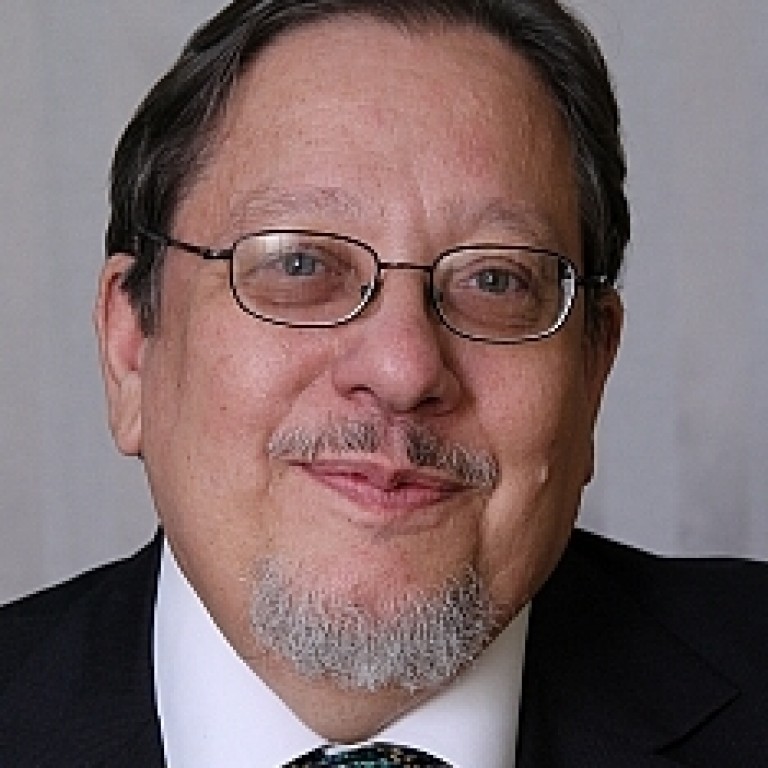
Genius, brilliant, generous, wholehearted, warm, kind, funny, original, musician, art lover, brave, restless, these are few of the most suitable and recurrent attributes of Denis Borges Barbosa, who passed away on Saturday, April 2nd. Leading IP professor, researcher and attorney in Brazil, he was also the key international face of Brazilian IP, write Allan Rocha de Souza and Cláudia Chamas.

USTR Strikes IP Deal With Honduras On Generic Cheese, Signal Piracy

The government of Honduras has committed to a work plan for protecting intellectual property rights that includes recognition of food names considered generic by the United States such as "parmesano" (parmesan), provolone and bologna, the Office of the United States Trade Representative (USTR) announced today. Other commitments include signal piracy related to cable and satellite, and a customs trademark registry.