Category Latin America/Caribbean

Fight Over .Amazon: ACTO Countries Cancel Meeting With ICANN CEO

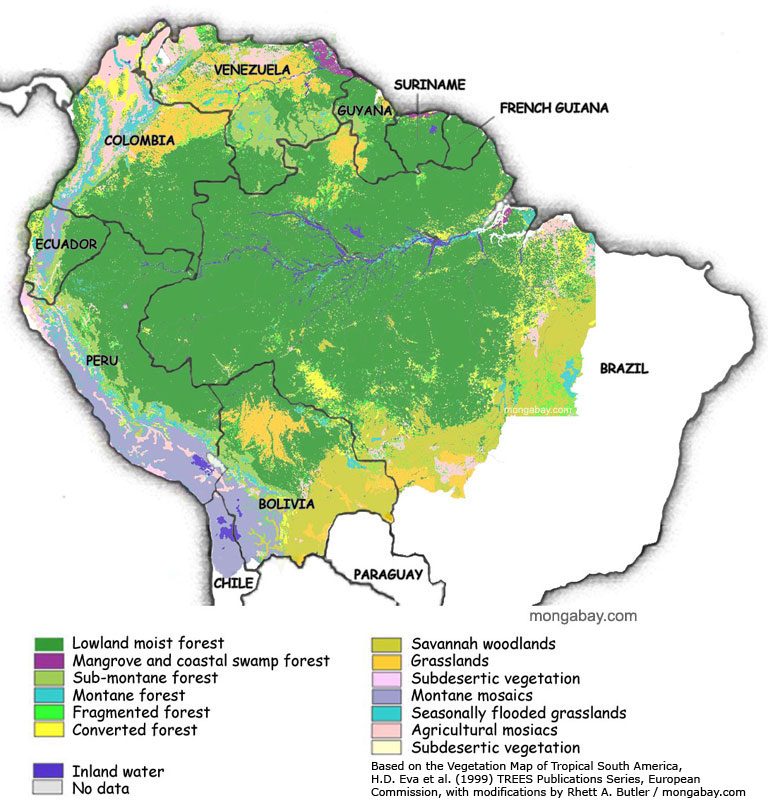
The fight over delegating the .amazon top-level domain to Amazon LLC is not over. But the effort of the Internet Corporation for Assigned Names and Numbers (ICANN) to cut a deal between the regional Amazon Cooperation Treaty Organisation (ACTO) and online retailer Amazon has failed, according to ICANN CEO Göran Marby. [updated]

ICANN Frees .Amazon Domain For Company Delegation

The Internet Corporation for Assigned Names and Numbers (ICANN) has lifted the stop on delegating the .amazon top-level domain, effectively handing it to the company over the South American region, depending on agreement with states in the Amazon region.

Research Group Identifies Over-Patenting Of Pharmaceuticals In India, Calls For Patent Reform

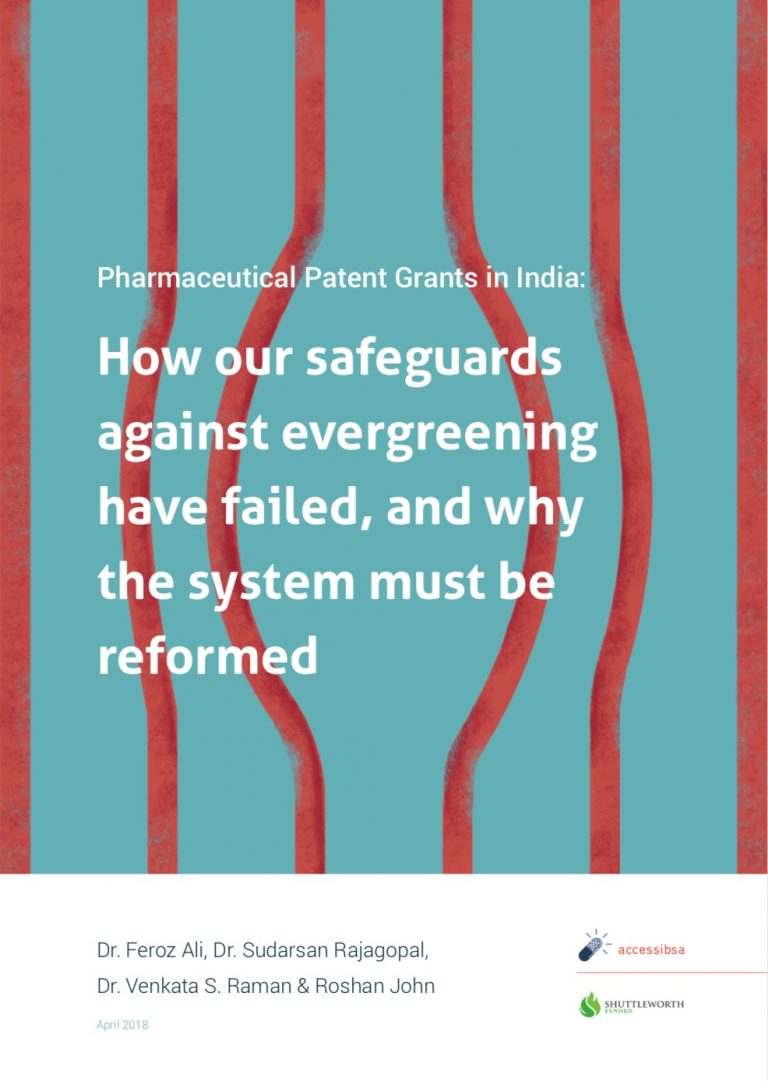
The tricontinental research group “accessibsa” has found that while the Indian Patent Office rejects 40 percent of pharmaceutical patent applications, it should be rejecting 90 percent of applications to comply with Indian patent law, according to the results of its recent study of Indian patent data.

Interview With Miguel Ángel Margáin, Director General Of The Mexican Institute Of Industrial Property

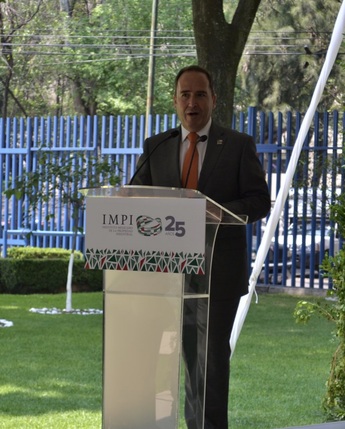
Miguel Ángel Margáin, Director General of the Mexican Institute of Industrial Property, took office in early 2013, and was in Geneva for the annual World Intellectual Property Organization General Assemblies. William New of Intellectual Property Watch sat down with him for an interview. He spoke about achievements of the office during this administration, major amendments to adhere to global treaties and changes in the NAFTA, the introduction of geographical indications, and the ascendance of IP rights in Latin America.

Interview With The President Of Brazil’s Industrial Property Institute

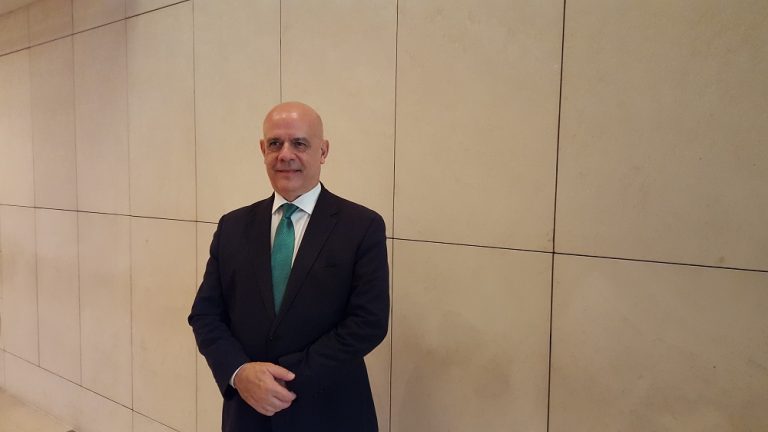
Luiz Otávio Pimentel is president of the National Institute of Industrial Property (INPI) of Brazil. In Geneva this week for the annual World Intellectual Property Organization General Assemblies he took time to sit down with Intellectual Property Watch’s William New. INPI is part of the Ministry of Industry, Foreign Trade and Services. On a breaking issue, Pimentel talked about the case in Brazil involving sofosbuvir, marketed as Sovaldi, Gilead’s effective medicine against hepatitis C that has been known for its exorbitant prices.

Brazil Signs Deal With Medicines Patent Pool To Share Patent Information

Brazil yesterday signed an agreement with the Medicines Patent Pool (MPP), through which the country will share patent information with the MPP. The Brazilian IP office joins several others in an effort to regular update of the MPP's database on patent information. Separately, high-level representatives of Latin American and Iberian countries met on the side of the annual World Intellectual Property Organization General Assemblies taking place this week.

Brazilian Supreme Court Refuses To Judge Its Biggest Case On IP And Access To Medicines, And Benefits Big Pharma With Undue Monopolies

Marcela Fogaça Vieira and Pedro Villardi write: The Brazilian Supreme Court (STF) has mysteriously cancelled the judgment of the most important case regarding intellectual property and health ever to be decided by the court. On 28 June, the date of the judgment was set for 6 September. The cancellation occurred on the eve of the judgment, something very rare in the practice of the Court. The lack of decision on the case only benefits the transnational companies awarded with hundreds of undue monopolies. Just a few days before, the President of the STF - Judge Carmem Lucia - had a meeting with Interfarma, the association of multinational pharmaceutical companies in Brazil.

New Health Ministry Of Chile Reaffirms Path To Compulsory Licence For Hepatitis C Drugs

Last week, Chilean Health Minister Emilio Santelices, appointed by President Piñera - who took office this year - rejected an attempt from company Gilead and a Big Pharma-related association of international drug makers in Chile to put down the resolution 399/2018 declaring public health justifications for the issuing of compulsory licences for sofosbuvir to treat a hepatitis C epidemic in Chile, that was issued by the previous government of Michele Bachelet, writes Luis Villarroel.

O Paradoxo Das Patentes No Brasil E Suas Implicações Para O Acesso A Medicamentos

O sistema de patentes foi supostamente projetado para permitir a recuperação do investimento em pesquisa e desenvolvimento (P&D) de um novo produto, através da venda sob exclusividade por um período de tempo. Vários estudos relacionaram preços altos de medicamentos à situação de monopólio estabelecida pelo sistema de patentes e outros direitos de monopólio (como a exclusividade de dados). É bastante estabelecido que a existência de uma patente pode levar a preços altos devido à condição de mercado em que um produtor pode operar com exclusividade. Vários estudos relacionaram preços elevados de medicamentos à situação de monopólio estabelecida pelo sistema de patentes e outros direitos de monopólio (como a exclusividade de dados). Na ausência de concorrência, um produtor pode cobrar praticamente qualquer preço pelo seu produto. A concorrência, portanto, pode promover uma redução significativa de preços e aumentar o acesso.

Patent Backlogs Fuel Efforts To Extend Pharma Patent Terms In Thailand And Brazil, AIDS Activists Say

For a variety of reasons, Thailand and Brazil have huge backlogs of pharmaceutical patent applications. The delay in patent examinations is creating pressure on the countries to extend patent protection terms to the detriment of access to affordable medicines, AIDS organisations say.