Category Asia/Pacific

NGOs Detail Changes For Public Health In RCEP Asian Trade Pact
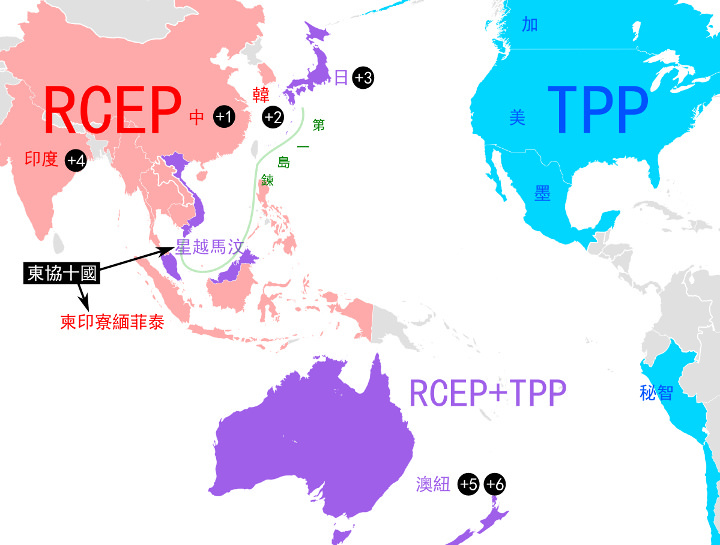
Concerns continue to grow among civil society about provisions in a major trade agreement in the Asian region. Of specific worry is the intellectual property chapter containing in particular a data exclusivity clause, and the linkage between the investment chapter and the IP chapter.
Developing Countries Weigh Restarting Talks For TRIPS Amendment On Biological Resources

NEW DELHI, India -- Biopiracy is ongoing in many developing countries, and as long as there are no international obligations for patent applicants to disclose the origin of the genetic resources or traditional knowledge they use, the issue will endure, according to speakers at a recent conference in New Delhi. The broken conversation at the World Trade Organization needs to be rekindled so that an international regime of protection is set up, they said.

Situation With IP Rights In Russia Continues To Deteriorate

The situation with IP rights in Russia is steadily deteriorating, which is mainly due to the recently imposed restrictions for foreign biopharmaceutical companies to participate in public procurement procedures in Russia, the encouragement of parallel imports, as well as the increased consumption of pirated software, according to recent statements of the Russian Ministry of Industry and Trade and local analysts in the field of IP protection.

The Changing Perspective Of Well-Known Trademarks In India

The innovative advertisements of famous trademarks we come across remind us of the image they have created in our minds and the quality of the respective products or services they reflect. Millions are spent by the owners of such marks to build their reputation and maintain their popularity in this competitive globalised world.

Intellectual Property: A Very Short Introduction, New From Oxford University Press

In Intellectual Property: A Very Short Introduction, by Siva Vaidhyanathan, readers are introduced to the basics of intellectual property, framed in a way that illustrates how intellectual property both shapes and is shaped by larger economic, political and social contexts.

Paint Medical Patents Green Or Improve Efficacy

Danny Friedmann writes: When the holder of a medical patent finds herself on the patent cliff, staring into the abyss of a patentless and incomeless future, she will become very ingenious in applying for new uses, new pathways of delivery and new doses of the known substance. Painting a new layer of green over the patent that must give the impression of a new invention. It is the duty of the legislator to limit this kind of behavior if it stifles access to generic medicines. How can the interests of patent holders and patients be reconciled?

IP Scholars Warn About Stringent Copyright Rules In Asian RCEP Agreement

As negotiations take place this week in Japan for a free trade agreement covering the Asia-Pacific region, a group of intellectual property scholars is calling for the public interest to be clearly considered in the copyright rules of the future agreement.

Hepatitis C Patent Challenges In India, Argentina To Allow Generic Production

Resistance to high prices for hepatitis C drugs is ongoing as five new challenges against patents have been filed in India and Argentina, according to sources. Those challenges aim at allowing the production and distribution of affordable generic versions of new hepatitis C medicines (direct-acting antivirals).

New Policies On Technology Transfer In China: Granting More Autonomy To Universities

According to a recent circular released by the Chinese ministries of education, and science and technology, universities established by the state have autonomy in technology transfer (see the original news here). Unless the scientific and technological achievements concern national security, national interests, and major public interests, it is unnecessary to report to the ministry of finance or management department. All income gained from the technology transfer belongs to the universities.

Year Ahead: A Rather Speculative Year In Global Trade

An interesting year lies ahead for trade policymakers. With US President Donald Trump sticking to his “America First” announcement pulling back from the Trans-Pacific Partnership right away, a new trade (world) order might be in the making. In every crisis, there is opportunity, Argentinian Trade Minister Susana Malcora said in Davos during the January World Economic Forum (WEF) where the business elite otherwise traded concerns at the beginning of an unpredictable year 2017.