Category Africa

Uganda Parliament Passes Bill To Promote Use Of Genetically Modified Materials, Biotech
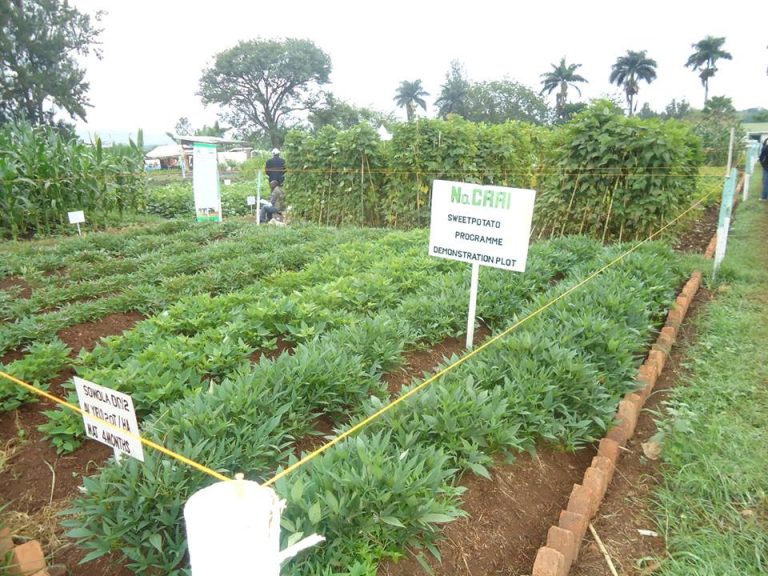
KAMPALA, Uganda -- Several genetically modified crops that are more resilient to drought, flooding, saline or acid soils and temperature extremes resulting from climate change are already being researched in Uganda and are in advanced stages. The enactment of an enabling law, the Uganda National Biosafety Bill 2017, is intended to enhance the development of modern biotechnology.
Cancer Group Recommendations To Ensure Medicines Access In South Africa Draft IP Policy

A US cancer group has provided a series of recommendations to the South African government on ways to improve the country’s draft national intellectual property policy, including greater transparency, voluntary licensing, and the use of compulsory licences.

ARIPO, Japan Government To Train 1,000 People In IP Systems In Africa

The government of Japan, in partnership with the African Region Intellectual Property Organisation (ARIPO), has begun implementation of a project meant to train 1,000 people across Africa in intellectual property systems. The World Intellectual Property Organization also plays a role.

Did Monsanto Write Malawi’s Seed Policy?

Tim Wise writes: In late July, a short article was published in a Malawian newspaper: “Press Release on Organization of Seed Fairs.” Issued by the Ministry of Agriculture, Irrigation, and Water Development, in conjunction with the Seed Traders Association of Malawi, the short statement advised the public that “only quality certified seed suppliers registered with Government to produce and/or market seed should be allowed to display seed at such events.” The release was signed by Bright Kumwembe for the Agriculture Ministry.

I received this news in the United States as I prepared a research trip to Malawi, and I was shocked. Malawi is in the final stages of a multi-year effort to reform its seed policy and laws, and the largest point of contention at this point is the failure of the draft policy to recognize and protect so-called “farmers’ rights” to save, exchange, and sell the seeds they grow on their farms.

South Africa Government Completes IP Policy, Plans To Publish It This Month

CAPE TOWN -- The Department of Trade and Industry (DTI) in South Africa has confirmed that the long-awaited national draft IP policy will be published in the Government Gazette this month. This comes after Cabinet approved the draft IP policy at its latest meeting last week.

Without Understanding What Traditional Knowledge Is, We Cannot Utilize It Appropriately

KAMPALA, Uganda -- For a long time, traditional knowledge and traditional cultural expressions were timidly recognised as intellectual efforts worthy of legal protection. Of recent, indigenous peoples, local communities, and some governments have demanded the recognition of traditional forms of creativity and innovation as protectable intellectual property.

Lessons From South Africa: Protecting Non-Expressive Uses In Copyright Reform

Matthew Sag and Sean Flynn write: This week, the South African Parliament began accepting comments on its pending Bill proposing to amend the South African Copyright Act to align it with the digital age. We and other experts and civil society organizations submitted comments praising many of the Bill’s provisions and proposing that it adopt an “open” fair use right. Here we focus on one major reason to adopt an open fair use right – to authorize so-called non-expressive uses of works. We conclude with some reflections on how international law could help in this regard.

World’s Most Effective HIV Drug Rolled Out In Africa In Generic Version

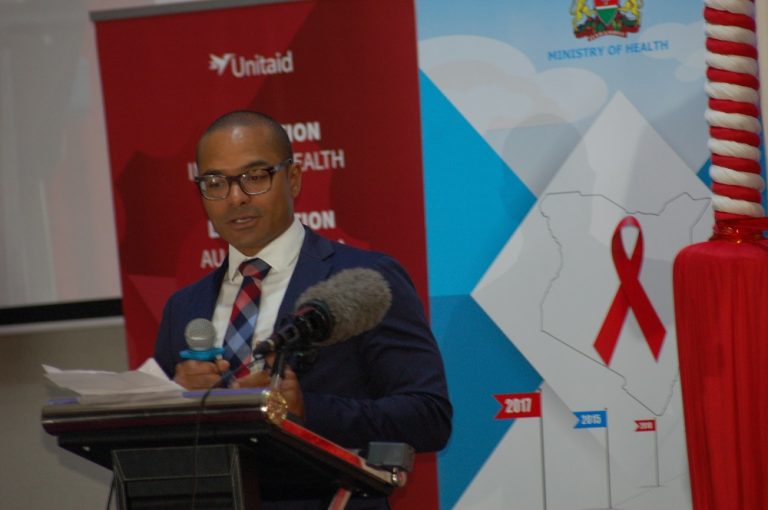
NAIROBI, Kenya - A generic version of dolutegravir (DTG), the drug of choice for the last two years for people living with HIV in high-income countries, is now available in Africa. On 28 June, the government of Kenya and drug pricing and innovation mechanism Unitaid unveiled the new first-line drug in an effort to accelerate access to better antiretroviral (ARV) drugs for her people living with HIV. It becomes the first country in Africa to introduce the generic version of drug.