Category Africa

New Local Pharmaceutical Plant Expected To Enhance Access To Drugs In Kenya

Kenya’s pharmaceutical products manufacturing sector is hopeful it will experience significant growth after the Square Pharmaceuticals ltd (SPL) of Bangladesh commissioned a US$ 75 million plant in the East African nation this week. [A reminder: this story, like all of our stories, is completely free for almost every developing country in the world. Just sign up for a free password here!]

South Africa’s Push For Knowledge-Based Economy Through IP

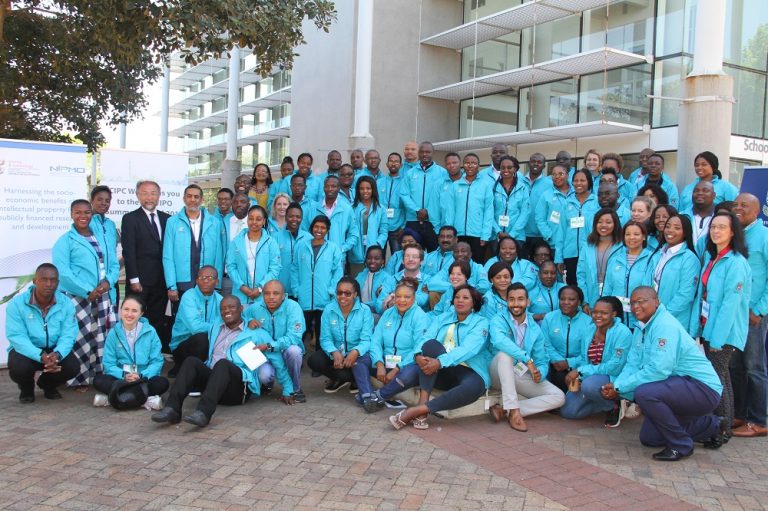
CAPE TOWN, South Africa – “If you want to create a knowledge-based economy and be part of it, be players not observers. There isn’t a stronger backbone than having an understanding of what IP is.” This statement was made by Mmboneni Muofhe, Department of Science and Technology (DST) deputy director general for technology and innovation, at the ninth Intellectual Property Summer School held at the University of the Western Cape (UWC) in December. The meeting brought together students, lawyers, scientists and different professionals drawn from Africa and other parts of the developing world for a ten-day intensive programme in intellectual property.

Uganda Parliament Passes Bill To Promote Use Of Genetically Modified Materials, Biotech

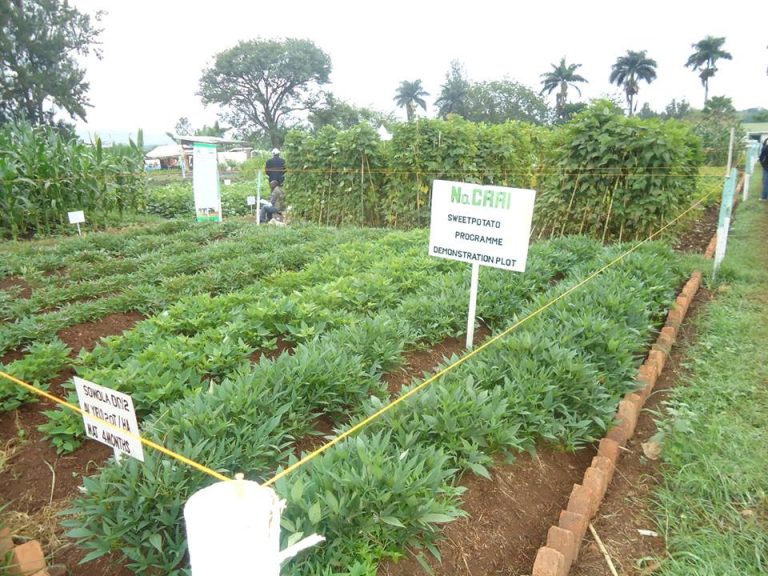
KAMPALA, Uganda -- Several genetically modified crops that are more resilient to drought, flooding, saline or acid soils and temperature extremes resulting from climate change are already being researched in Uganda and are in advanced stages. The enactment of an enabling law, the Uganda National Biosafety Bill 2017, is intended to enhance the development of modern biotechnology.

Did Monsanto Write Malawi’s Seed Policy?

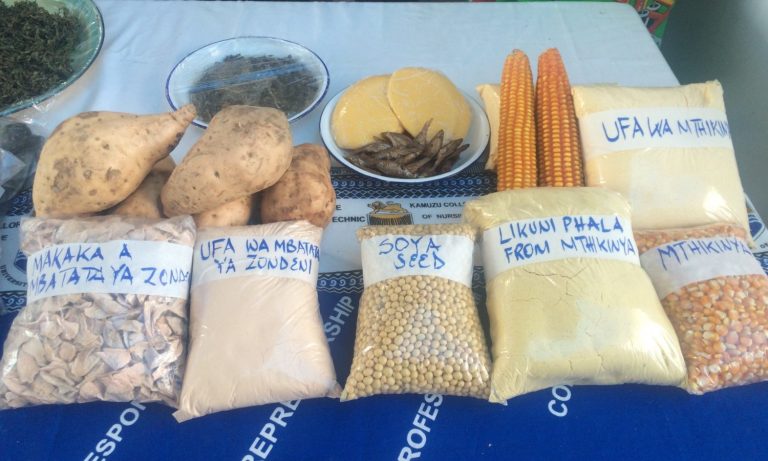
Tim Wise writes: In late July, a short article was published in a Malawian newspaper: “Press Release on Organization of Seed Fairs.” Issued by the Ministry of Agriculture, Irrigation, and Water Development, in conjunction with the Seed Traders Association of Malawi, the short statement advised the public that “only quality certified seed suppliers registered with Government to produce and/or market seed should be allowed to display seed at such events.” The release was signed by Bright Kumwembe for the Agriculture Ministry.

I received this news in the United States as I prepared a research trip to Malawi, and I was shocked. Malawi is in the final stages of a multi-year effort to reform its seed policy and laws, and the largest point of contention at this point is the failure of the draft policy to recognize and protect so-called “farmers’ rights” to save, exchange, and sell the seeds they grow on their farms.