Category Bilateral/Regional Negotiations

WTO Panels Look At Partnerships, Digital Trade

Among the many topics at last week’s World Trade Organization Public Forum were panels on o partnerships and on digital trade. This article takes a brief look at two of the panels that touched on intellectual property rights.

IP-Watch/Yale FOIA Case Decided: USTR Can Keep TPP Texts Secret, But Maybe Not Communications With Industry Advisors

As government negotiators dig into perhaps the final round of the Trans-Pacific Partnership trade negotiations this week in Atlanta, they may take comfort in knowing that nothing they are doing has to be shared with the public they represent until years after it is over. That's because a federal district court in Manhattan decided this week, in a closely watched Freedom of Information Act case brought by Intellectual Property Watch, that draft texts of the trade deal can be kept secret. The court did, however, cast doubt on the government's reasons for also keeping its communications with industry lobbyists from the public eye.

Resisting The Law Of Greed

In 2011 in a small court in Ecuador’s Amazon jungle, a judge ordered the American oil giant Chevron to pay US$9 billion dollars in damages for pollution in the region that was caused by drilling activities in the 1970s and 1980s. The company quickly denounced landmark ruling as illegitimate. More than a year before the final ruling had been issued, Chevron had already taken steps to initiate an investor-state dispute against the Government of Ecuador under the terms of a US-Ecuador bilateral investment treaty (BIT). The company seeks to avoid paying the US$9 billion by convincing an international tribunal that the courts of Ecuador are corrupt and that the government is ultimately responsible for any environmental damage and associated health issues experienced by local residents, writes Kyla Tienhaara in Green Agenda.

Five Reasons Why TPP Countries Should Unite To Oppose The US Pharmaceutical IP Agenda

Failure to reach agreement over expanded intellectual property (IP) protections for medicines has proven to be a stumbling block to completion of the 12-country Trans Pacific Partnership negotiations. As expected, the US is continuing to pressure negotiating partners to adopt broader and longer monopoly protections for medicines. But the risks for their health systems are very high – and will be much higher if they don’t stick together in rejecting the US demands.

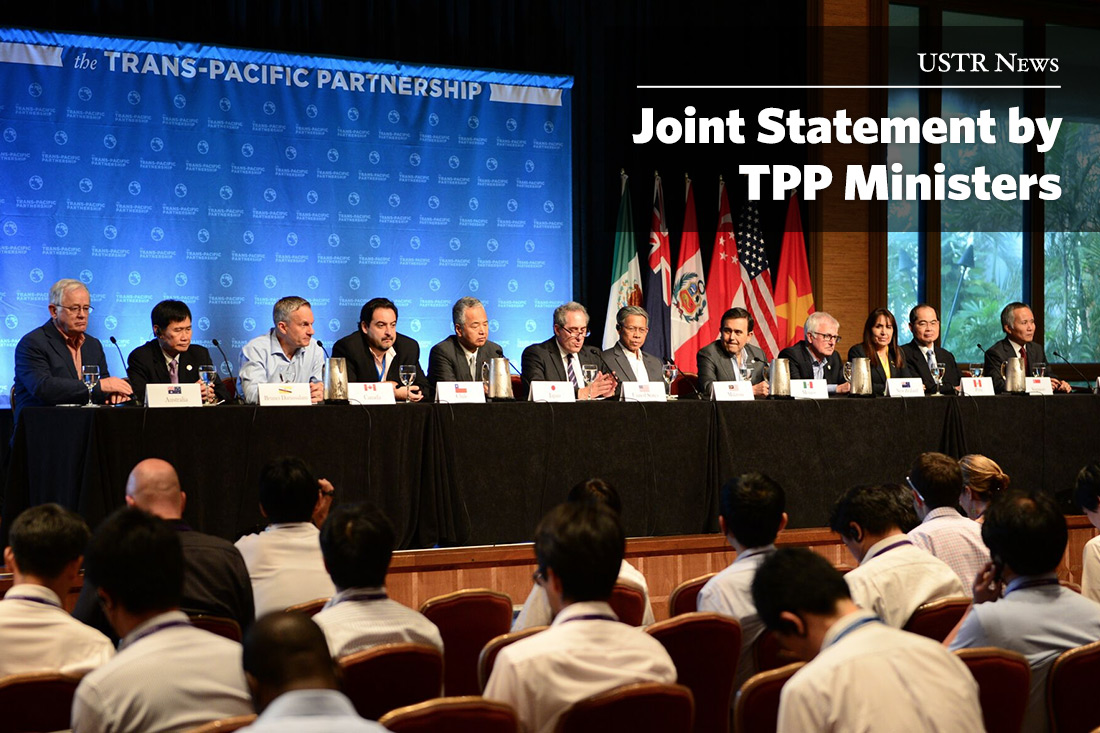
No Deal Overall, But TPP Ministers Agreed Some IPR Issues In Hawaii, US Says

While the ministers of the 12 countries negotiating the Trans-Pacific Partnership (TPP) acknowledged they are still far apart on certain issues such as dairy, there were some areas of agreement in this week's negotiation in Hawaii, they said. Some of them appear to have been related to intellectual property rights, with particular mention of geographical indications (GIs).