Category Bilateral/Regional Negotiations

The TPP’s Reckless Proposals For Damages Will Have Negative Impact On Future Reform Of IPR Regimes

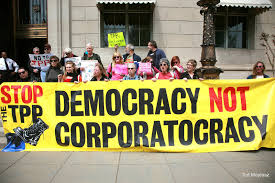
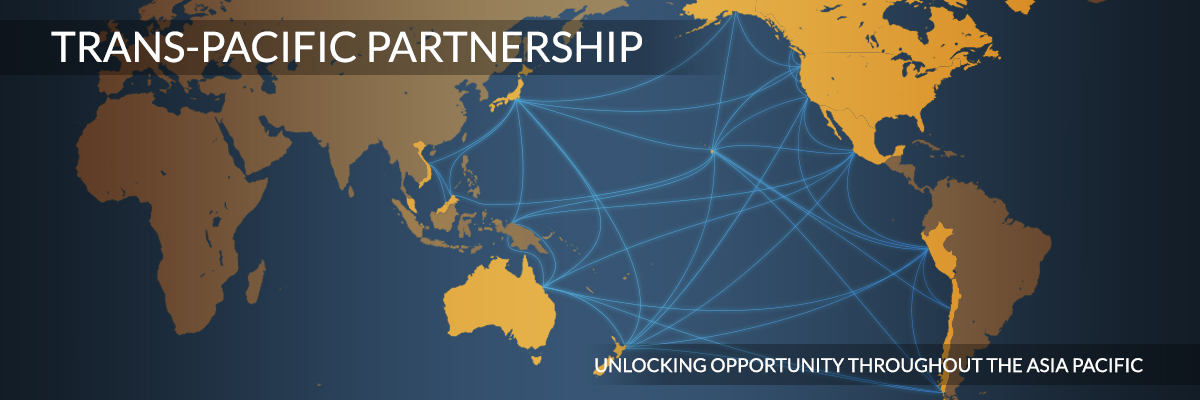
James Love writes: This week negotiators from a dozen countries are meeting to finalize the rules for the Trans Pacific Partnership (TPP) trade agreement. When or if concluded, this massive regional trade agreement will set new standards for the grant of property rights in knowledge, and the enforcement of those rights.

The TPP chapter on intellectual property covers all intellectual property types included in Part II of the WTO's TRIPS agreement, plus some others, including not only patents, copyrights and trademarks, but also "undisclosed information", test data for the registration of drugs, industrial designs, layout-designs of integrated circuits. The rules in the TPP are intended by the United States to become global norms, effectively replacing TRIPS.

While there are plenty of issues in the TPP IP Chapter, this note only addresses one set of issues -- those relating to the remedies for the infringement of intellectual property rights. The remedies include such topics as injunctions, damages, and the seizure or destruction of infringing goods.
Decision Time On Biologics Exclusivity: Eight Years Is No Compromise

Burcu Kilic and Courtney Pine write: As the Trans-Pacific Partnership (TPP) negotiations approach their endgame, biologics exclusivity is still considered “one of the most difficult outstanding issues in the negotiation.”[2] Pharmaceutical companies seek longer data and marketing exclusivities to further delay market entry of cost-saving biosimilar drugs. Data exclusivity prevents follow-on pharmaceutical developers from relying on originators’ test data submitted for marketing approval while seeking such approval for its own product. The World Trade Organization’s (WTO) Agreement on Trade-Related Aspects of Intellectual Property Rights (TRIPS) requires some protection against unfair competition for this sort of data, but it does not require countries to adopt rules conveying exclusive rights over it in the same way as it does regarding patents.[3] Currently, the US provides 12 years of exclusivity for new biological products under the Biologics Price Competition and Innovation Act (BPCIA).[4] The provision providing 12 years exclusivity was buried inside the 20,000-page healthcare law, The Patient Protection and Affordable Care Act. A robust debate over what would be an appropriate exclusivity period, if any, was overshadowed by other controversial aspects of the bill commonly referred to as Obamacare.

TISA Stocktaking Meeting Reveals There Is Still Ground To Cover

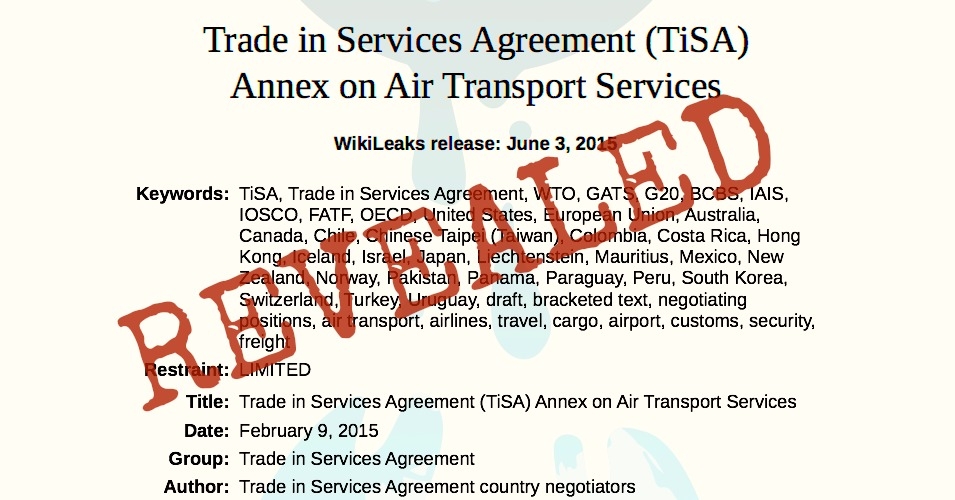
The ambassadors for the Trade in Services Agreement (TISA) have endorsed a deadline of notifying any additional new annexes by 31 July, and submitting completed offers by 15 September. This is the result of the most recent meeting of negotiators of the 25 TISA parties, according to a spokesperson for the Australian Department of Foreign Affairs and Trade. Australia hosted the TISA round from July 6-10 in Geneva.

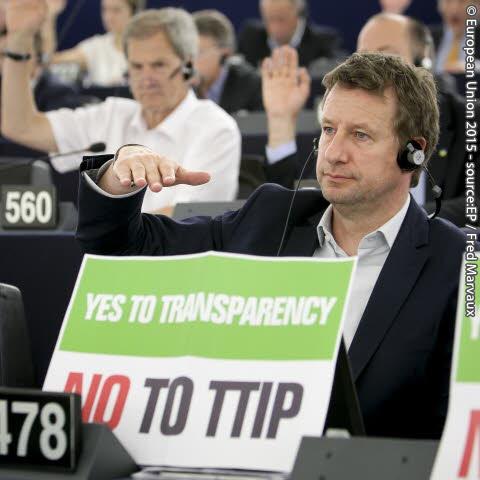
European Parliament Decides In Favour Of TTIP Mandate And “New ISDS”

The European Parliament today voted in favour of its own mandate for the negotiations of the Transatlantic Trade and Investment Partnership, a broad free trade agreement between its 28 member states and the United States. With 436 yes versus 241 no votes (32 abstentions), the Parliament adopted a resolution that also gives green light to the hotly debated investor-state dispute settlement (ISDS), albeit a new version of it.

US Shifts Stance On Drug Pricing In Pacific Trade Pact Talks, Document Reveals

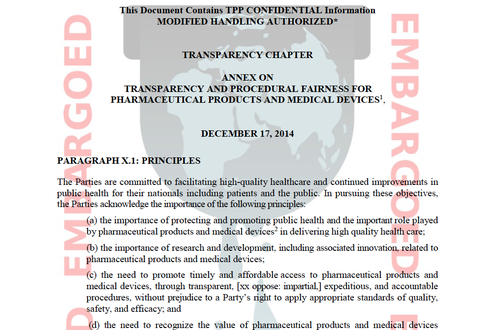
From the New York Times: WASHINGTON — Facing resistance from its Pacific trading partners, the Obama administration is no longer demanding protection for pharmaceutical prices under the 12-nation Trans-Pacific Partnership, according to a newly leaked “transparency” annex of the proposed trade accord.

But American negotiators are still pressing participating governments to open up the process that sets reimbursement rates for drugs and medical devices. Public health professionals, generic drugmakers and activists opposed to the trade deal, which is still being negotiated, contend that it will empower big pharmaceutical firms to command higher reimbursement rates in the United States and abroad, at the expense of consumers.

Tumultuous Session In European Parliament Ends In Postponement Of TTIP Debate

After a tumultuous early morning session today in Strasbourg, a slim majority of 183 (against 181) members of the European Parliament decided to postpone mere debate of the Parliament's report on the Transatlantic Trade and Investment Partnership (TTIP). The vote on the report prepared by Bernd Lange, head of the International Trade Committee (S&D), had already been postponed yesterday by the President of the Parliament, Martin Schulz.

Climate Change Headlines G7; Merkel Commits To Conclude TTIP During Obama’s Term

MUNICH -- The agreement of the heads of states of the United States, Canada, Japan, United Kingdom, France, Italy and Germany to reduce global warning to less than two degrees made the biggest headlines of the G7 Summit on Elmau Castle, Germany, in the Bavarian Alps. Also agreed were commitments on trade and on public health, including research and development for neglected diseases.

Confidential USTR Emails Show Close Industry Involvement In TPP Negotiations

While a full range of stakeholders would be affected by the outcome of the Trans-Pacific Partnership (TPP) agreement under secret negotiation by the United States and a dozen trading partners, corporate representatives have had a special seat at the negotiating table, as shown by hundreds of pages of confidential emails from the US Trade Representative’s office obtained by Intellectual Property Watch. The emails give a rare and fascinating perspective on how policy is developed in the trade office.

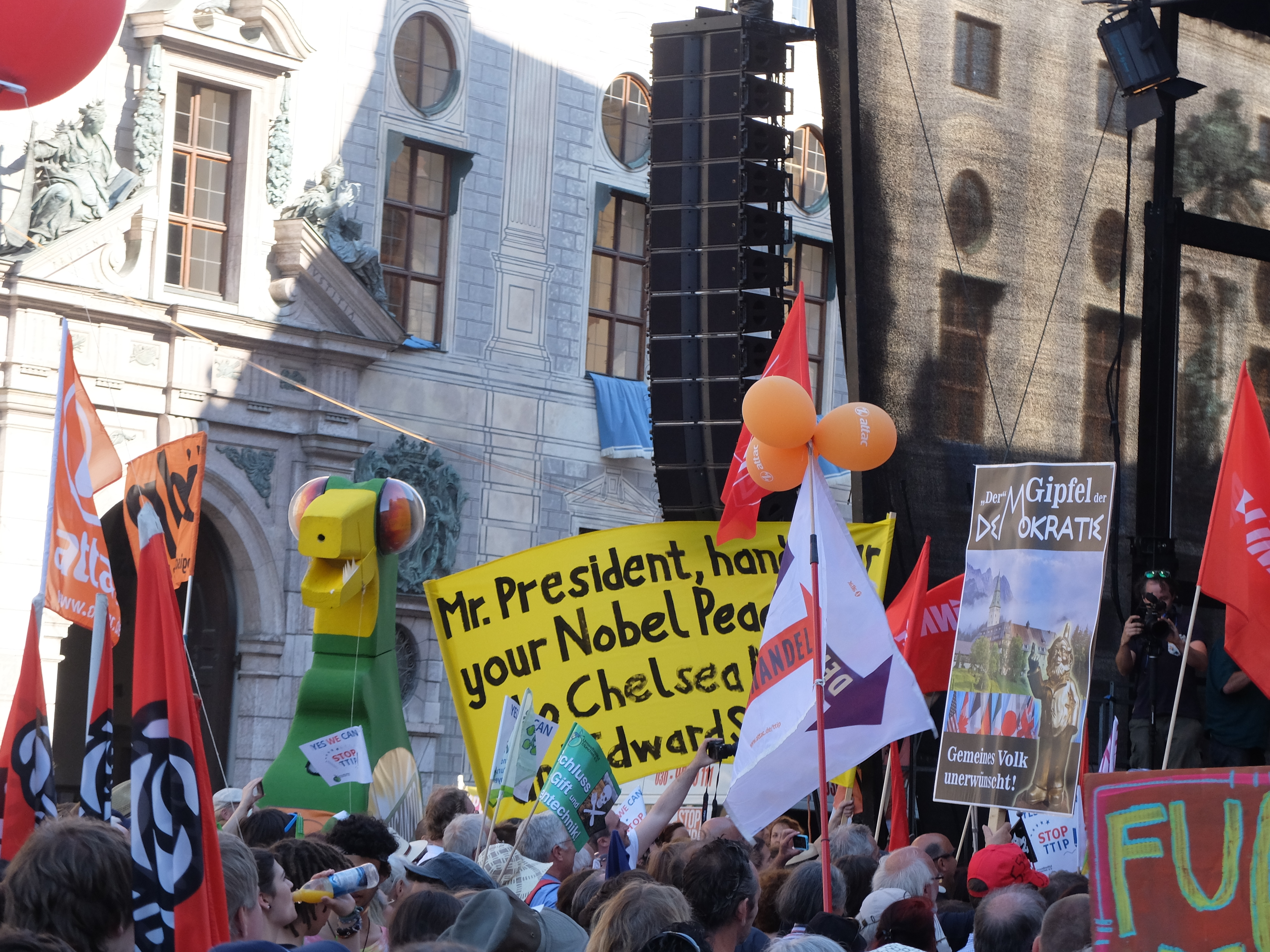
Alternative Summit Offers Ideas For Trade Agreements, G7, Amid 40,000 Protesters

MUNICH -- Just days before leaders of the Group of 7 (G7) industrialised countries gather in the well-guarded Bavarian Castle Elmau, a broad coalition of organisations invited free trade critics to an International Summit for Alternatives in Munich. Speaking there, Jean Ziegler, well-known former UN rapporteur for the right to food, shrugged off the possible effects of the G7 Summit.