Category Bilateral/Regional Negotiations

Global Health In The Glare In G7 Final Resolutions; Trade Deals Promised For 2016

Reform of the WHO, support for the Contingency Fund for Emergency to enable swift initial responses by the WHO, and a special R&D and innovation chapter in the G7 Ise-Shima Vision for Global Health that does not include the word intellectual property are some of the notables after the G7 Summit closed today in Japan. Counting pages, Global Health and lessons from the recent Ebola and Zika outbreaks did receive the biggest attention. But the G7 would not be its old usual without considerable warnings and some concrete proposals how to fight global terrorism and violent extremism.

G7, In Japan, Put Their Heads Together Over Crises

Eight ministerial meetings have prepared a fat stack of paper, the “sherpas” have nearly concluded their work, and civil society once more has passed its own resolution on how they propose to tackle the most daunting global problems. Now it's time for the G7 leaders' roundtables – and the photo ops in Ise-Shima, Japan. For two days, the heads of state of Canada, France, Germany, Italy, Japan, the United Kingdom and the United States will talk on trade, foreign policy, climate change and energy. And maybe some digital, R&D and intellectual property issues.

Geographical Indications In The TTIP: Faites Vos Jeux

Ever heard of Törkölypálinka? It is a Hungarian grape marc spirit and one of approximately 200 geographical origins listed by the European Commission negotiators of the Transatlantic Trade and Investment Partnership (TTIP). In their newly published proposals, the EU negotiators laid out their ideas on GI protection in the deal, and point to an earlier EU-US agreement with regard to GI protection of wines and spirits. But they also acknowledge the need for considerable bridging between the two systems. GI protection is expected to be one of the highly controversial issues in the “end game” of TTIP.

Special Report: India Rocked By Report Of Secret Assurance To US Industry On IP

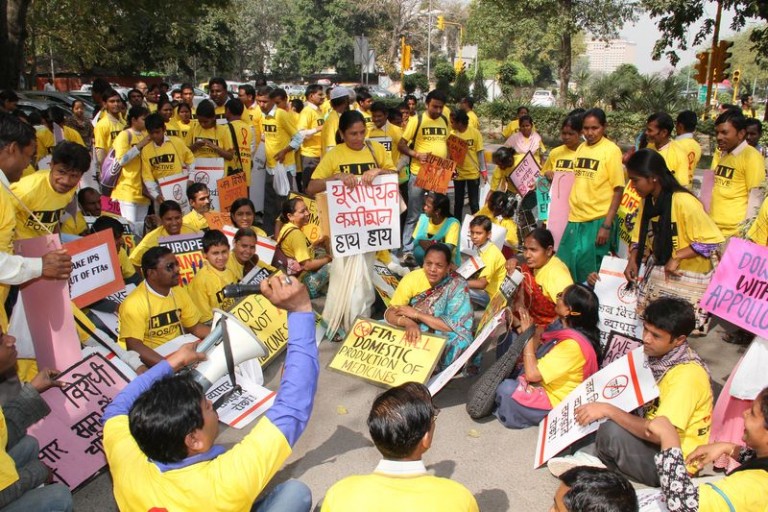
That the Indian government has been under pressure from the United States to change its patent regime is no secret among those who follow the public discourse on intellectual property rights. Now, a new controversy about India’s alleged private assurance to the US-India Business Council (USIBC) and other lobby groups that it would not invoke compulsory licensing for commercial purposes seeks to add fuel to fiery speculation about a shift in India’s policy on IPR.

USTR Strikes IP Deal With Honduras On Generic Cheese, Signal Piracy

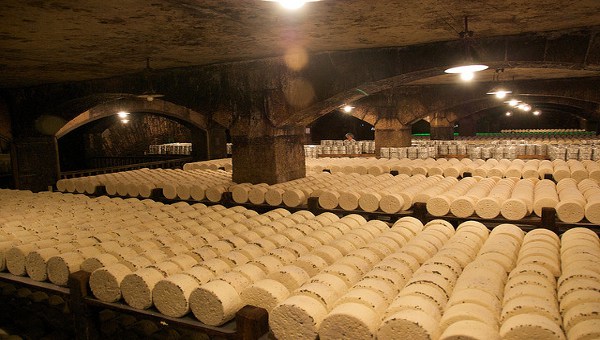
The government of Honduras has committed to a work plan for protecting intellectual property rights that includes recognition of food names considered generic by the United States such as "parmesano" (parmesan), provolone and bologna, the Office of the United States Trade Representative (USTR) announced today. Other commitments include signal piracy related to cable and satellite, and a customs trademark registry.