Category Traditional and Indigenous Knowledge

Guide To This Week’s Annual WIPO General Assemblies
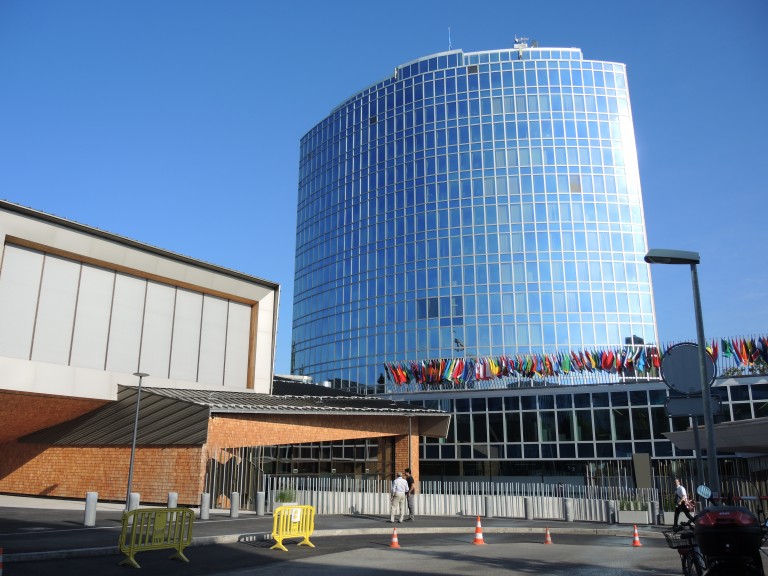
The annual UN World Intellectual Property Organization General Assemblies kick off this week for ten days during which delegates will have to find consensus on the budget for the next biennium, 2018/2019. Also on the agenda is the potential renewal of, and a proposed work programme for, the committee on genetic resources and traditional knowledge. WIPO delegates will also decide if they want to convene a high-level final negotiation for a design law treaty, and provide guidance on the work of the WIPO committee on copyright. A decision on which countries should host the next WIPO field offices has also been left to the General Assembly.
ARIPO, Japan Government To Train 1,000 People In IP Systems In Africa

The government of Japan, in partnership with the African Region Intellectual Property Organisation (ARIPO), has begun implementation of a project meant to train 1,000 people across Africa in intellectual property systems. The World Intellectual Property Organization also plays a role.

US Lobby Group Fights China’s Inclusion Of Generic Food Names In EU GI Deal

China and the European Union appear to be on track to complete a deal on geographical indications that could include protection of some 100 products each from the EU and China. Comments have been received on the proposed list and are undergoing translation. Among them, a United States lobby group said the list for China to protect unfairly includes several generic food names that should not belong solely to the EU.

Deadline Next Week For Swedish Sida Training On Genetic Resources And IP Regulation

Applications are due by 4 September for an all-expenses-paid Swedish International Development Cooperation Agency (Sida) Advanced International Training Programme aimed at building capacity in intellectual property and genetic resources in support of innovation.

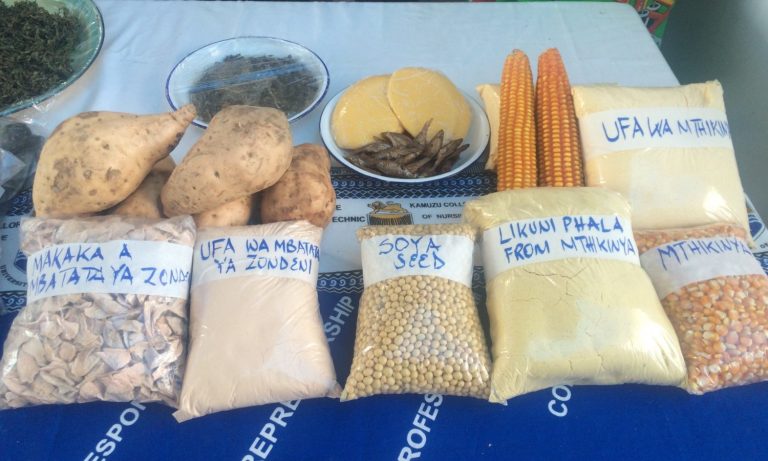
Did Monsanto Write Malawi’s Seed Policy?

Tim Wise writes: In late July, a short article was published in a Malawian newspaper: “Press Release on Organization of Seed Fairs.” Issued by the Ministry of Agriculture, Irrigation, and Water Development, in conjunction with the Seed Traders Association of Malawi, the short statement advised the public that “only quality certified seed suppliers registered with Government to produce and/or market seed should be allowed to display seed at such events.” The release was signed by Bright Kumwembe for the Agriculture Ministry.

I received this news in the United States as I prepared a research trip to Malawi, and I was shocked. Malawi is in the final stages of a multi-year effort to reform its seed policy and laws, and the largest point of contention at this point is the failure of the draft policy to recognize and protect so-called “farmers’ rights” to save, exchange, and sell the seeds they grow on their farms.

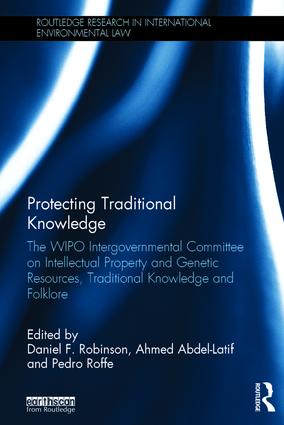
New Book Puts WIPO Traditional Knowledge Committee In Perspective

A new book with contributions from key thinkers on the subject details the long history and intensive negotiations of the World Intellectual Property Organization committee on genetic resources, traditional knowledge and folklore, making a case for conclusion of binding international agreements in these areas as a way to close gaps in intellectual property policy.

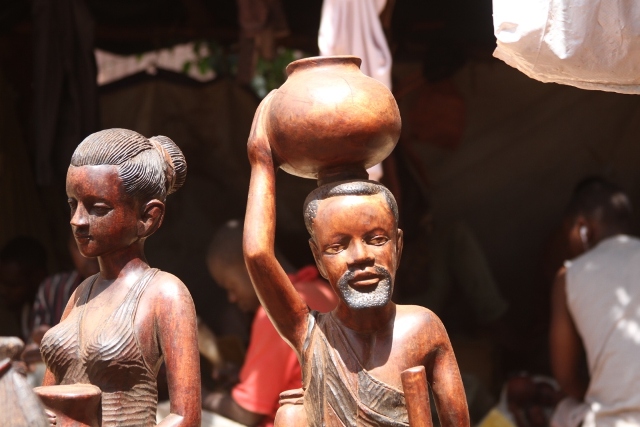
Without Understanding What Traditional Knowledge Is, We Cannot Utilize It Appropriately

KAMPALA, Uganda -- For a long time, traditional knowledge and traditional cultural expressions were timidly recognised as intellectual efforts worthy of legal protection. Of recent, indigenous peoples, local communities, and some governments have demanded the recognition of traditional forms of creativity and innovation as protectable intellectual property.

EPO Will Not Allow Patents On Plants, Animals From Biological Processes

The European Patent Office today issued a clarification about the patenting of plant and animal products, putting it in line with a European Commission clarification that such products obtained through a biological breeding process should not be patentable.

Launch Of Open Access Book On Geographical Indications In Asia-Pacific

A new book launched this week in Geneva offers a unique compilation of the challenges and promises of the protection of geographical indications (GIs) with a particular focus on countries in the Asia-Pacific region.

Access And Benefit-Sharing (ABS) Initiative To Continue Cooperation With WIPO

The Access and Benefit Sharing Capacity Development Initiative (ABS Initiative) and the World Intellectual Property Organization will continue their cooperation and produce “further good events,” it became known during a recent event organised by WIPO. The initiative relates to genetic resources.